
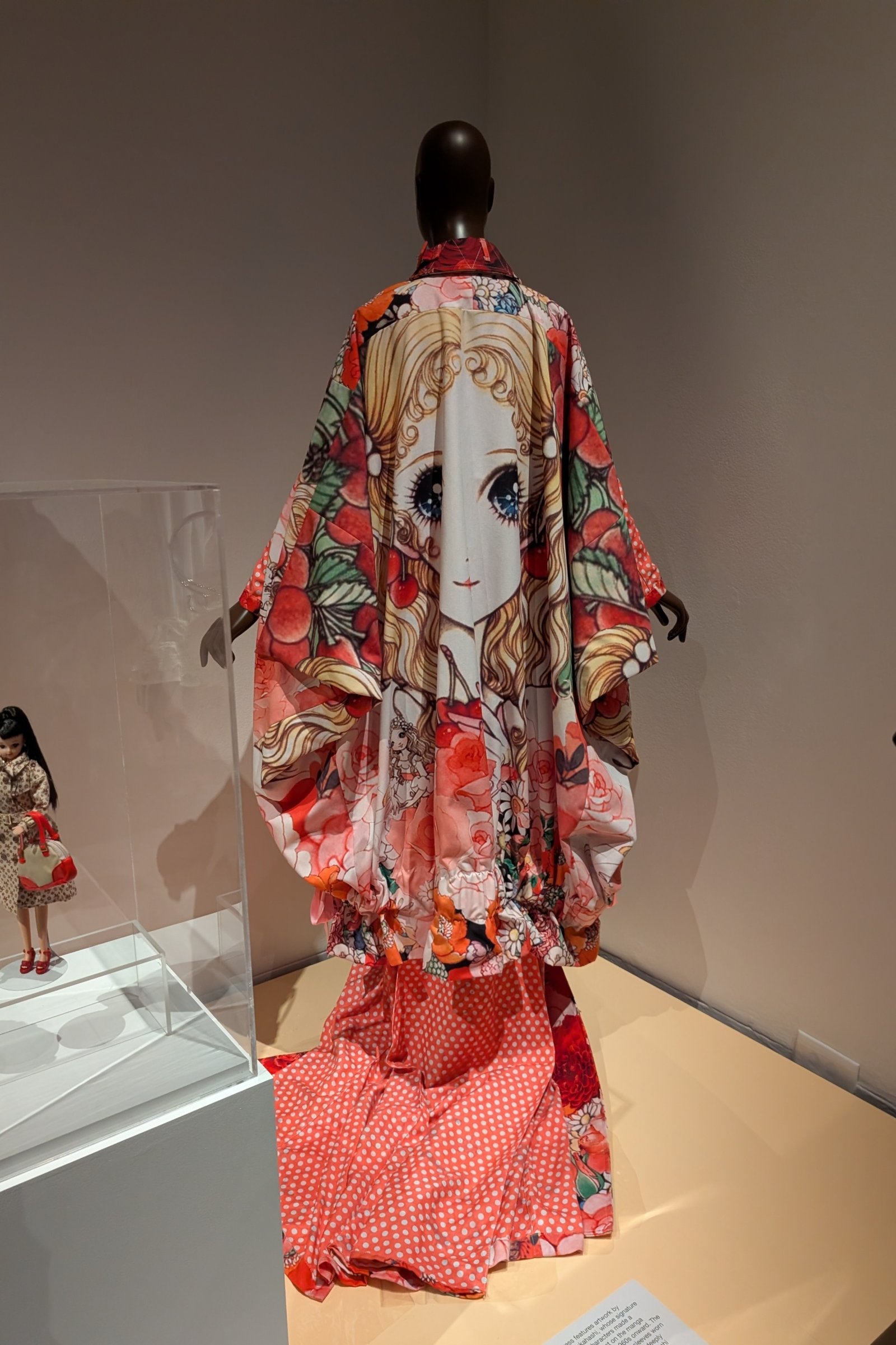
Dolly Birds, Prada, and Japanese Lolitas: From Biba to Comme des Garçons
In this section of Doll Dressing at The Museum at FIT, the doll moves decisively from accessory to identity. The 1960s “dolly bird” performed doll-like femininity through her own clothes, makeup, pose, and carefully constructed youthful appearance, turning a surface image into a distinctly modern form of self-fashioning.
The Museum at FIT places this look within its “All Dolled Up” gallery, which traces the “living doll” through the 1920s flapper, the 1960s dolly bird, and the Japanese Lolita subculture of the 21st century. Across more than 170 objects, Doll Dressing demonstrates that dolls have been enduring muses, design prototypes, and vehicles for personal identity and rebellion.
The “Dolly Bird” Paradox
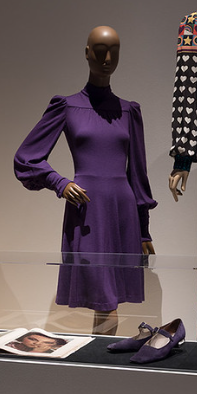
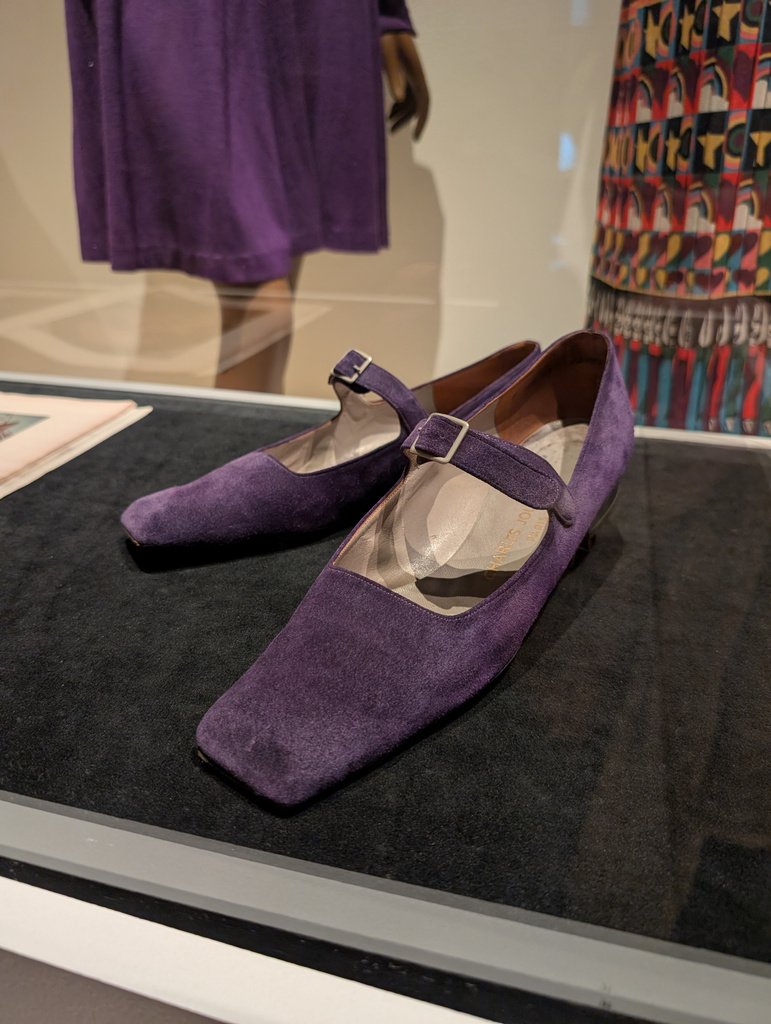
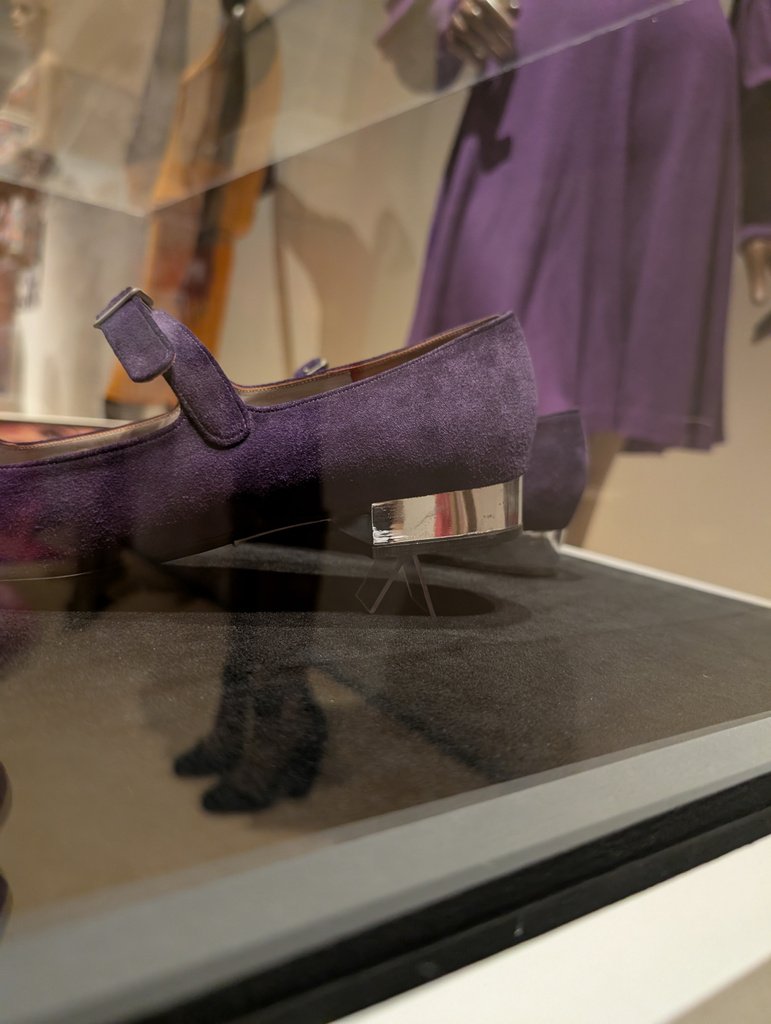
The British expression “dolly bird” carried a patronizing tone, with media presenting young women as passive and decorative. However, the exhibition offers a deeper reading. The dolly bird’s exaggerated femininity: rosy cheeks, long lashes, short dresses, coloured tights, and Mary Jane shoes: asserted youth, mobility, sexual self-definition, and participation in Swinging London. Looking “sweet” did not mean being submissive.
A focal point of the “All Dolled Up” gallery is the 1960s cultural icon Twiggy, who famously bridged the gap between model and miniature with the first-ever celebrity mannequin. The exhibition features a contemporary replica of this historic mannequin, dressed in a garment from her very own label, Twiggy London Girl.
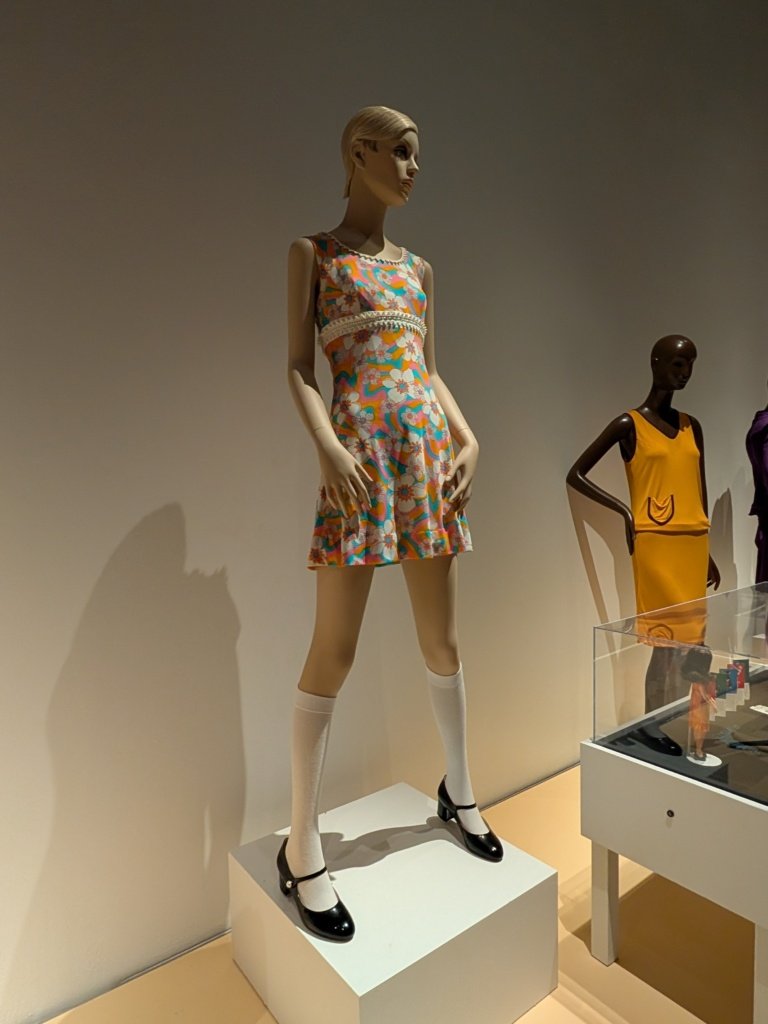
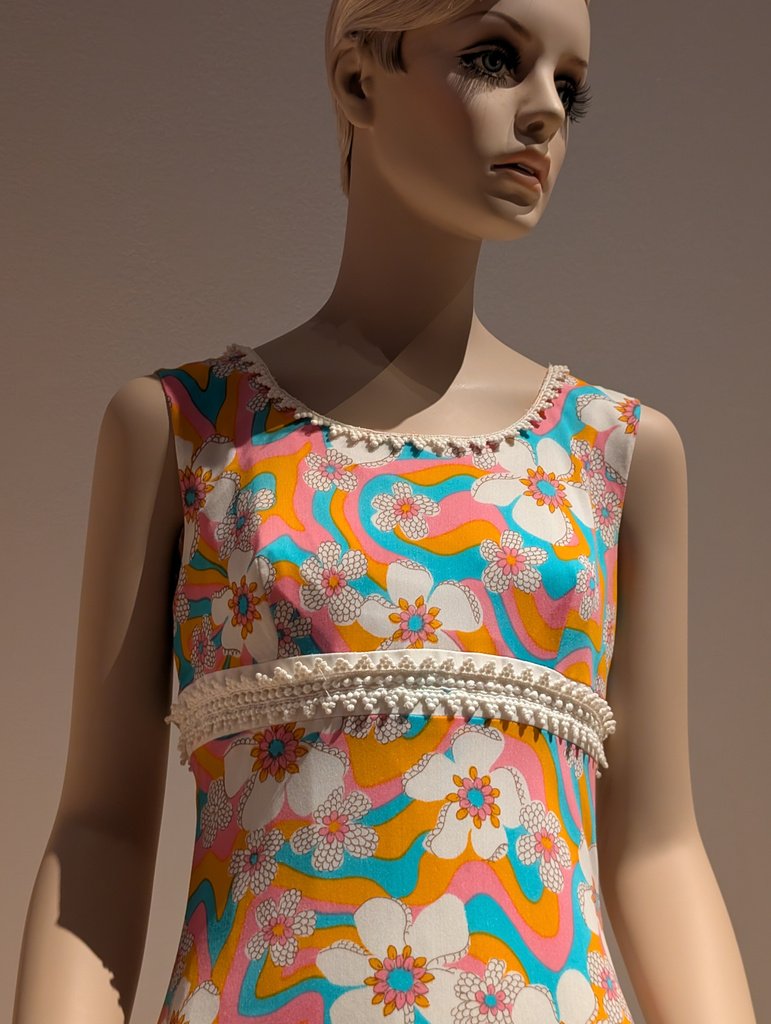
Twiggy’s presence, alongside the 1920s flapper, the dolly bird, and the 21st-century Lolita—underscores the section’s core message: doll-inspired aesthetics have repeatedly been leveraged by women as vehicles for empowerment, rebellion, and self-definition, transforming an ideal often trivialized by society into a platform for genuine autonomy.
Biba, Mary Janes, and Prada
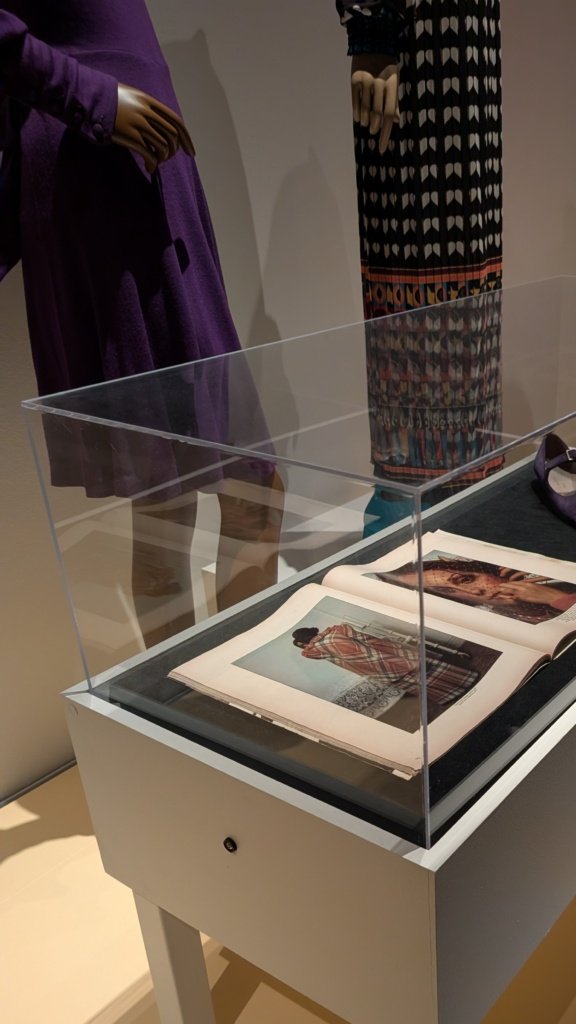
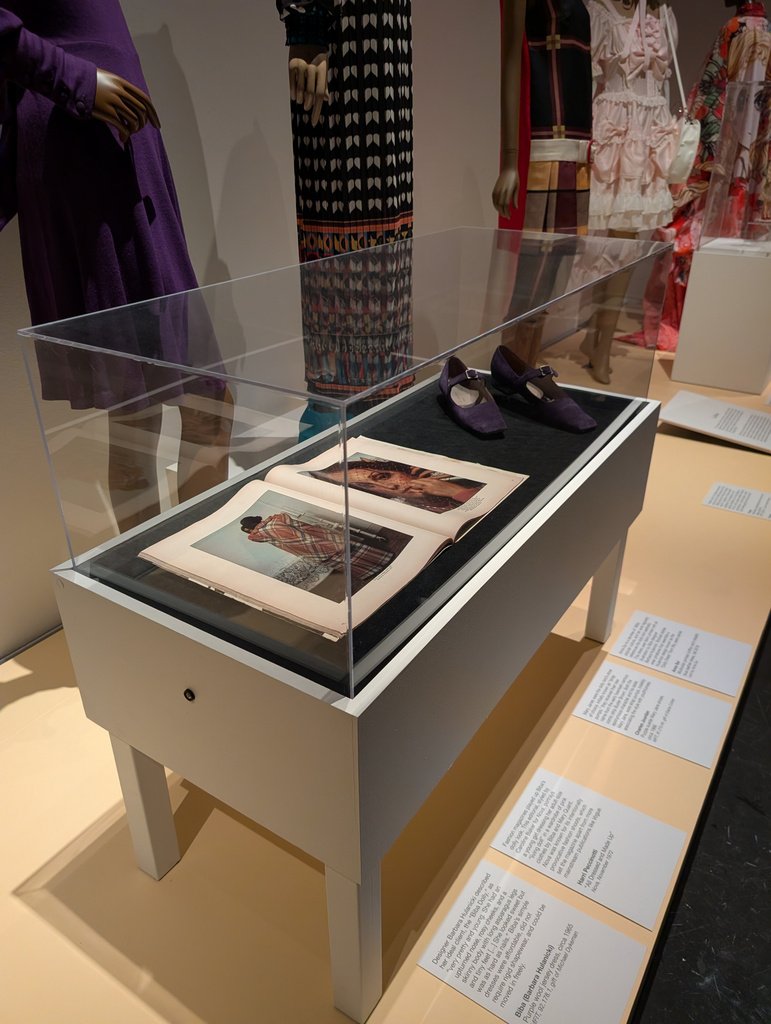
Barbara Hulanicki’s Biba epitomized this style. The ideal “Biba Dolly” looked delicate, yet Hulanicki famously stated that the Biba girl “looked sweet but was as hard as nails.”
A Lasting Runway Language
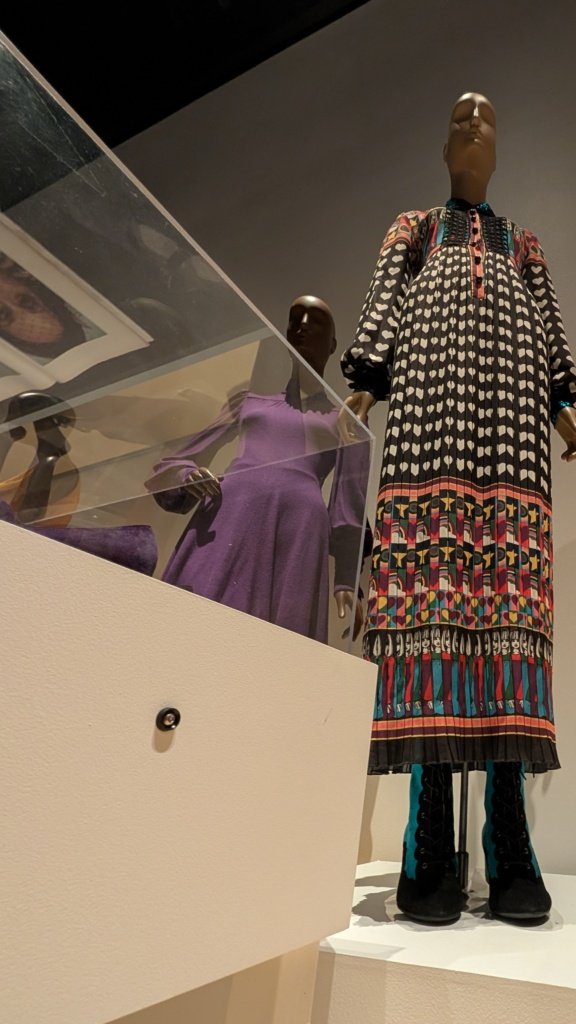
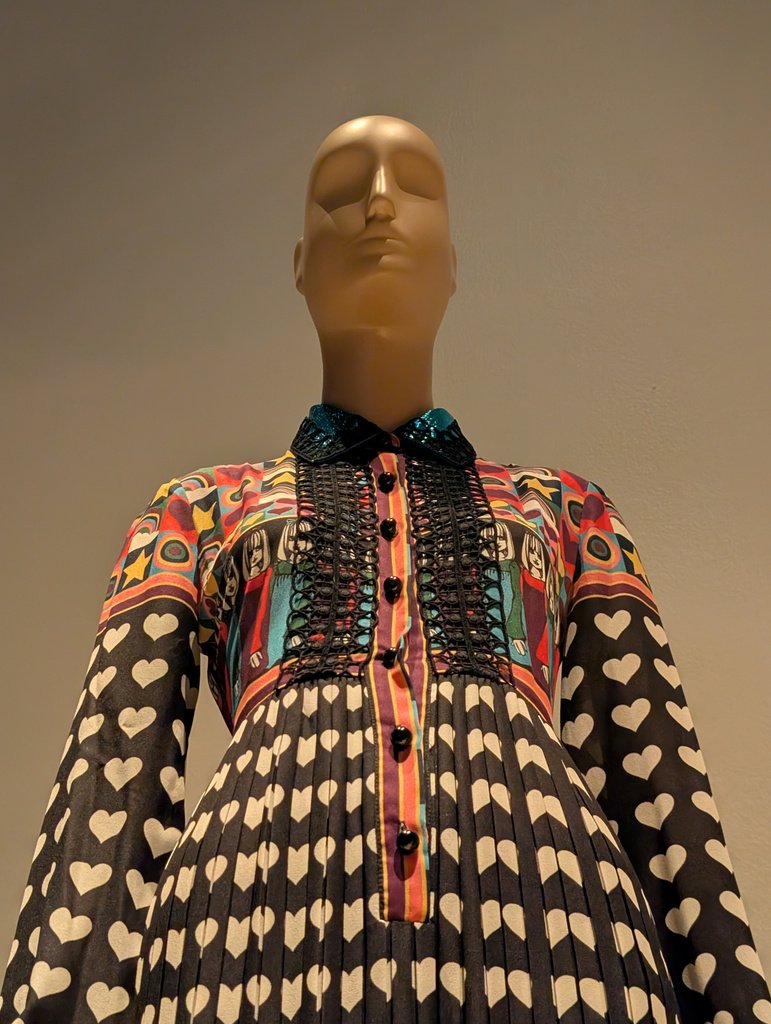
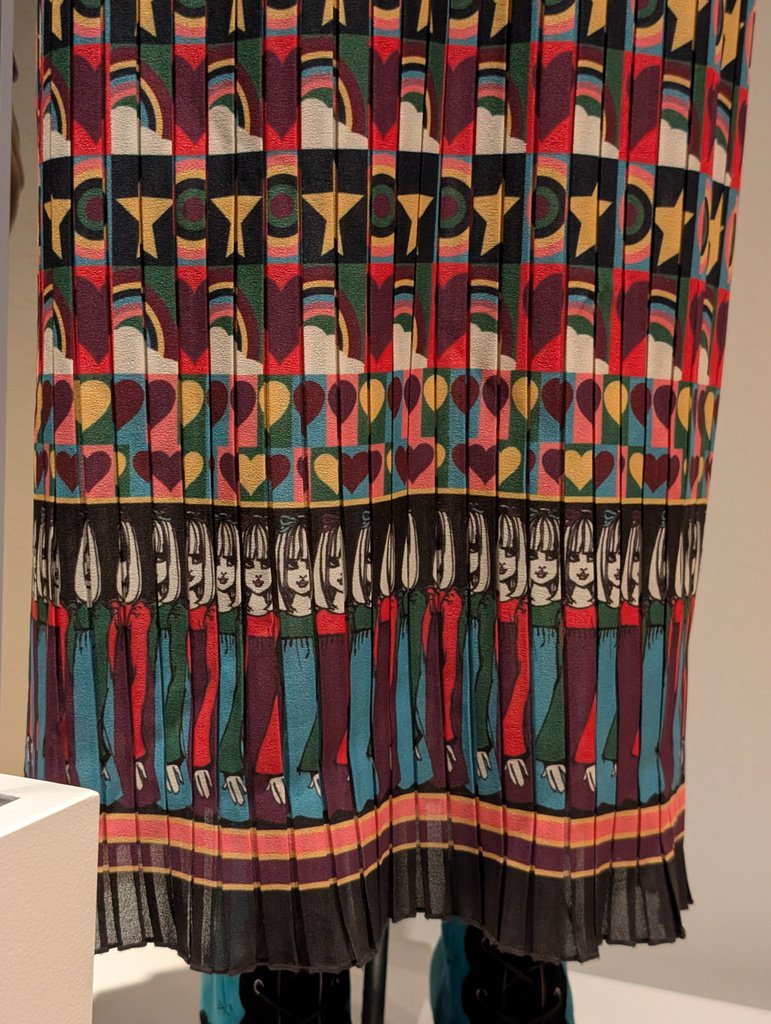
The dolly bird and Lolita aesthetics continue to fuel high fashion. Anna Sui’s Fall 2016 collection cited Biba’s prints, while brands like Marc Jacobs, Moschino, and Loewe show that doll references remain a vital, expressive runway language.
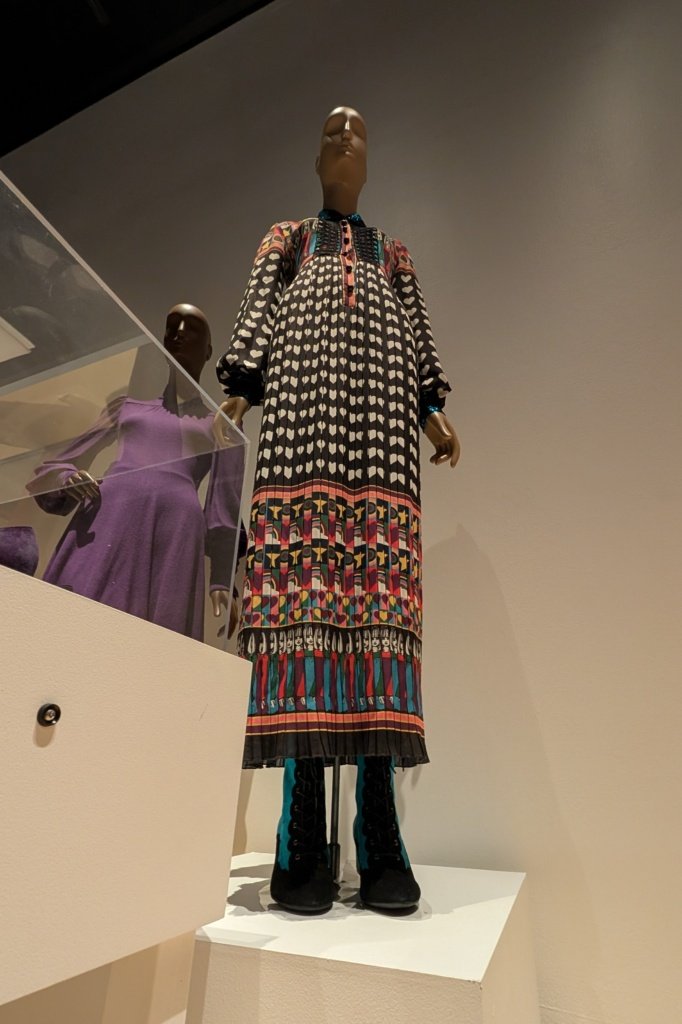
Prada and the Echoes of Innocence
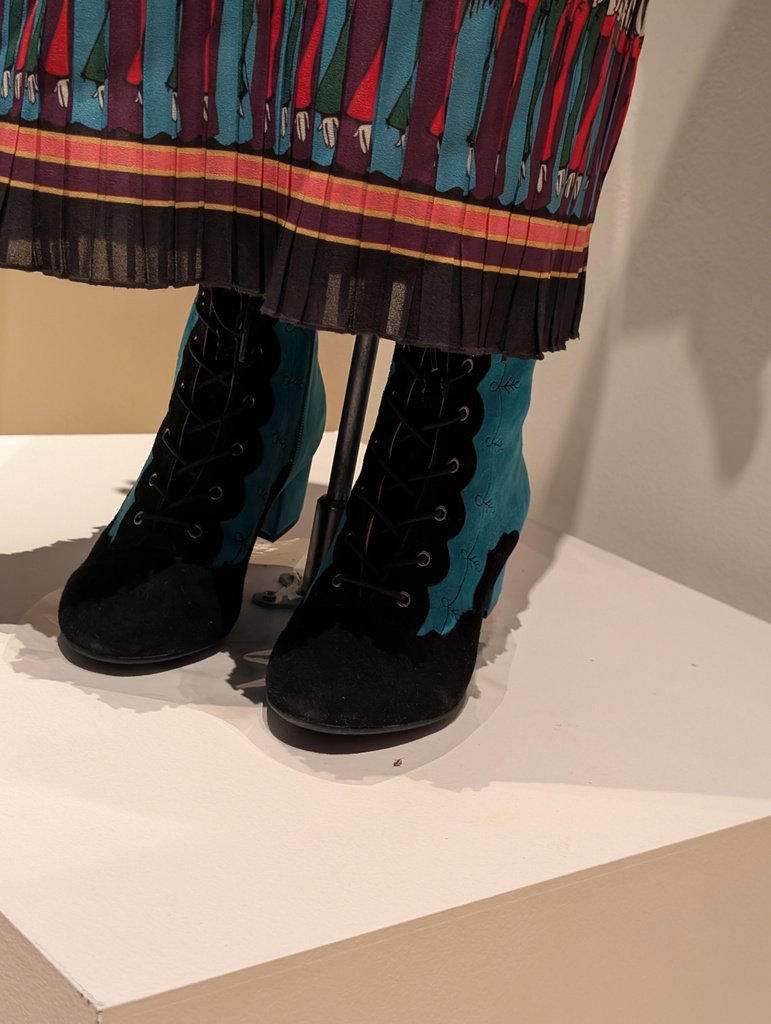
Fashion critic Tim Blanks observed echoes of 1920s flappers and 1960s dolly birds in Miuccia Prada’s Fall 2011 collection. Miuccia Prada explained her concept:
“The collection is not really childish, but rather innocent… it’s fun, with a cartoon effect. Women should look… more innocent, rather than making girls look like women.”
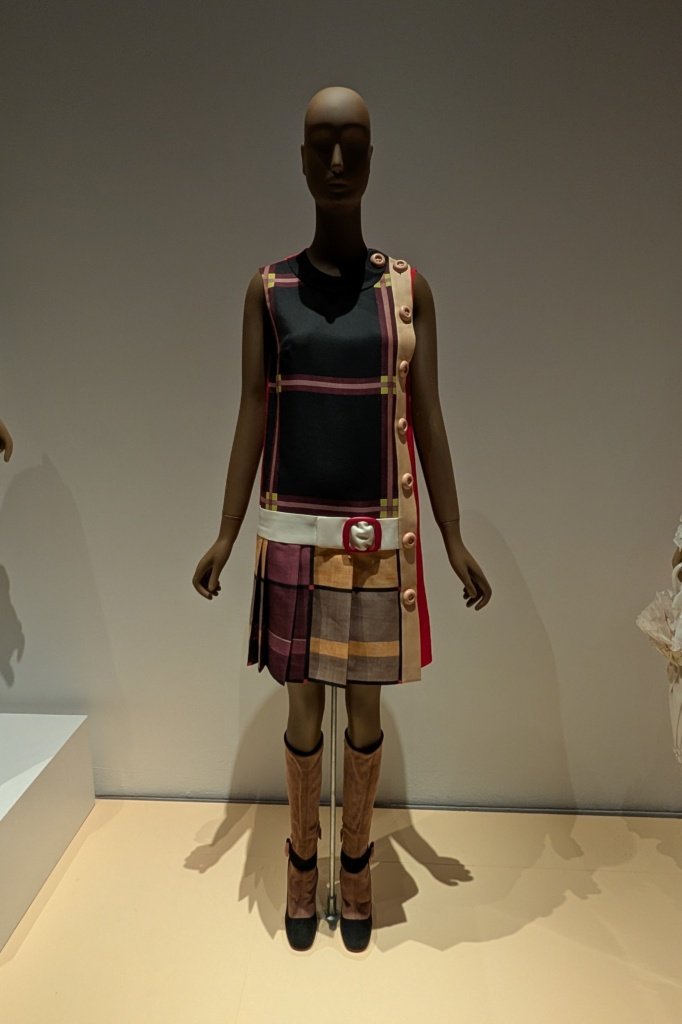
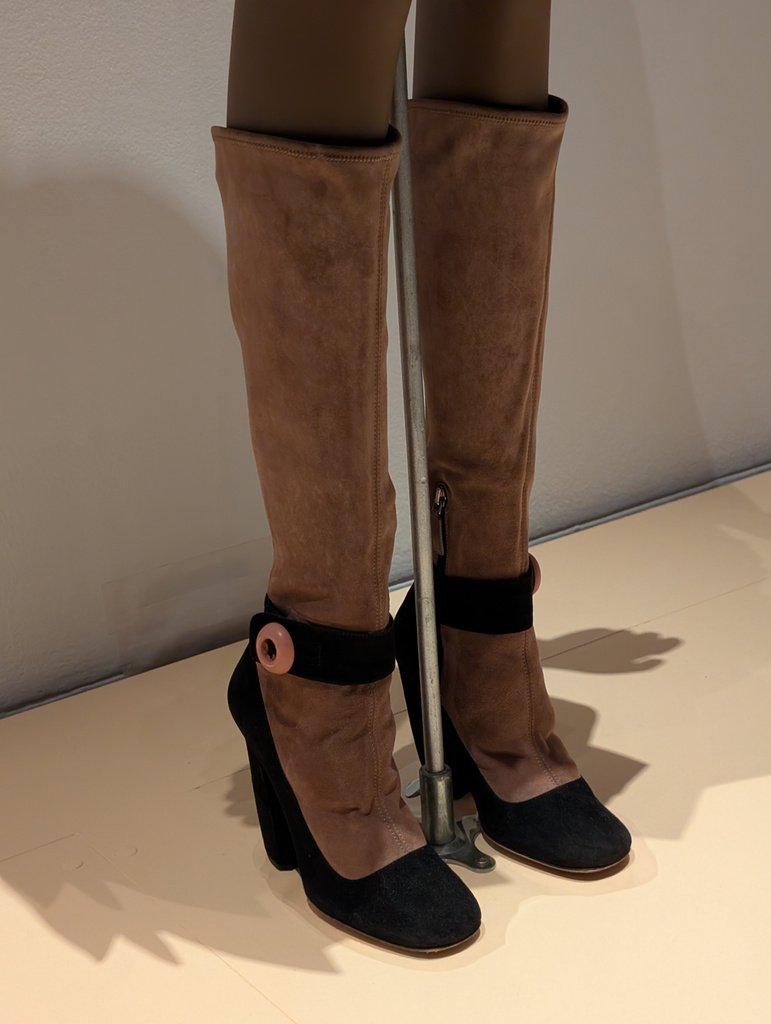
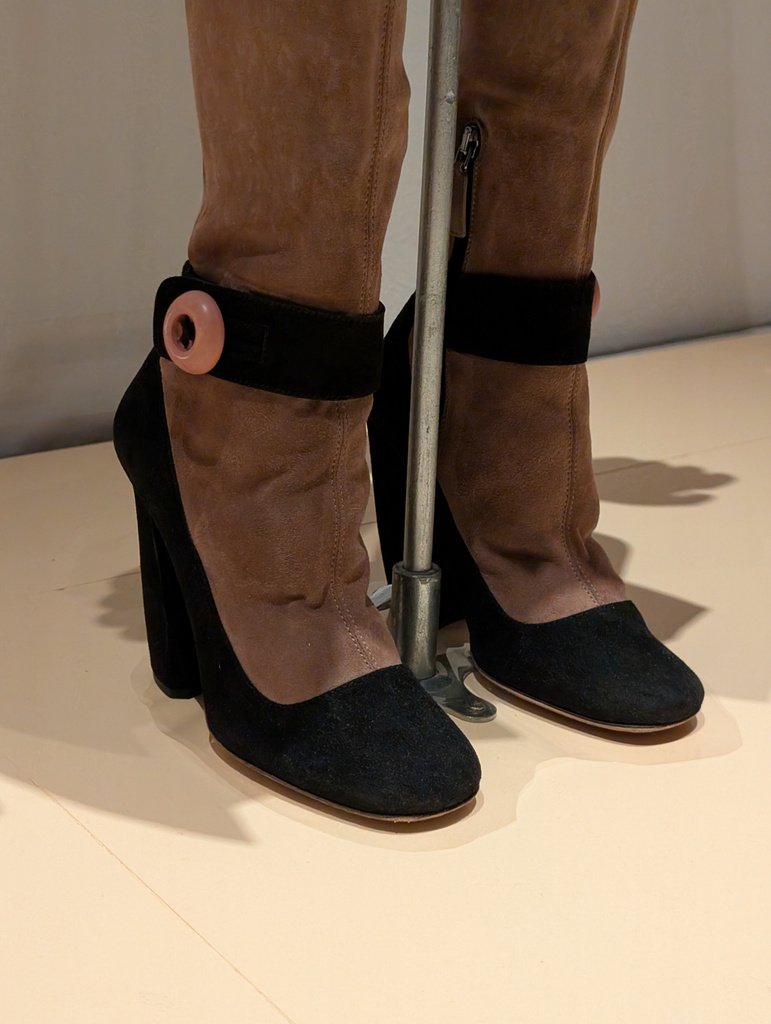
Prada: Brown and black suede trompe l’oeil boots, Fall 2011. MFIT, gift of Gordon Kendall.
Sindy: Swinging London in Miniature
Launched in 1963 as Britain’s answer to Barbie, Sindy embodied the fashionable “dolly bird” ideal. Her first wardrobe was created by Marion Foale and Sally Tuffin, young designers and pioneers of Swinging London style, known for their easy shift dresses, tailored trousers, and bold graphic silhouettes.
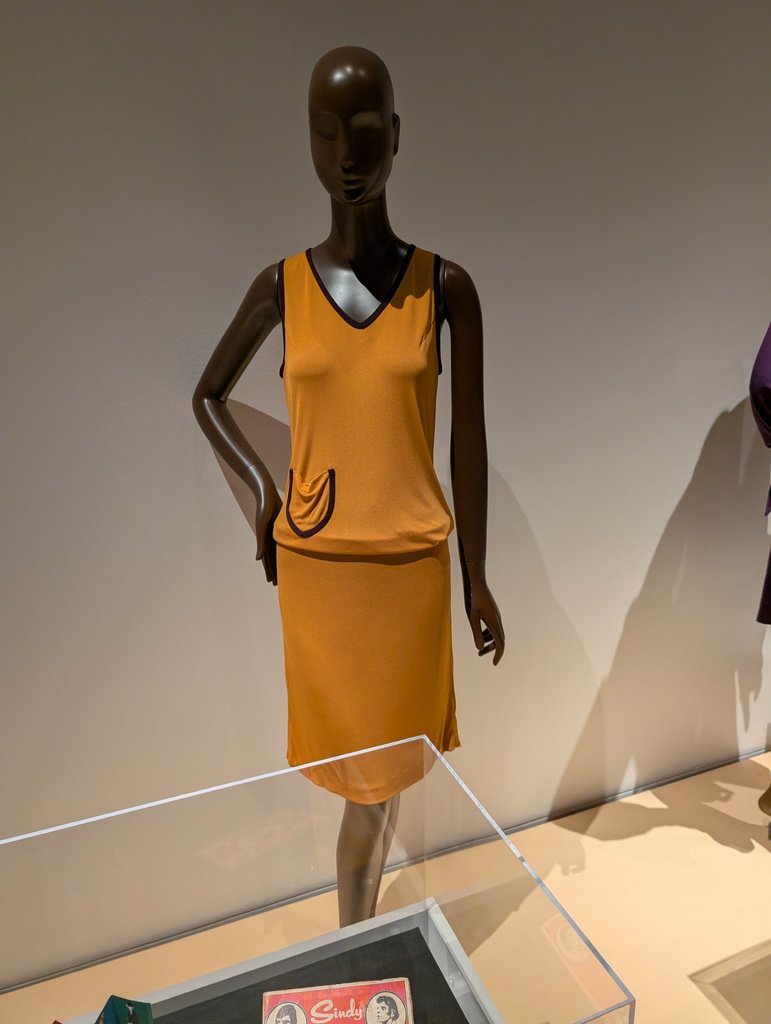
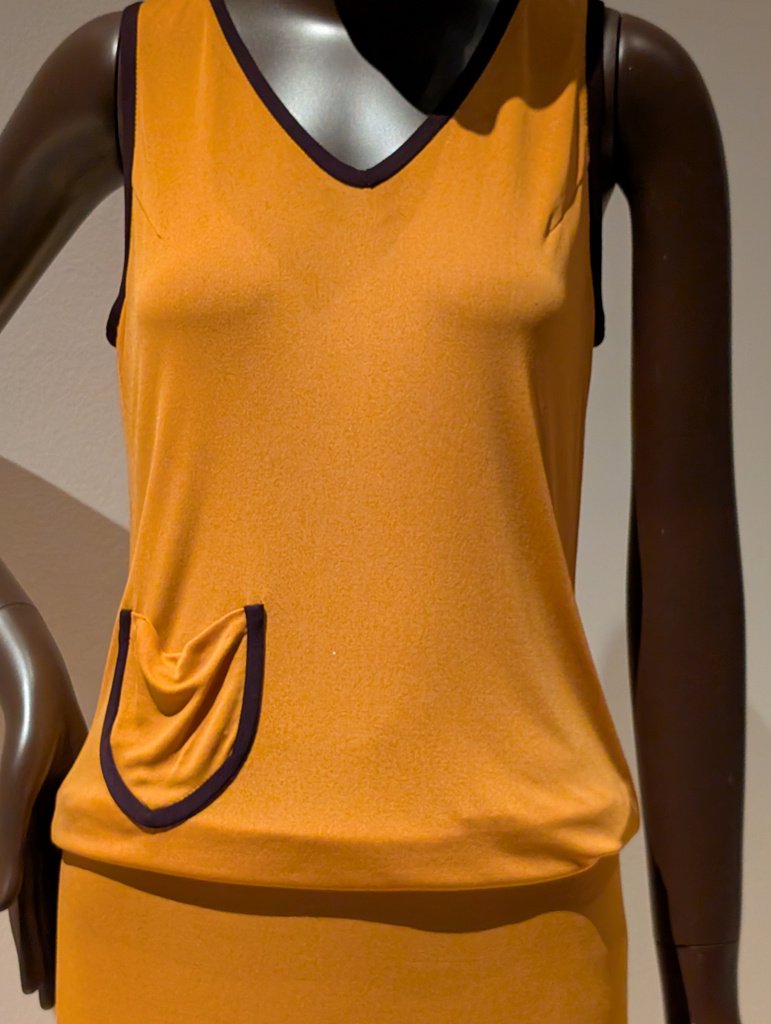
Orange and purple rayon shift dress, circa 1965, MFIT, gift of Clare M. Sauro
Rather than dressing Sindy in conventional doll clothes, Foale and Tuffin gave her miniature versions of contemporary London youth fashion: modern, comfortable, and free-moving looks that captured the spirit of 1960s freedom.
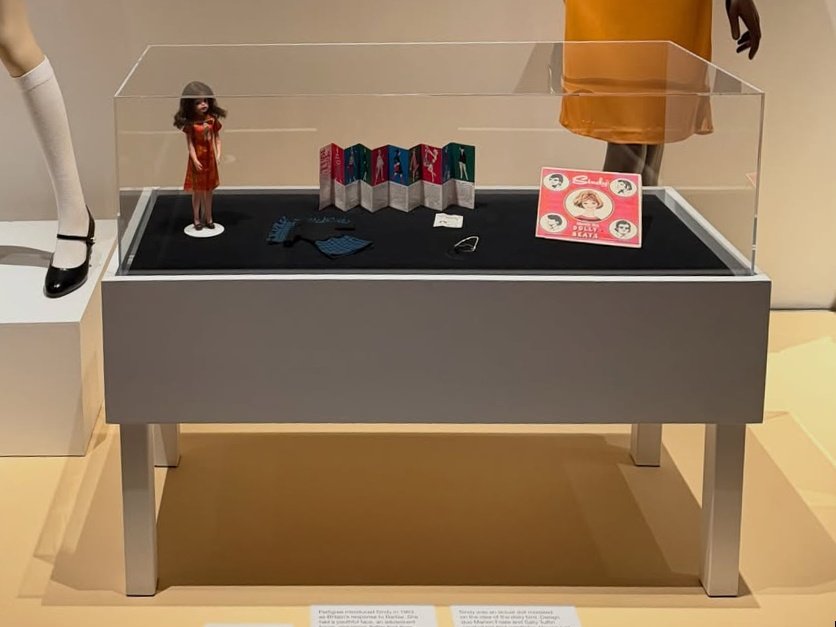
Having just launched their own hip womenswear label, they were up to the challenge of making clothing for the doll described as “the free, swinging girl that every girl longs to be.”
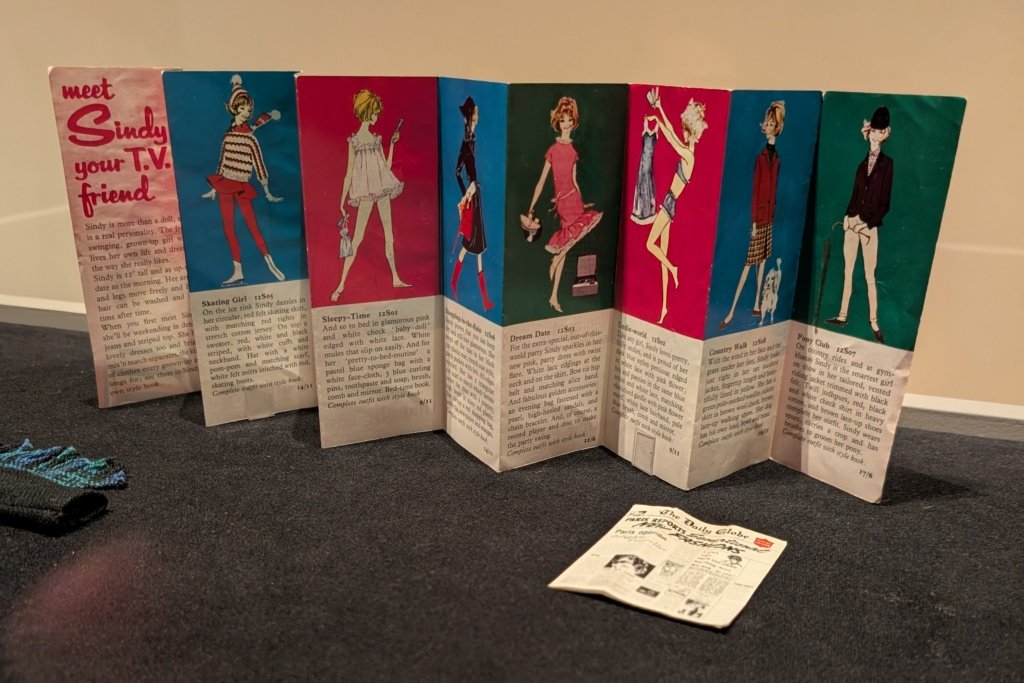
Introduced by Pedigree in 1963, Sindy was Britain’s down-to-earth answer to Barbie. Her wardrobe, designed by Foale and Tuffin, reflected contemporary London youth culture through bright colours and graphic shift dresses.
Japanese Lolitas: The Aesthetics of Dissent
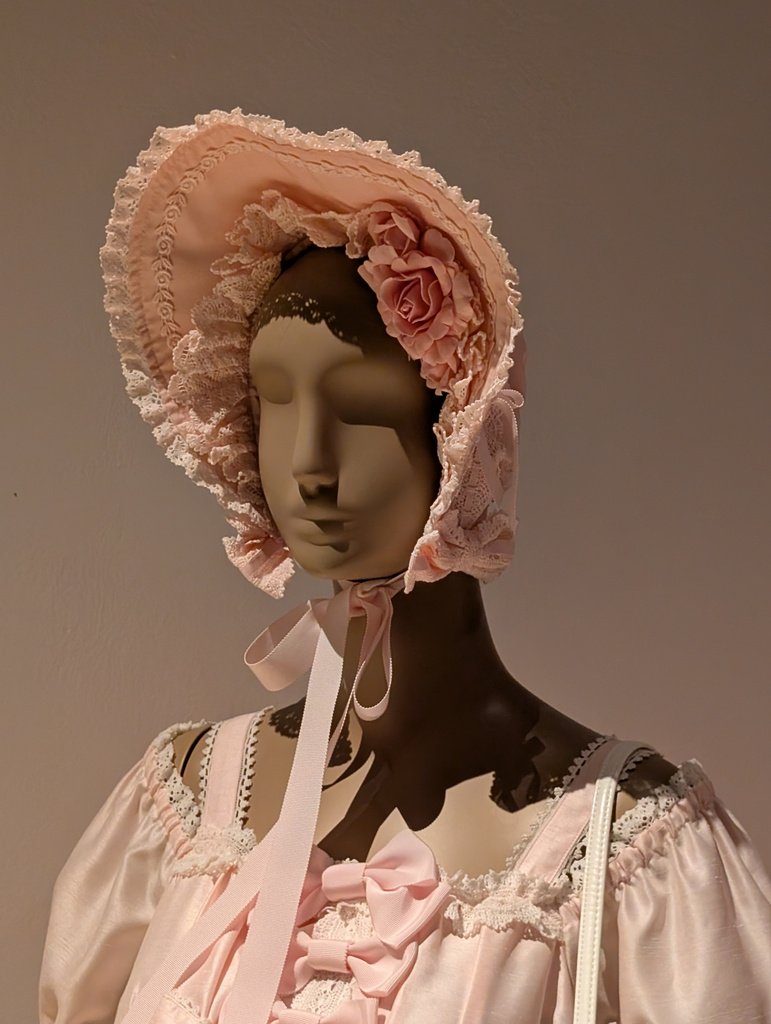
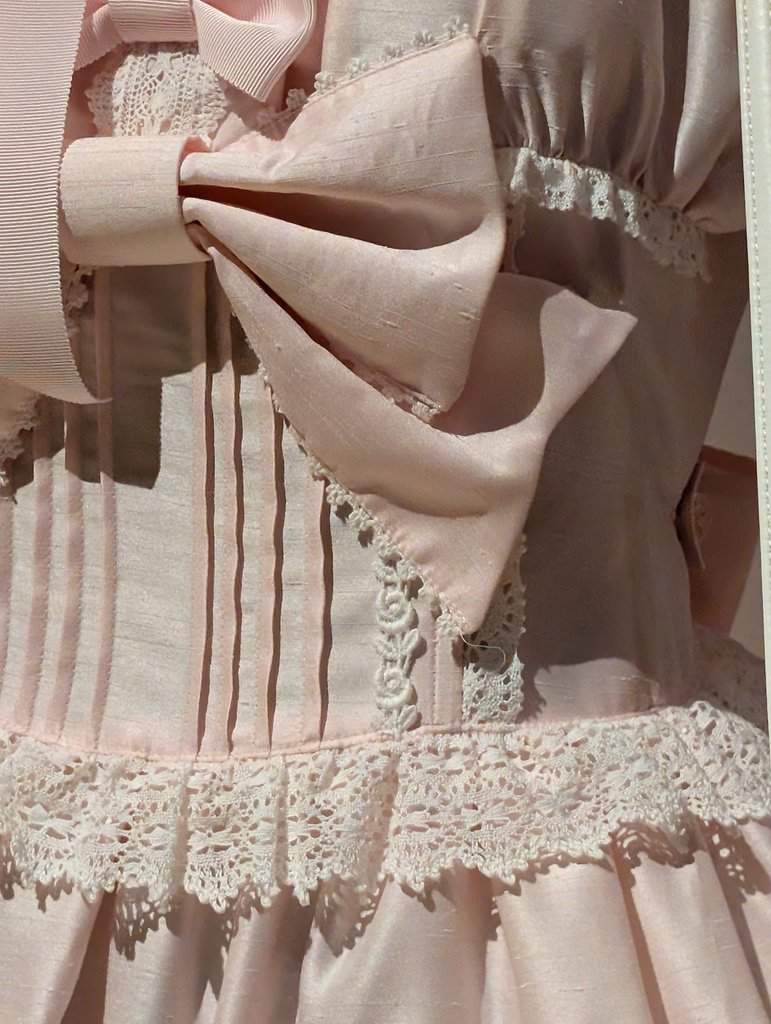
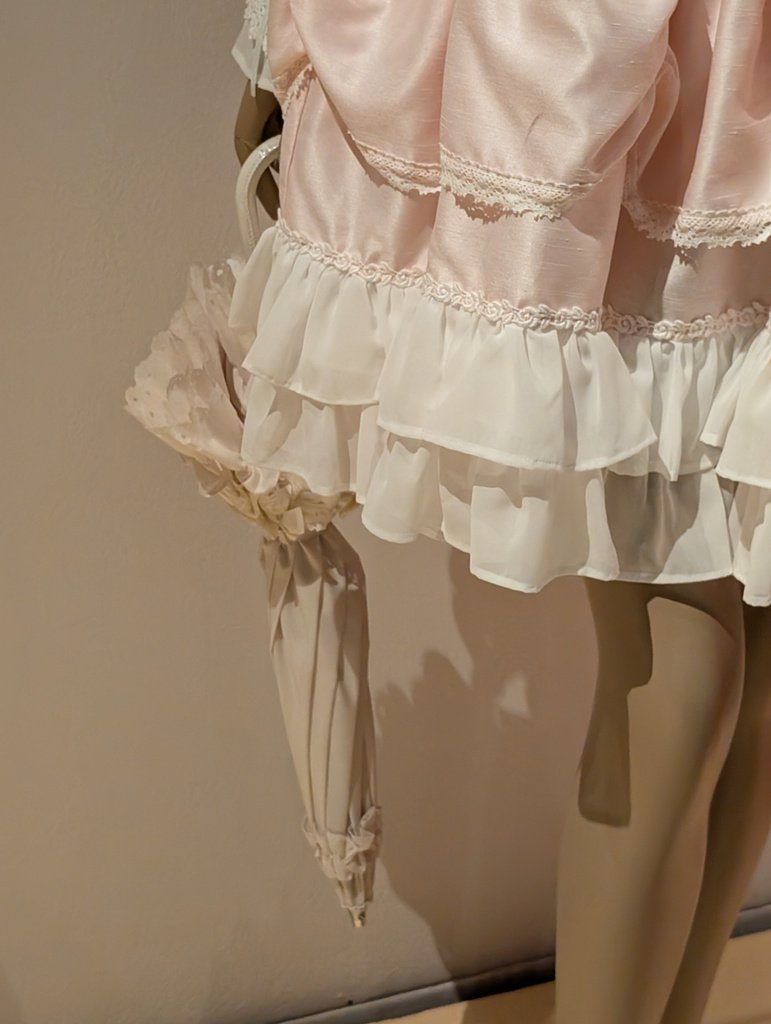
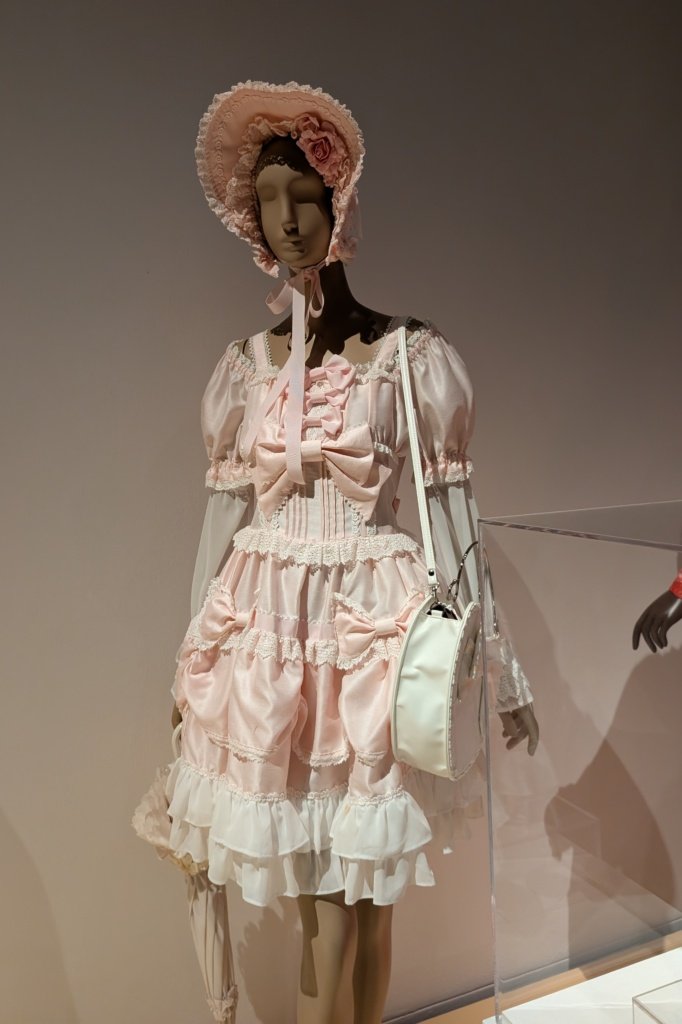
Japanese Lolita fashion cultivates a youthful, doll-like appearance inspired by Rococo and Victorian aesthetics. Scholar Michelle Liu Carriger notes that the Lolita look feels “unmistakably Japanese,” despite its visual ties to European dolls.
Far from being passive, Lolita fashion is a form of cultural dissent against conformity. In a society structured around uniforms and strict social roles, Lolitas dress to please themselves rather than men, finding liberation in fantasy.
The brand Baby, The Stars Shine Bright embodies this archetype with layered petticoats, lace, and ribbons. As a representative noted in 2008: “I like ruffles, lace, ribbons. They are like clothes for dolls.”
Manga, Takara’s Jenny, and Comme des Garçons
The relationship between dolls, fashion, and manga runs deep. Takara’s Jenny doll debuted in 1982 as Takara Barbie, featuring starry eyes inspired by manga artist Makoto Takahashi. Renamed Jenny in 1986, she became one of Japan’s most beloved dolls.
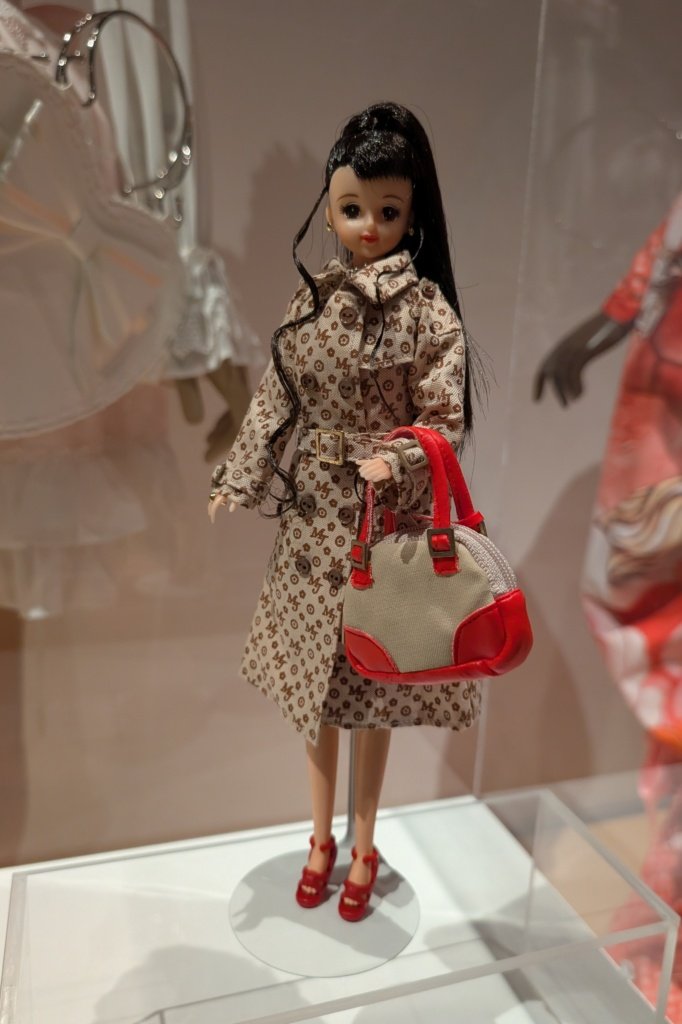
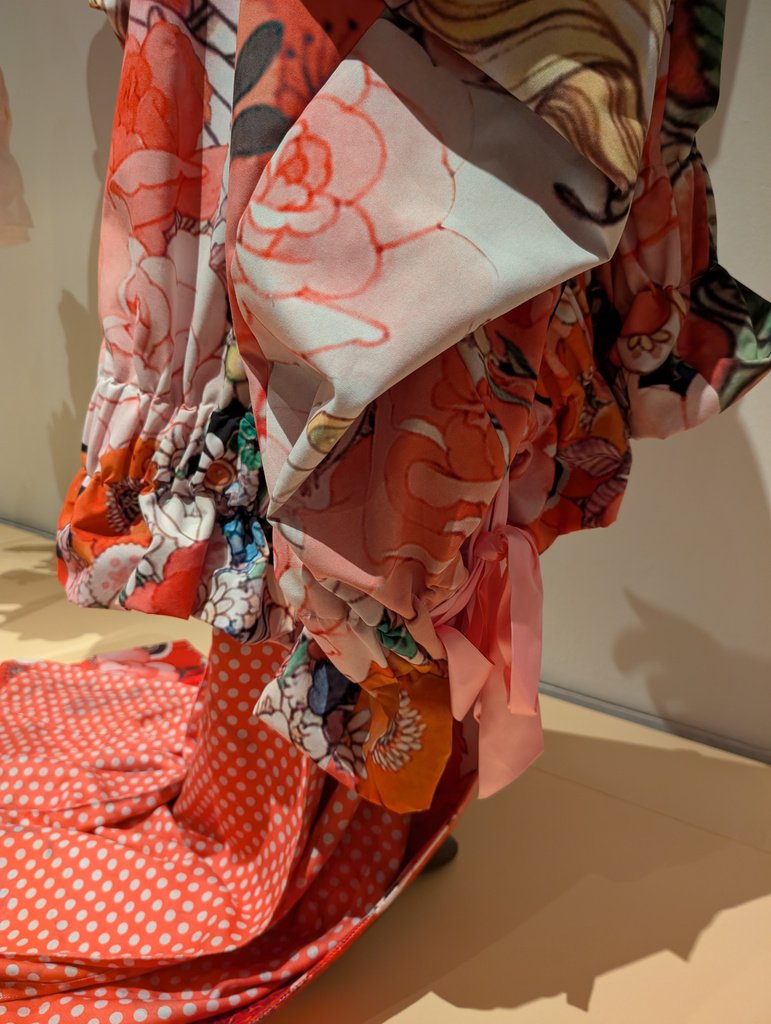
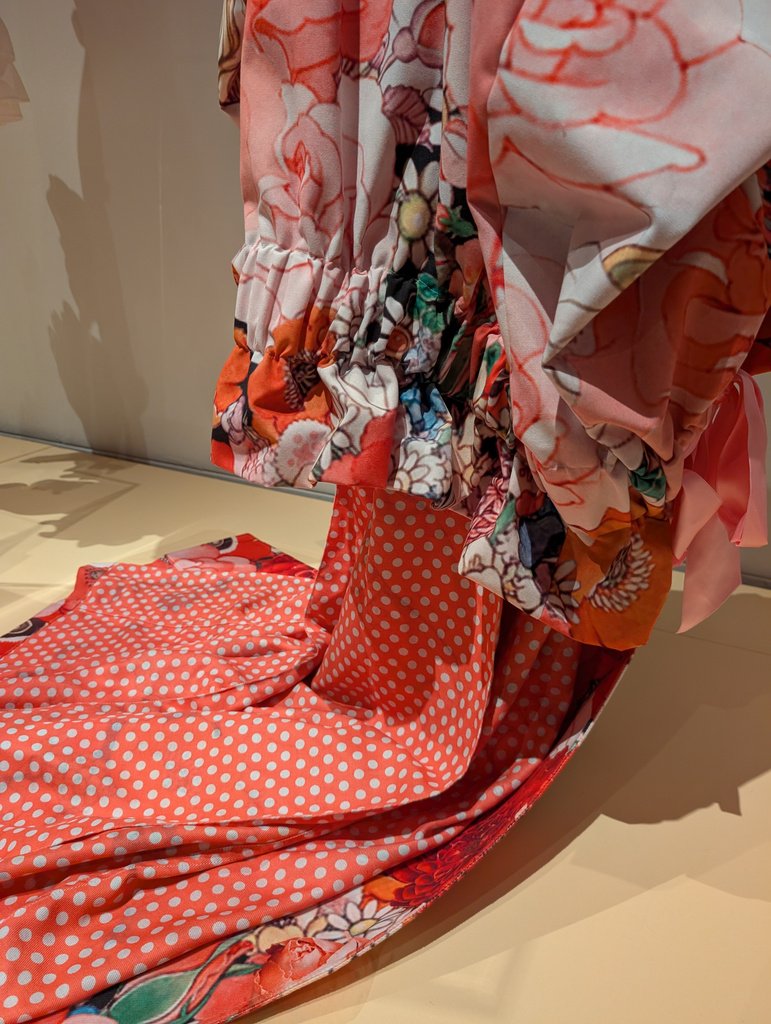
Takahashi’s 1960s illustrations, defined by bows, lace, and puffed sleeves, profoundly shaped Lolita style. Rei Kawakubo incorporated Takahashi’s artwork into her Comme des Garçons Spring 2018 collection, bridging doll aesthetics, manga, and avant-garde couture.
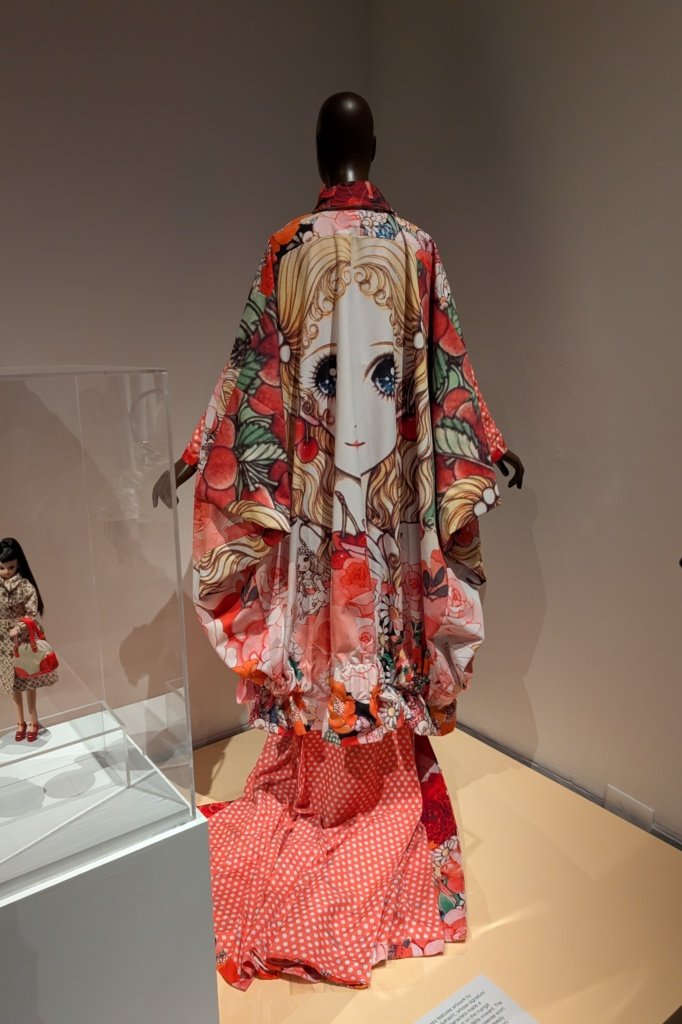
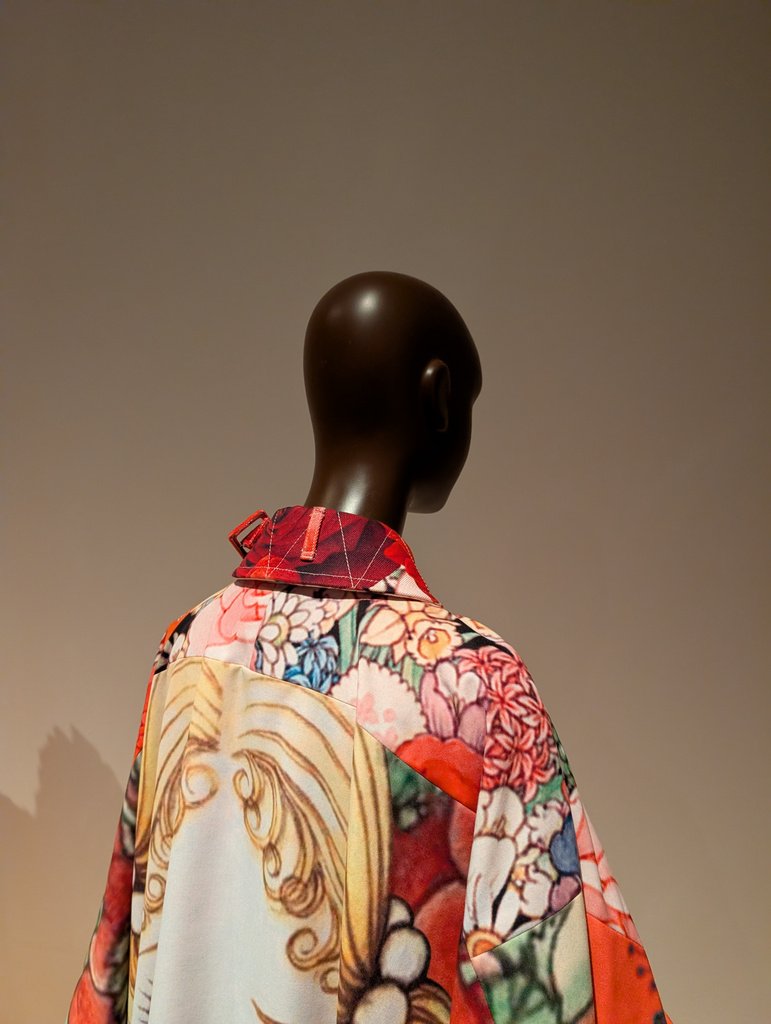
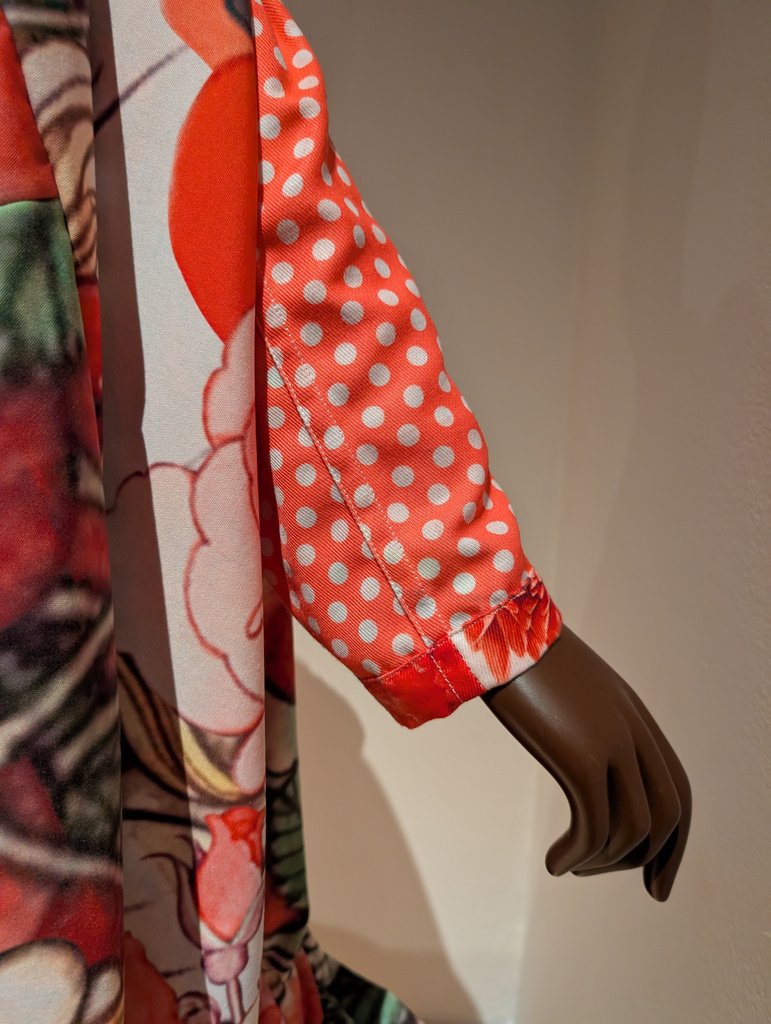
The Doll as a Canvas for Self-Expression
From the rebellious 1960s “dolly birds” in Biba dresses and Mary Janes to the elaborate fantasy frills of Japanese Lolitas and the runway experiments of Prada and Comme des Garçons, doll aesthetics have long outgrown the nursery. They prove that looking like a doll is never about passivity or submissiveness. Instead, it is a deliberate, highly theatrical, and fearless fashion language, one where playfulness, innocence, and irony become powerful tools for personal identity and creative freedom.
“All Dolled Up” examines the concept of the “living doll” through archetypes such as the flapper, the dolly bird, and the 21st-century Lolita. These figures demonstrate how doll-inspired aesthetics have been used to express empowerment, rebellion, and self-definition, even as they are often misunderstood or trivialized. The section also considers the cultural framing of figures such as Twiggy with a contemporary replica of a Twiggy mannequin, the first celebrity mannequin, which models a dress from her own fashion label, Twiggy London Girl (curatorial notes and exhibition registry).
Sources & Further Reading
- Hill, Colleen. Doll Dressing. New York: Rizzoli Electa, 2026. (Official exhibition catalogue published in conjunction with The Museum at FIT).
- Carriger, Michelle Liu. “The Unbearable Lightness of Frills: Performance and Dissent in Japanese Lolita Fashion.” Theatre Survey 55, no. 3 (2014): 301–326. (Scholarly analysis of Lolita fashion as cultural dissent).
- Hulanicki, Barbara. From A to Biba: The Autobiography of Barbara Hulanicki. London: V&A Publishing, 2014. (Autobiography detailing the rise of Biba and the “Biba Dolly” archetype).
- Godoy, Tiffany. Style Deficit Disorder: Harajuku Street Fashion. San Francisco: Chronicle Books, 2007. (Overview of Harajuku subcultures, Baby, The Stars Shine Bright, and doll-inspired street style).
- Blanks, Tim. “Prada Fall 2011 Ready-to-Wear Fashion Show Review.” Vogue, February 24, 2011. (Review and commentary on Miuccia Prada’s 1920s/1960s-inspired collection).
- Monden, Masafumi. Japanese Fashion Cultures: Dress and Identity in Contemporary Japan. London: Bloomsbury Academic, 2015. (Exploration of Takara’s Jenny doll, Makoto Takahashi’s manga illustrations, and Kawakubo’s Comme des Garçons references).
- The Museum at FIT. “All Dolled Up” Gallery Notes & Objects Registry, Fall 2026. (Curatorial notes and exhibition registry).