
Flappers, Boudoir Dolls, and the “Living Doll” Ideal
The Doll Dressing FIT Exhibition section titled “All Dolled Up” places the “living doll” ideal. It appears within a broader historical context. The phrase may suggest a woman who is submissive or delicate. It carries a long history of viewing women as aesthetic objects.
During the early modern period, people frequently displayed women’s bodies for visual admiration, much like fine paintings or sculptures. Early fashion dolls served a different purpose. Manufacturers rejected the male gaze in these dolls, focusing instead on communicating fashion, social status, taste, and female influence.
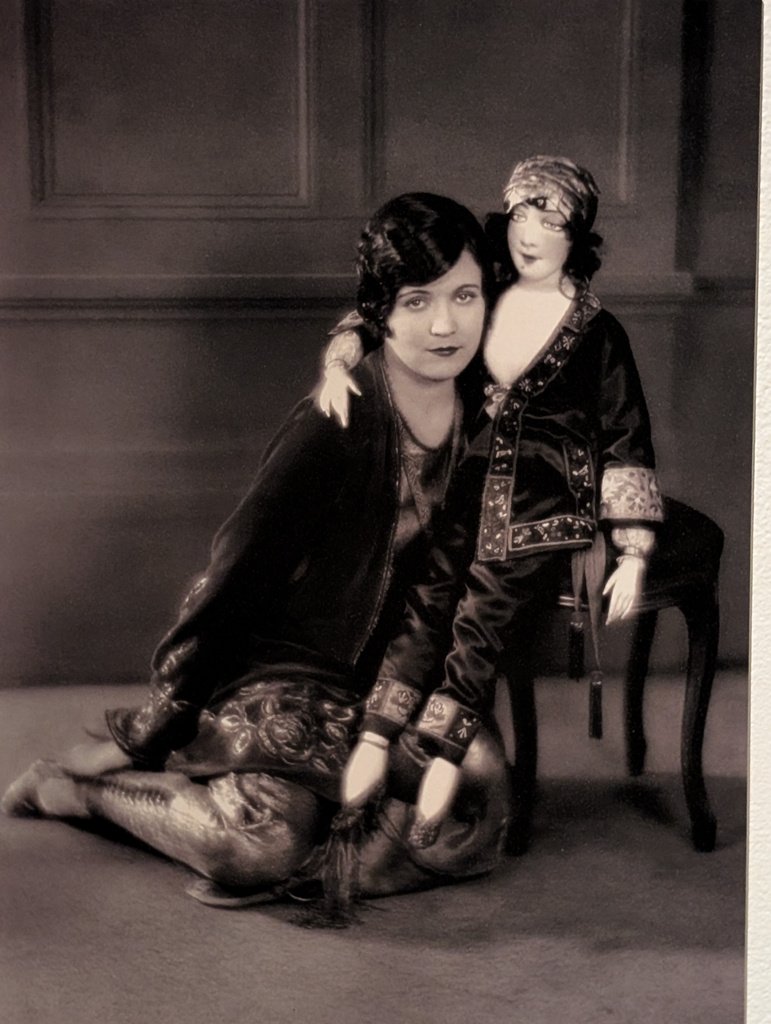
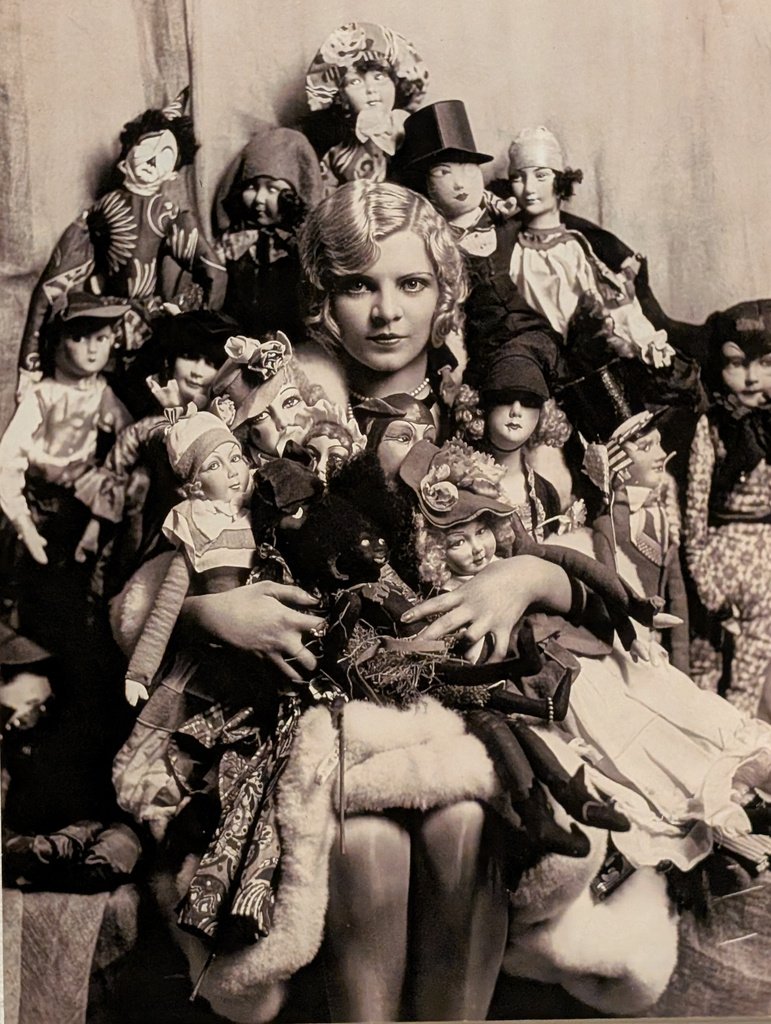
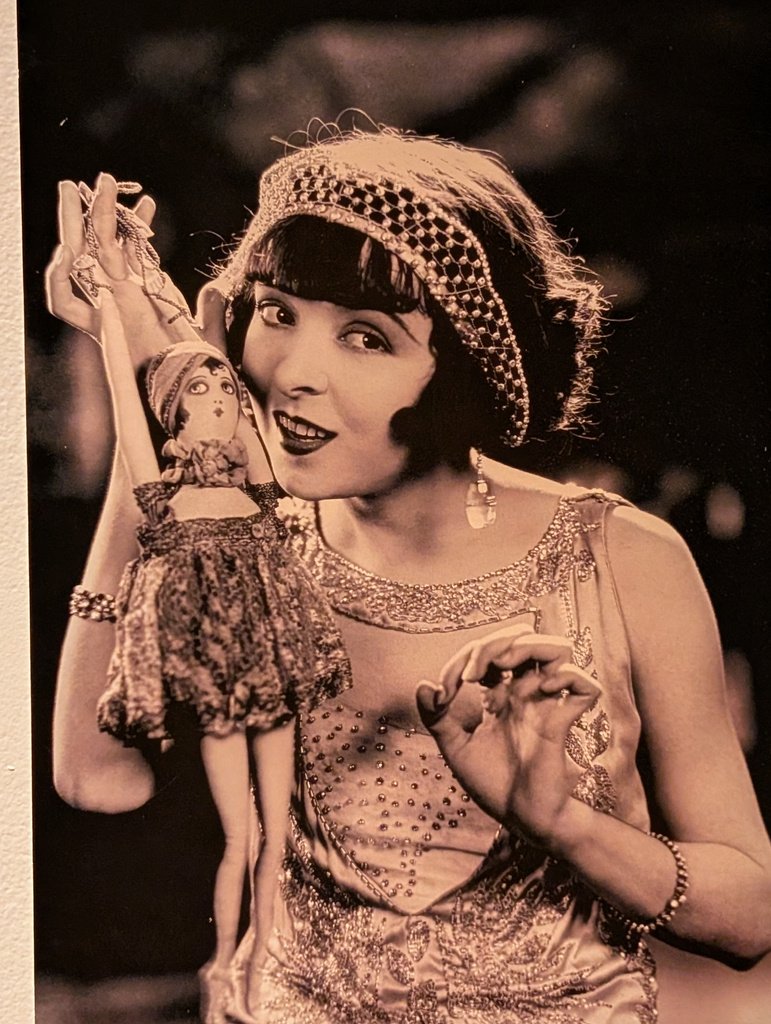
By the twentieth century, dolls no longer functioned as fashion’s essential travelling messengers. They continued to shape ideals of femininity. Historians show how this influence persists across styles by linking it to the 1920s Flapper, the 1960s Dolly Bird, and the Lolita aesthetic of the late twentieth century. In each case, doll-like style combined playful youthfulness with evolving expectations surrounding female visibility and fashion.
Flappers and Boudoir Dolls
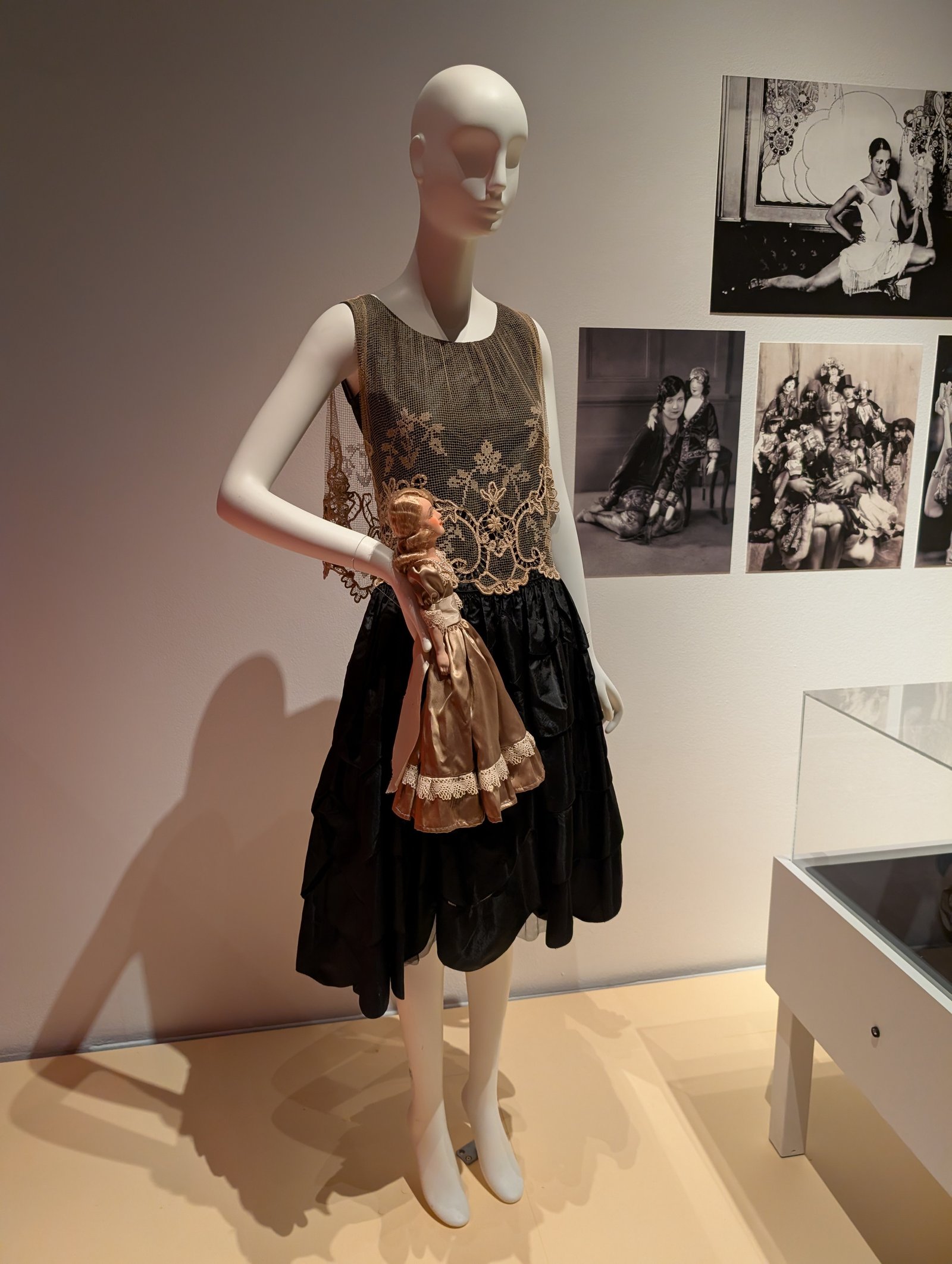
Women in the 1920s did not necessarily dress to look like dolls; instead, they carried them, especially boudoir dolls, as ultra-fashionable accessories, decorative companions, or party mascots.
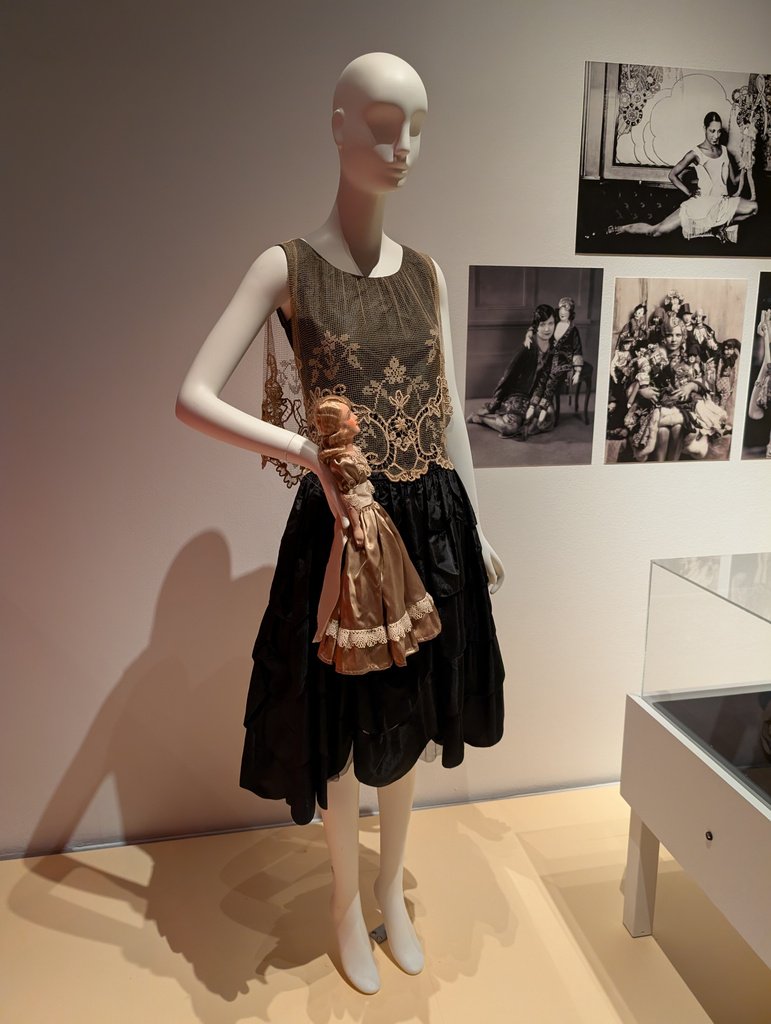
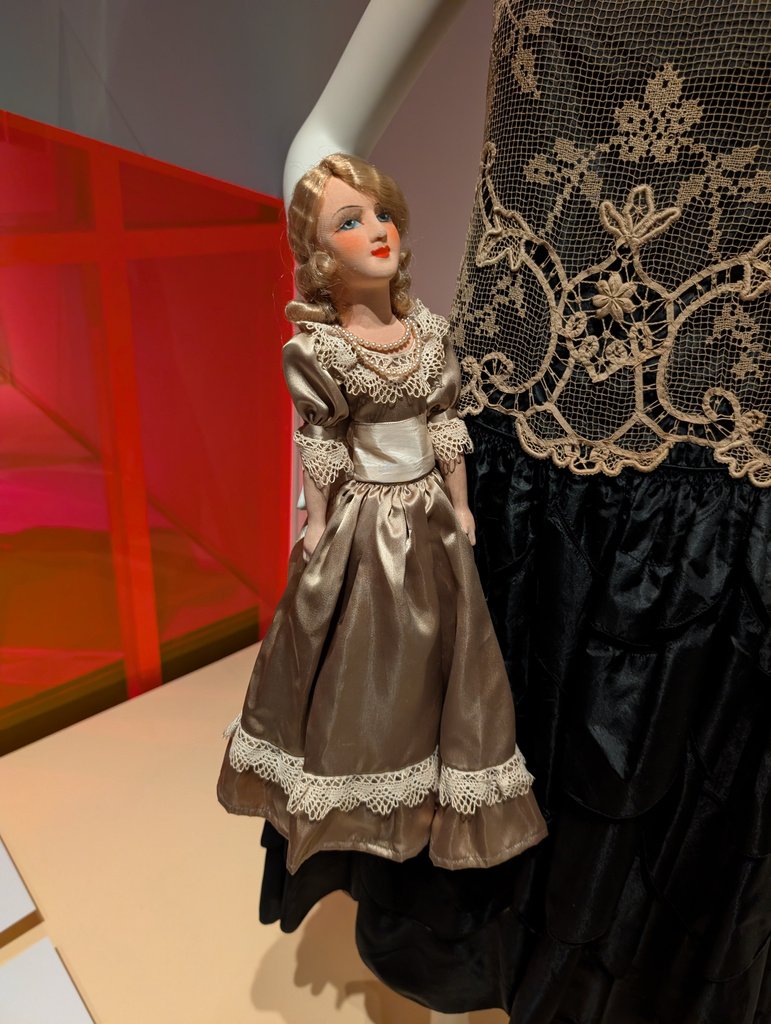
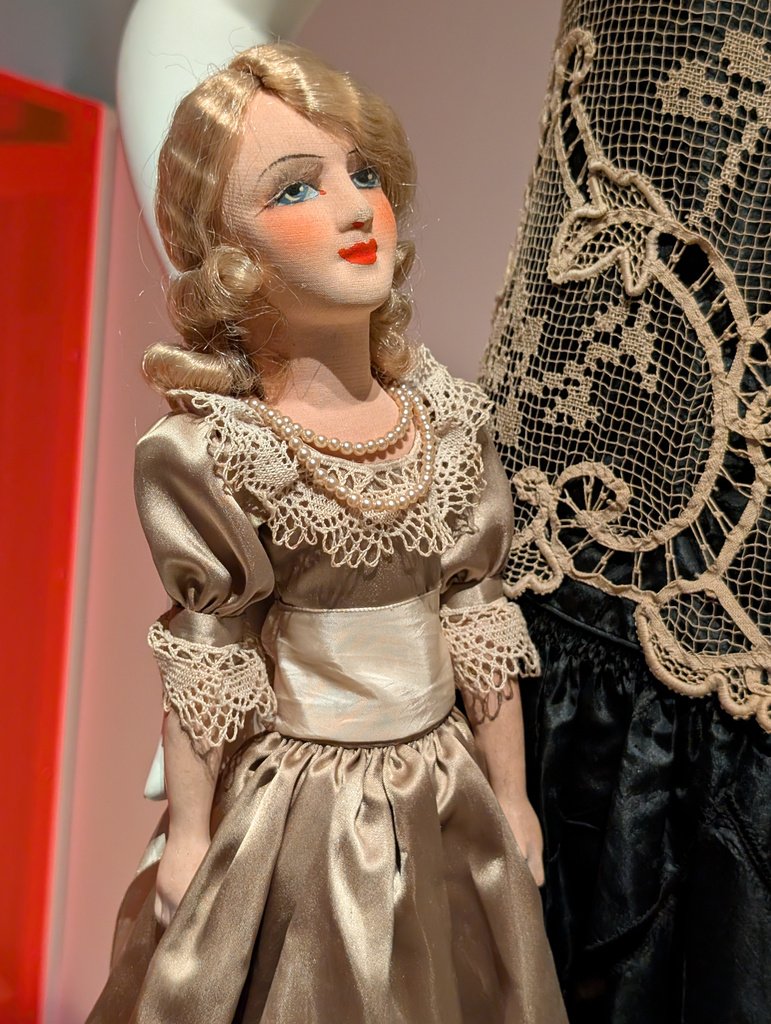
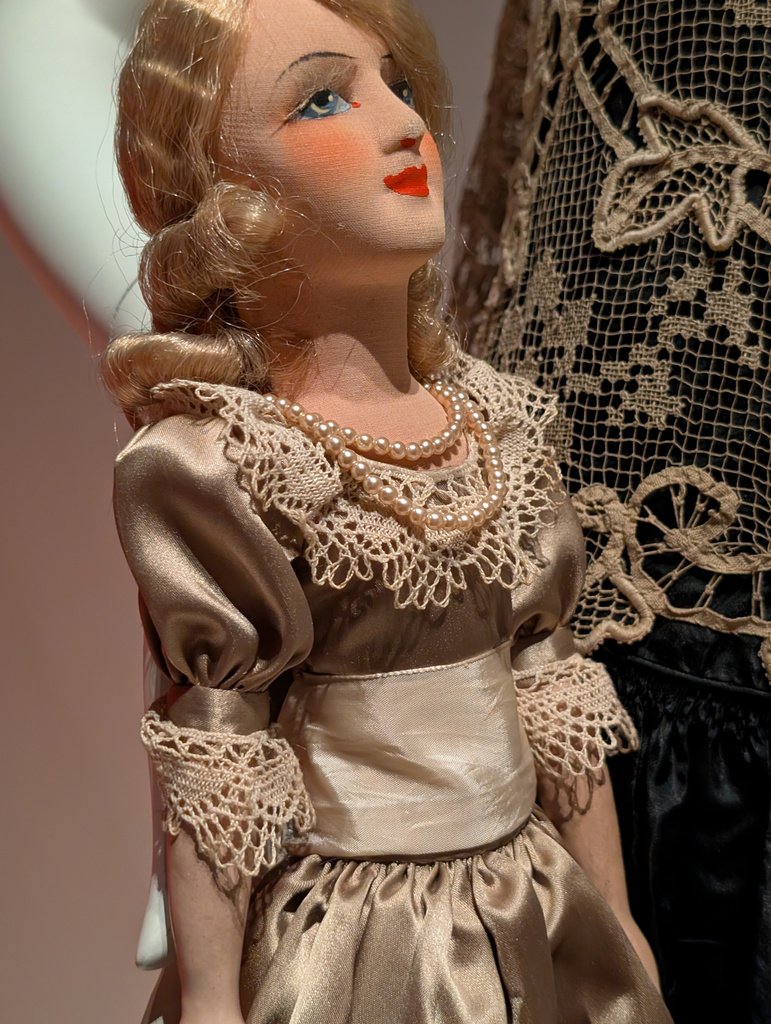
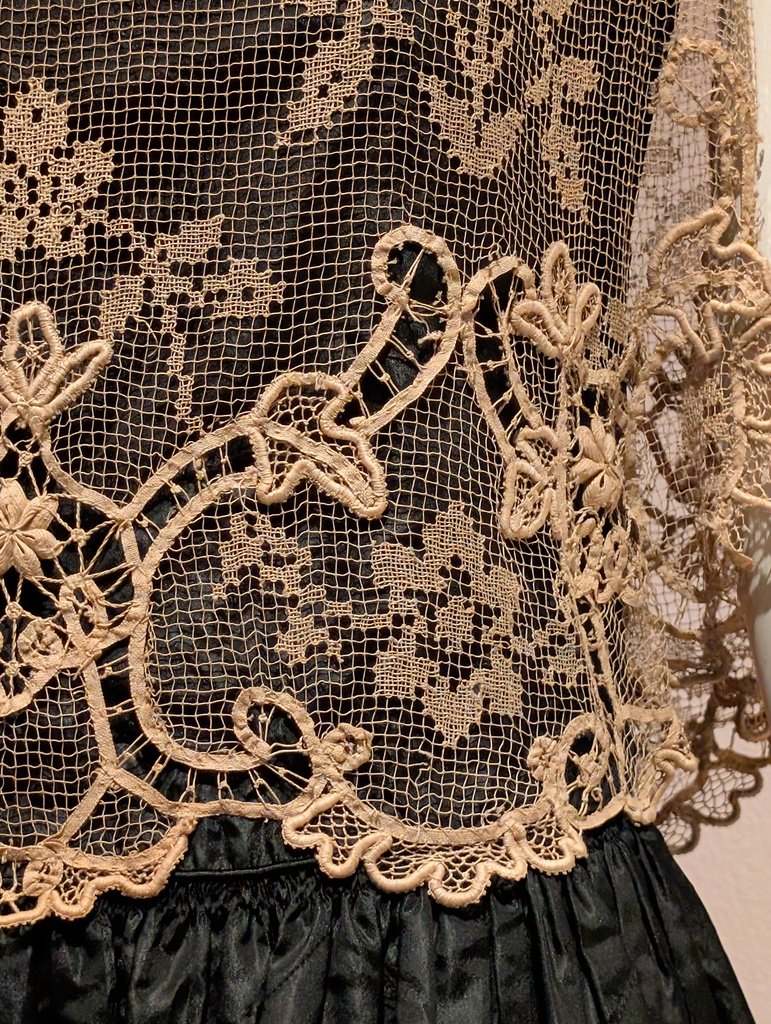
Boudoir doll in a taupe satin dress, 1920s. The Museum at FIT, museum purchase.
While the practice originated from decorating domestic interiors, it gained new glamour during the Jazz Age. Knee-length dresses, bobbed or waved hair, and Mary Jane shoes gave the Flapper an animated, youthful appearance that harmonized with the elongated, stylish proportions of these decorative figures.
Anatomy of a Boudoir Doll
Boudoir dolls were fashionable decorative objects rather than conventional children’s playthings. Their characteristic long, slender bodies and painted faces, featuring arched brows, long eyelashes, and red Cupid’s-bow lips-echoed the beauty ideals of the 1920s.
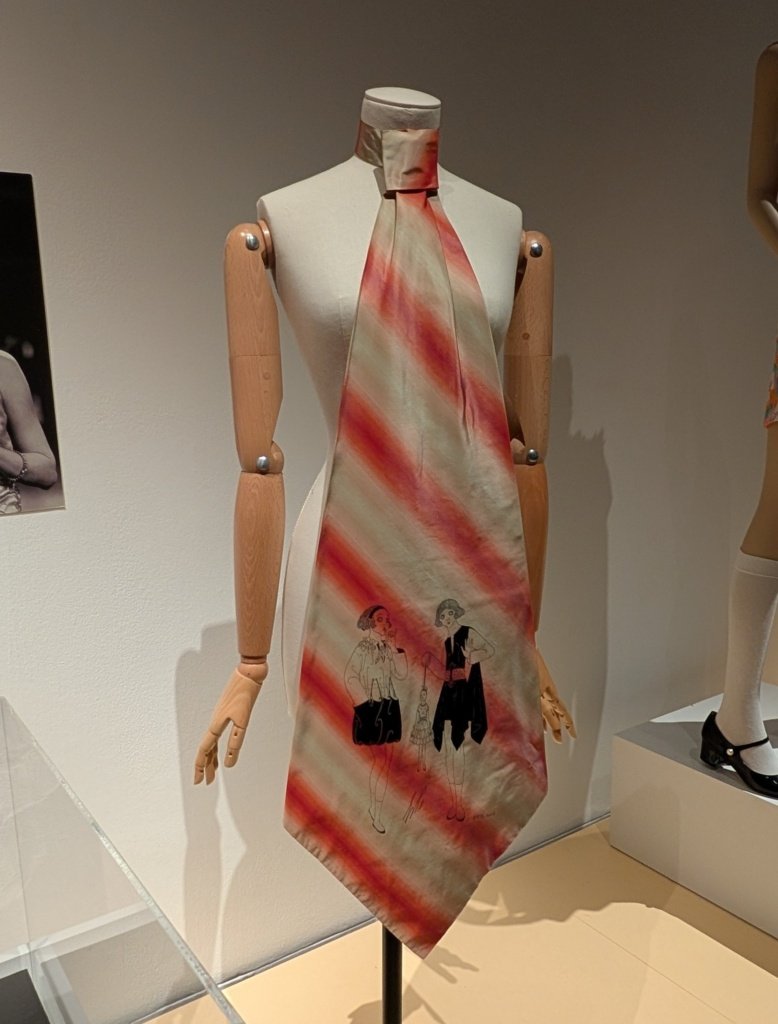
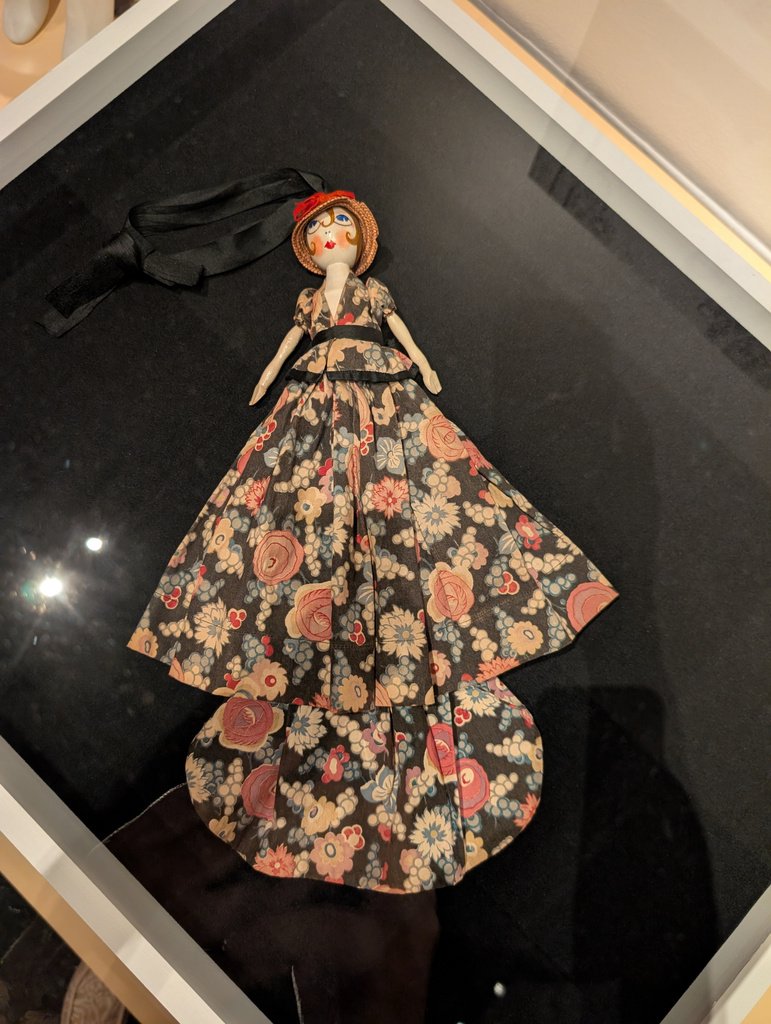
Their garments were often more romantic than contemporary street fashion. Lace-trimmed dresses, satin fabrics, and soft feminine details provided a striking contrast. This contrasted with the modern appearance of the women who displayed them.
A Revealing Shift in Language
The exhibition notes a revealing cultural shift through media of the era:
- In the 1911 ragtime hit “Oh! The song praises a woman as a delicate, passive prize.
- By 1929, Vogue openly described the notion of women remaining dolls to be dressed and undressed by others as foolish and outdated.
This sharp contrast captures a transformative decade in which femininity, youth, consumerism, and personal independence were actively being renegotiated.
The song, with music by Nat D. Ayer and lyrics by A. Seymour Brown, was first published in 1911.
Audio accessed via Internet Archive.
1920s boudoir dolls remain a fascinating design phenomenon where toys, interior decor, and personal style accessories merged, giving us one of the most iconic symbols of Jazz Age fashion.
Sources & Further Reading
- Hill, Colleen. Doll Dressing. New York: Rizzoli Electa, 2026. (Official exhibition catalogue published in conjunction with The Museum at FIT).
- Peers, Juliette. The Fashion Doll: From Lenci to Princess Diana. Berg Publishers, 2004. (In-depth study on boudoir dolls, Lenci figures, and their role in 1920s visual culture).
- Marek, Don. Boudoir Dolls: Modern Form with Historic Roots. Antique Doll Collector Press, 2009. (Essential guide on the origin, materials, and aesthetics of Jazz Age boudoir dolls).
- Steele, Valerie. Paris Fashion: A Cultural History. Bloomsbury Academic, 2017. (Exploration of 1920s flapper style, modernity, and changing female silhouettes).
- Vogue Archives (1911–1929). Articles and commentary on the “Living Doll” trope and 1920s women’s independence. Condé Nast.
- The Museum at FIT. “All Dolled Up” Gallery Notes & Objects Registry, Fall 2026.