
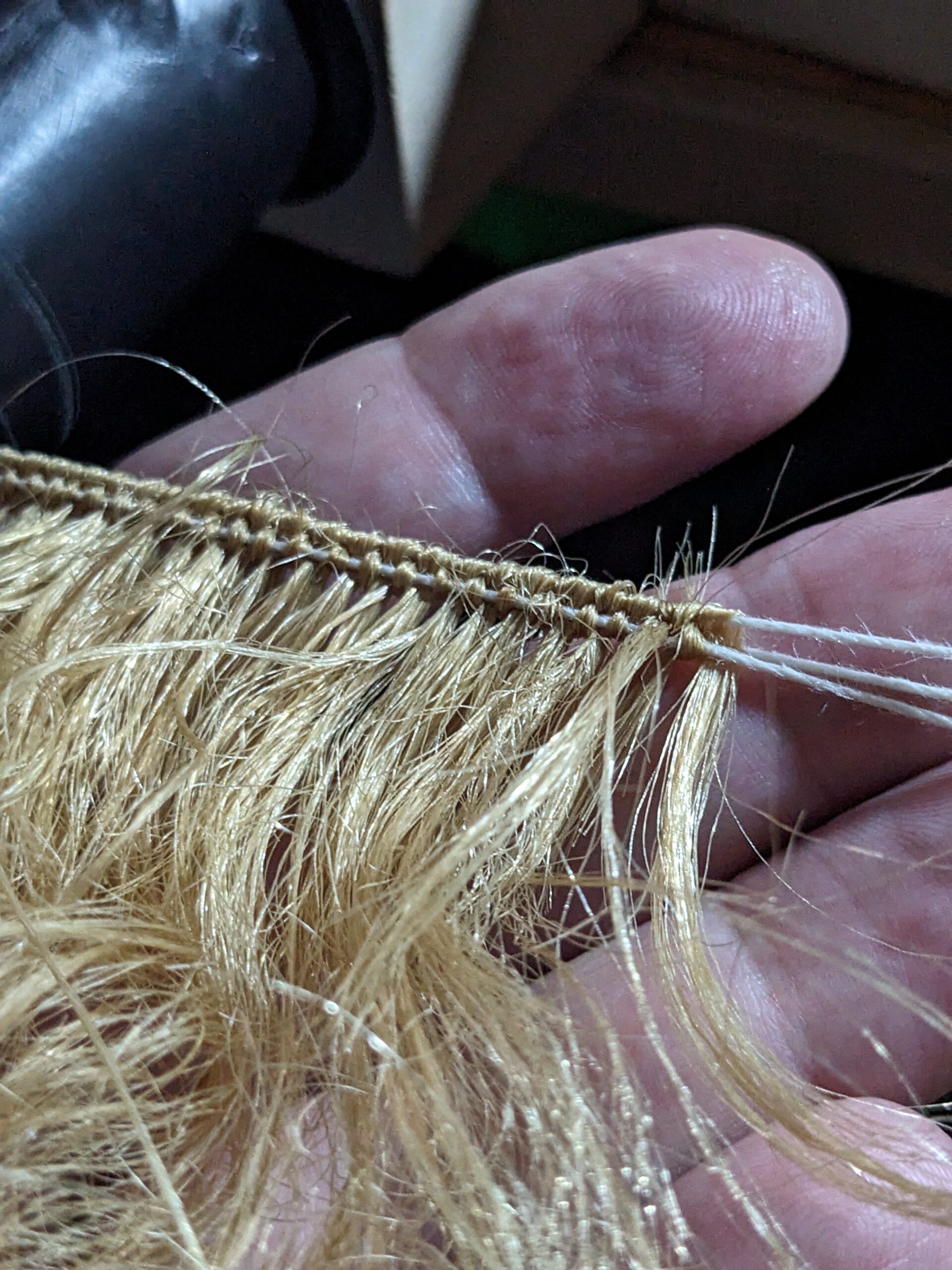
Step-by-Step Instructions for Making Tresses for Doll Wigs
Let’s start with a definition. What is a wig tress?
Tress is the basis for hair products (wigs, chignons), long strands of hair that are woven on threads for styling on the base.
Made by hand on a tress-bank, intertwining the strands between the threads with a seal.
A tress is natural or artificial hair braided on a main strand in a row and placed on the base of a wig or chignon.
Necessary tools and materials for making tresses:
- Natural or artificial hair (10-12 hairs in a bundle).
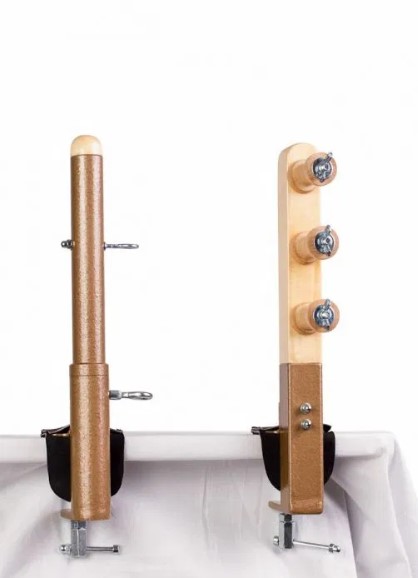
- Tress-bank (these are two wooden/metal stands (diameter 40-50 mm, height 40-50 cm, clamps for attaching to the table at a distance of 50-70 cm from each other).
- Strong nylon threads.
We start by installing the tress-bank.
An approximate diagram of creating a wooden frame (tress-bank) for weaving tresses.
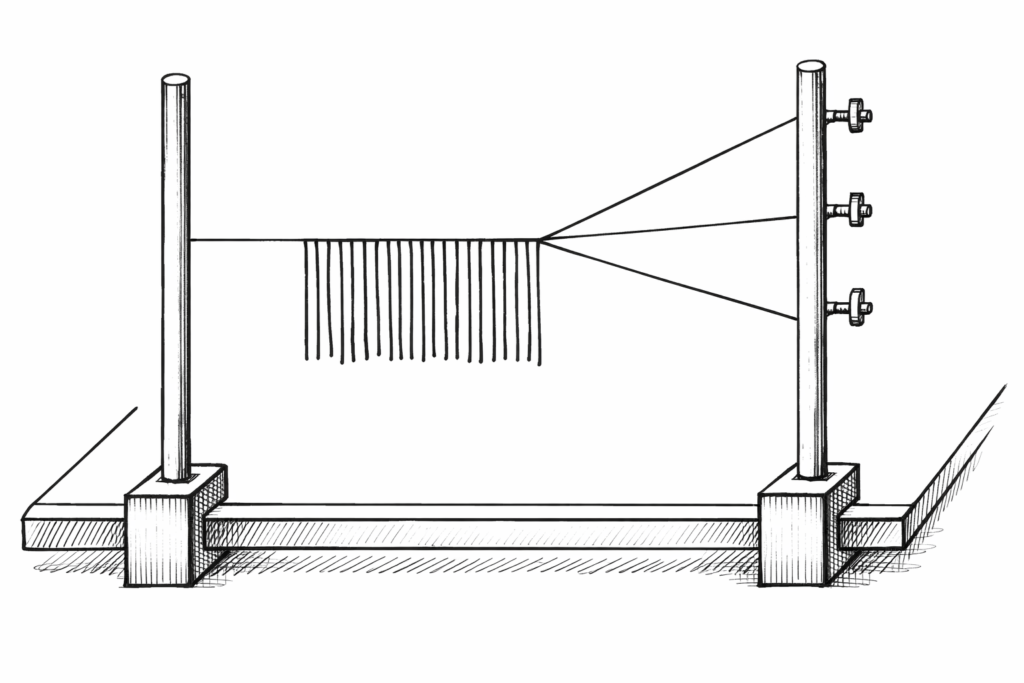
- Fix the racks on the table at a convenient distance.
- Wind 3 nylon threads on the pegs in the holes of the right rack (at a distance of 6-7 cm from each other).
- Tie the free ends to the hook on the left rack.
- Evenly tighten the threads by turning the pegs.
- Wrap the bottom thread around the two top ones and tighten tightly to prevent stretching (see image).
Weaving (manual method)
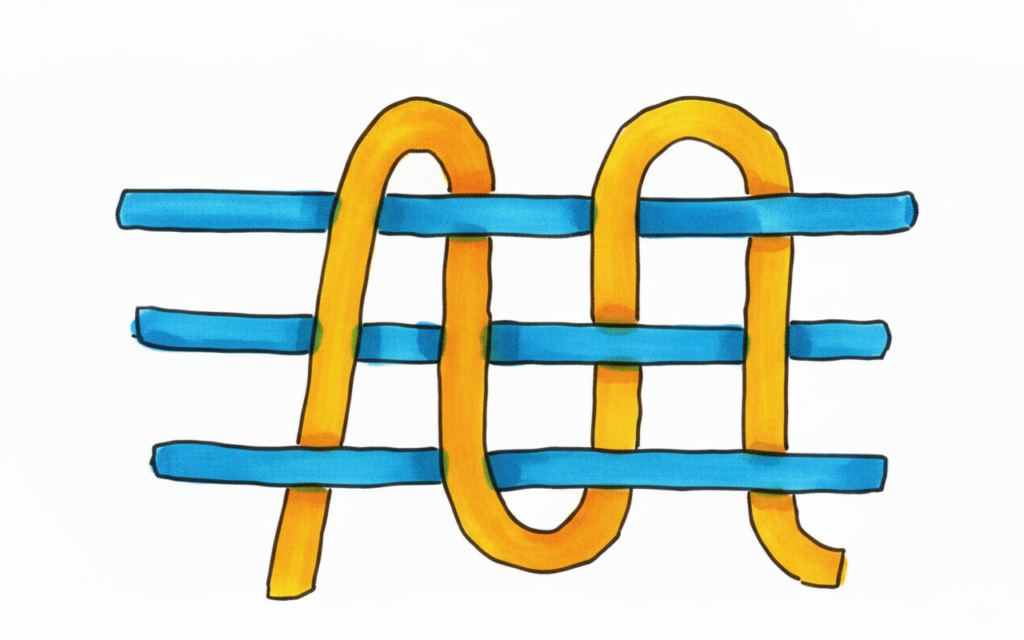
Weaving scheme in the color image.
- Take a bundle of 10-12 hairs; pull the bottom strand between the strands below and inside, bring the bottom strand back towards you.
- Pull tight, slide to the left to the knot of the strand and pack tightly.
- Repeat with the next bundle, weaving between the strands (one or two turns per 3 strands).
- Continue to the desired length (corresponds to the wig pattern); finish with two knots on the strands to secure (see image).
Types of Weave Patterns
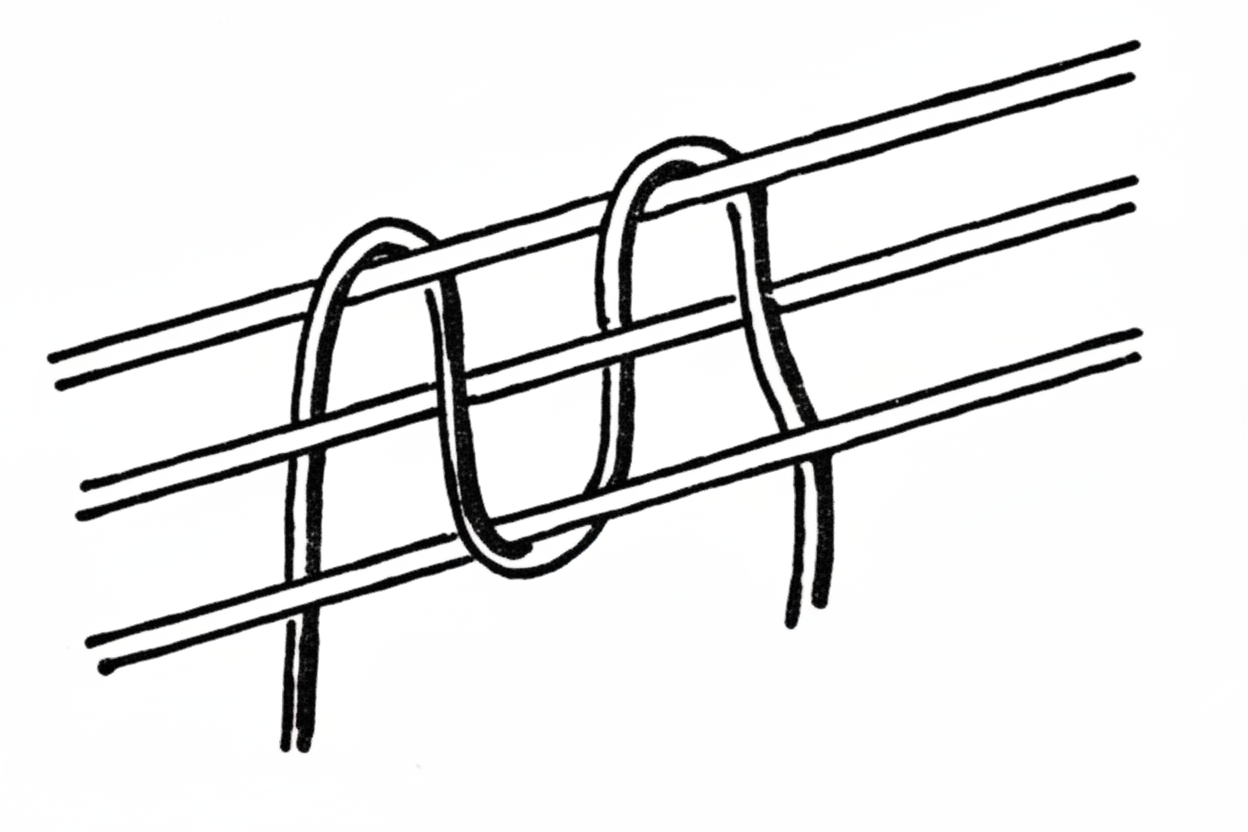
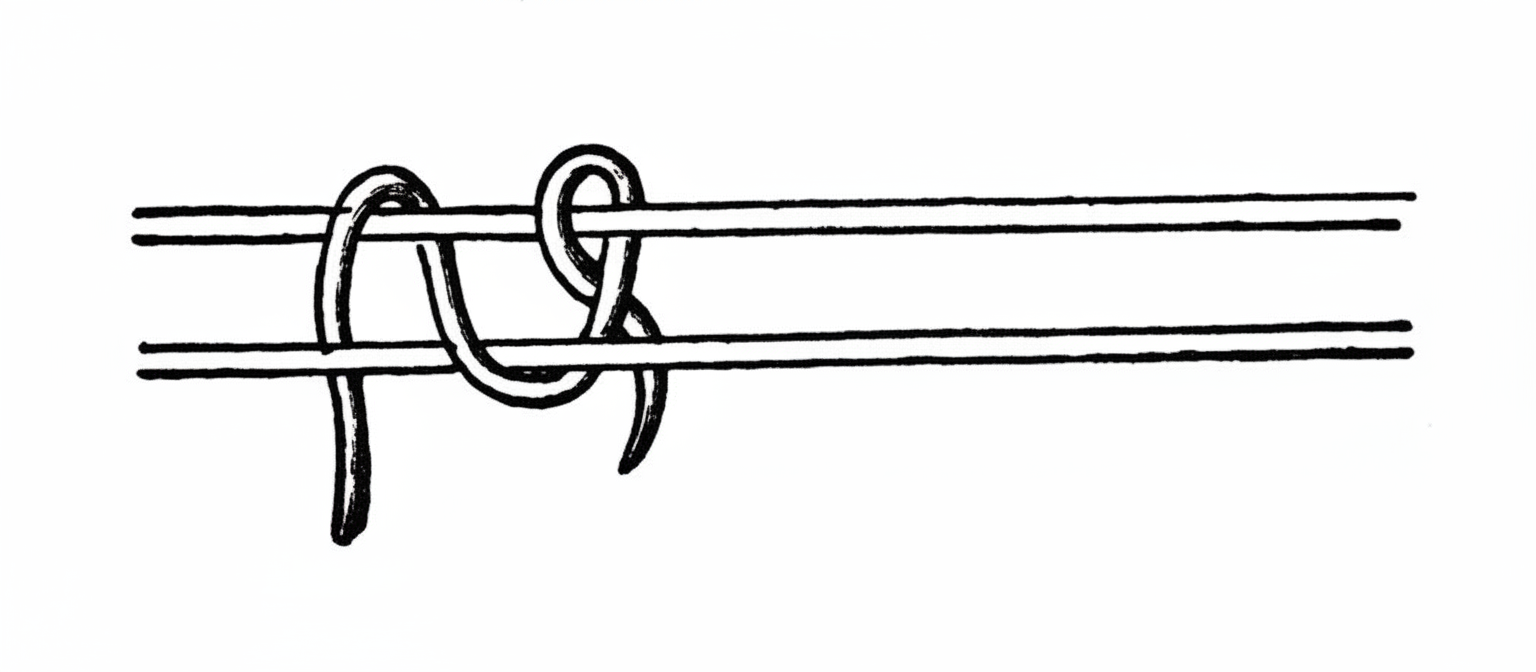
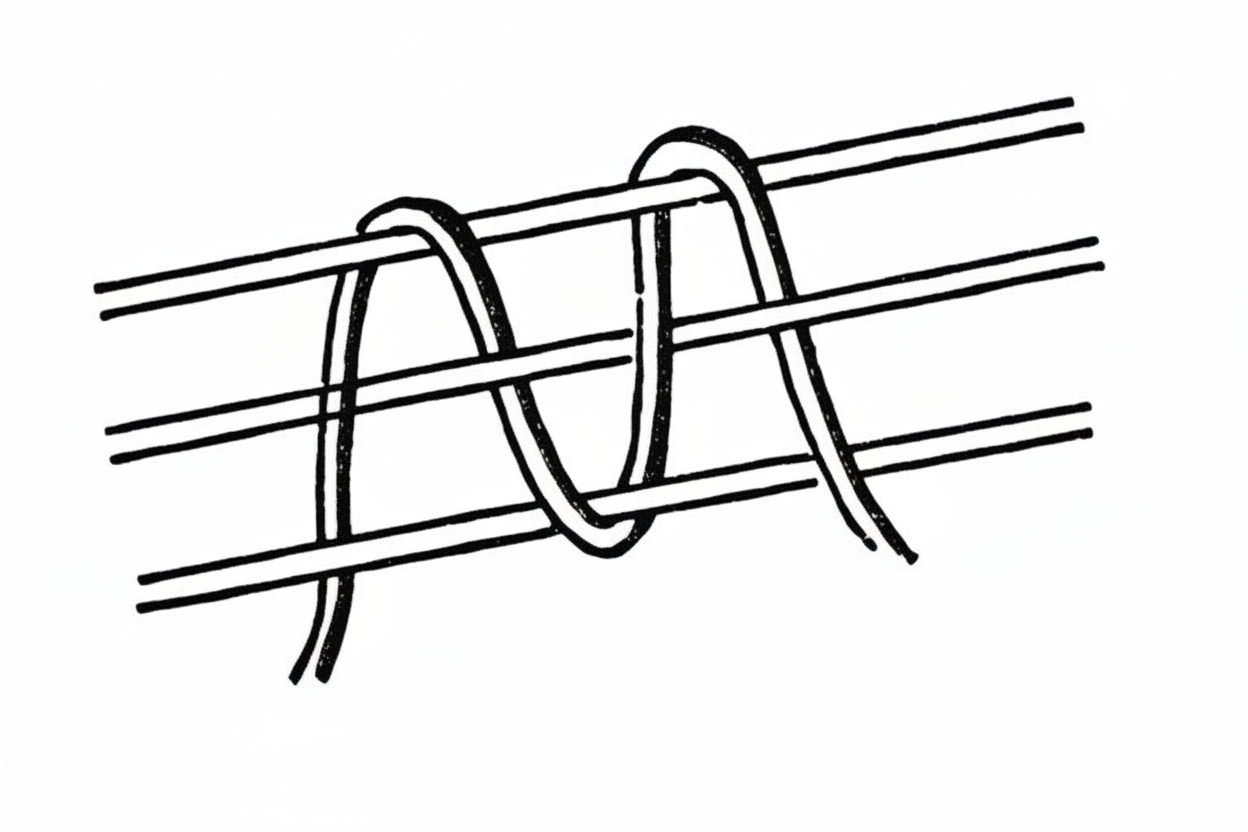
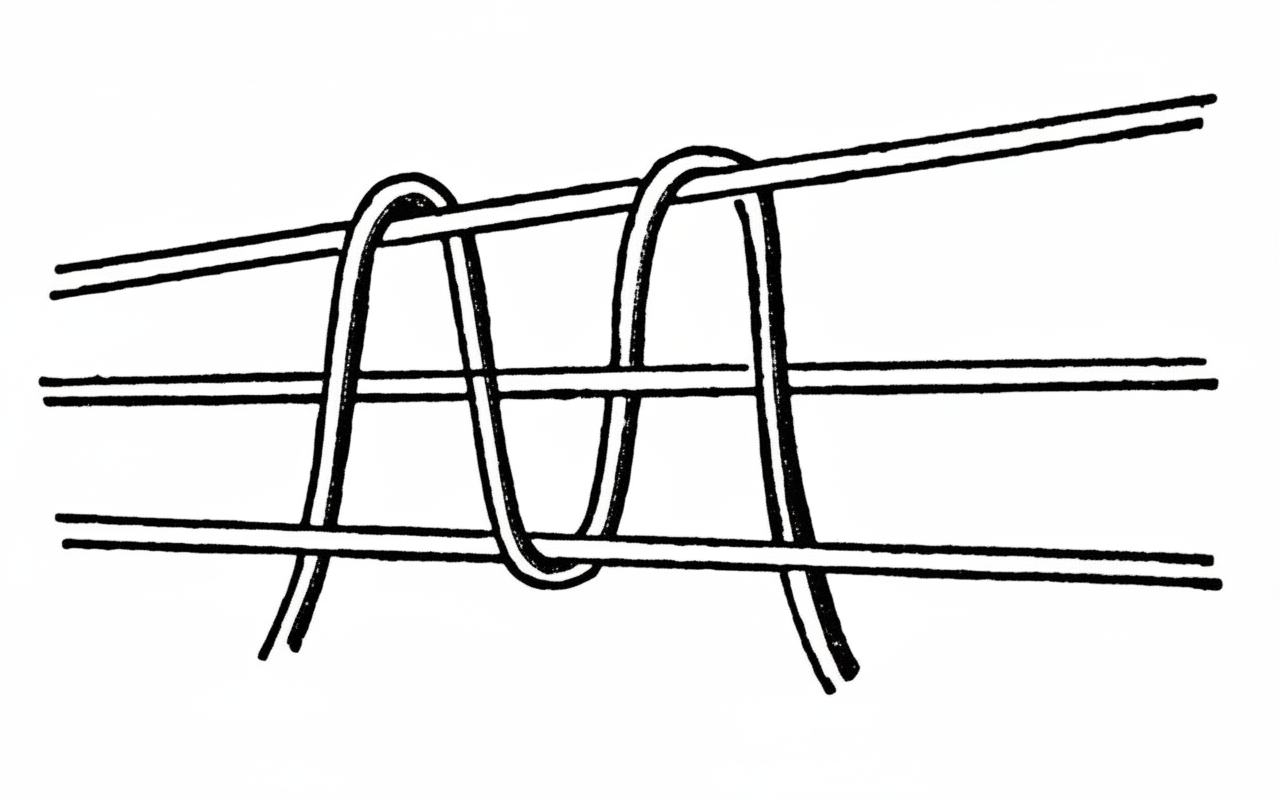
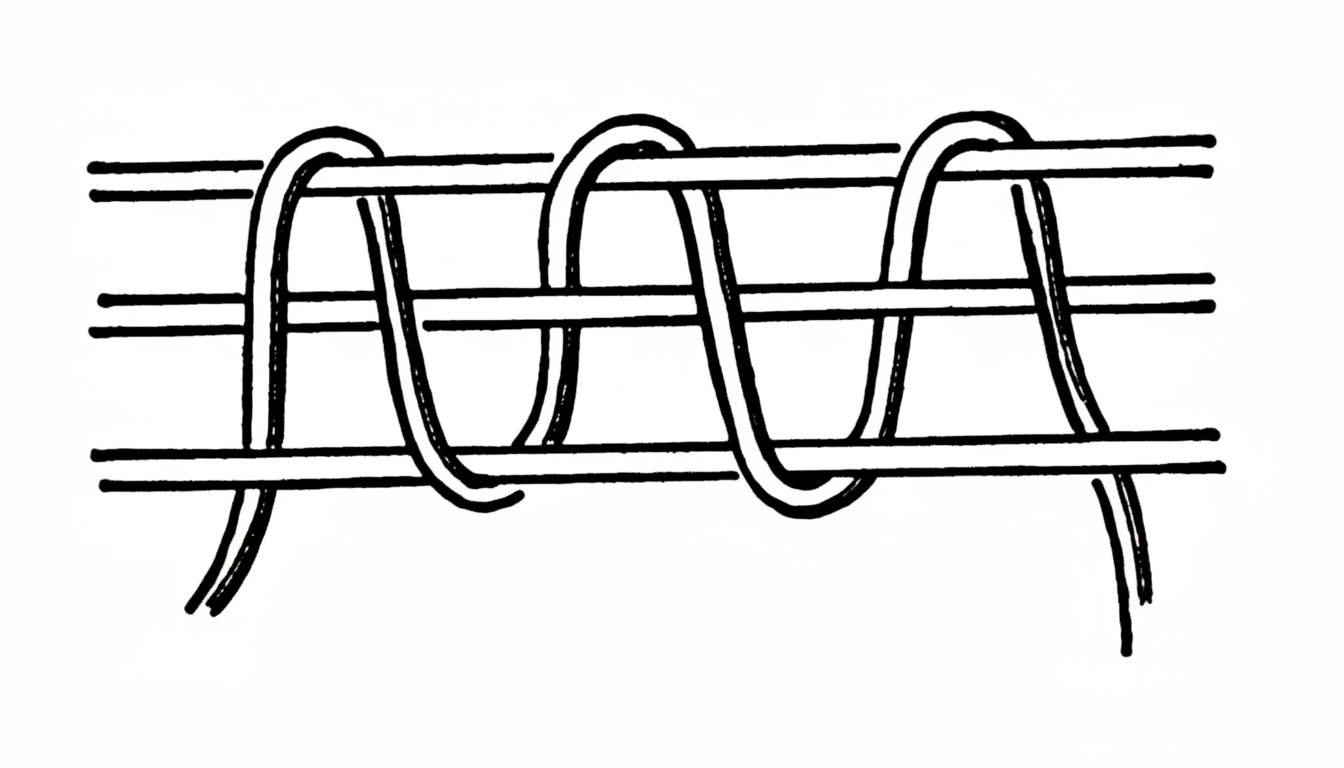
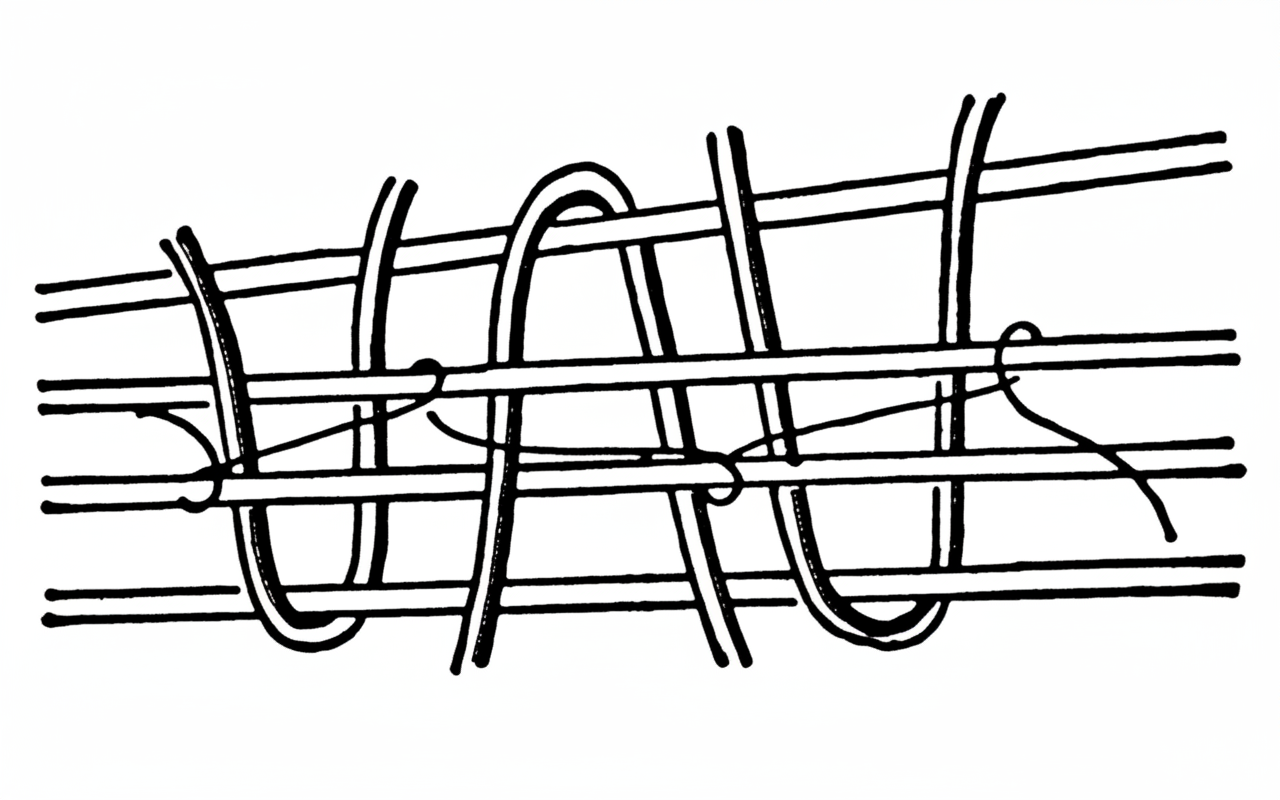
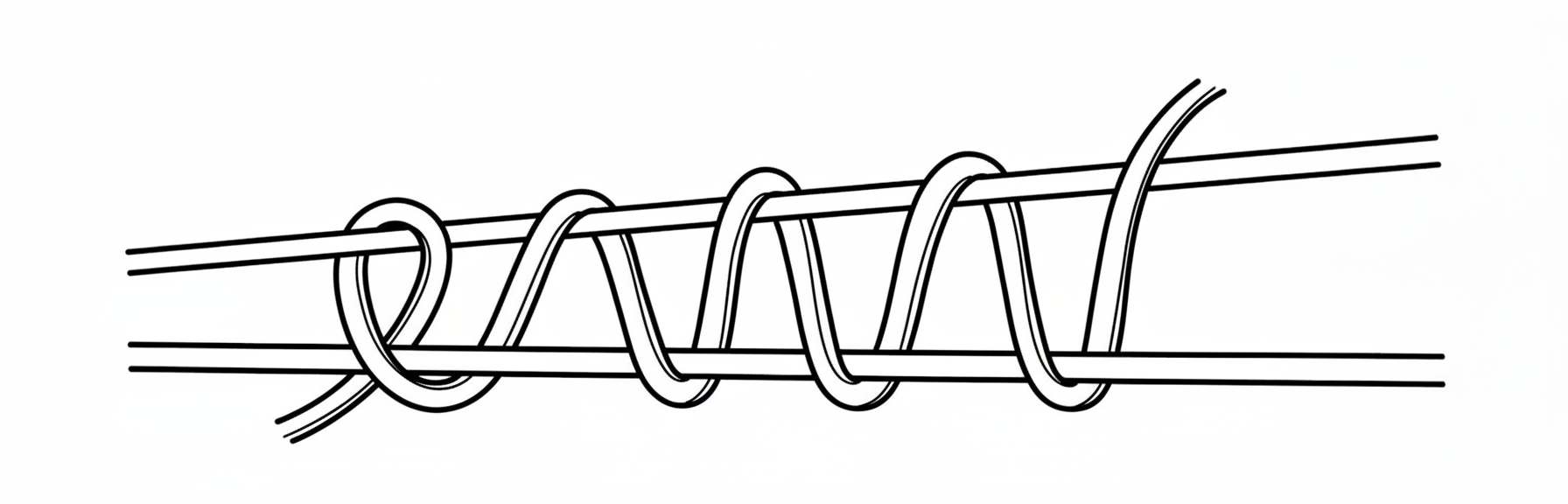
Common styles include: English, Dutch, Egyptian, single, double, parted, and crepe – these vary depending on the weave of the hair and the number of strands (see image).
Density depends on the density of the strands and the quality of the weave.
The peculiarity of doll tresses is primarily the density of hair strands, the diameter of the hair, and the peculiarities of the placement of strands on the wig cap.
In addition, for dolls, it is better to use soft materials: mohair, wool, European-type human hair. For antique dolls, only natural materials; for others, they can be synthetic (kanekalon, acrylic, viscose).