
Before Fashion Magazines: Dolls as Ambassadors of Style
Before fashion magazines, runway shows, and advertising campaigns, there were fashion dolls.
This section of Doll Dressing is especially close to my heart. It explains something doll collectors and restorers know well. A surviving fashion doll is not merely a beautiful antique. She is often a complete document of dress history.
From Ancient Roman Tombs to European Courts
The exhibition begins much earlier than nineteenth-century French bébés. Archaeologists have found more than five hundred dolls in ancient Roman tombs of young girls. Made of ivory or bone, with adult bodies and articulated limbs, they already resemble later fashion dolls. Their textile clothing rarely survived, but jewelry and carved shoes remain, proving that fashionable appearance mattered even in the earliest forms of doll play.
By the sixteenth century, fashion dolls had become true messengers of style. They traveled between European courts, particularly in Italy, England, and France, carrying the newest silhouettes, accessories, fabrics, and decorative ideas. Dressmakers could study these miniature figures and translate their garments into full-size clothing. Long before fashion magazines, they were the true ambassadors of fashion.
The Extraordinary 1770s Fashion Doll
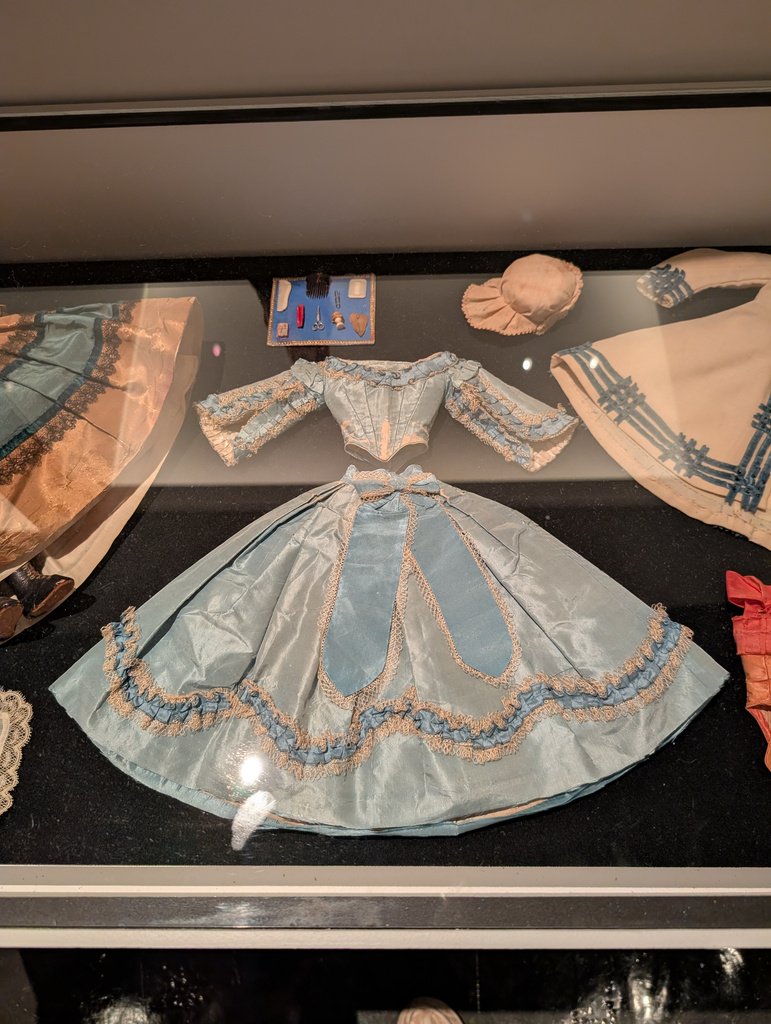
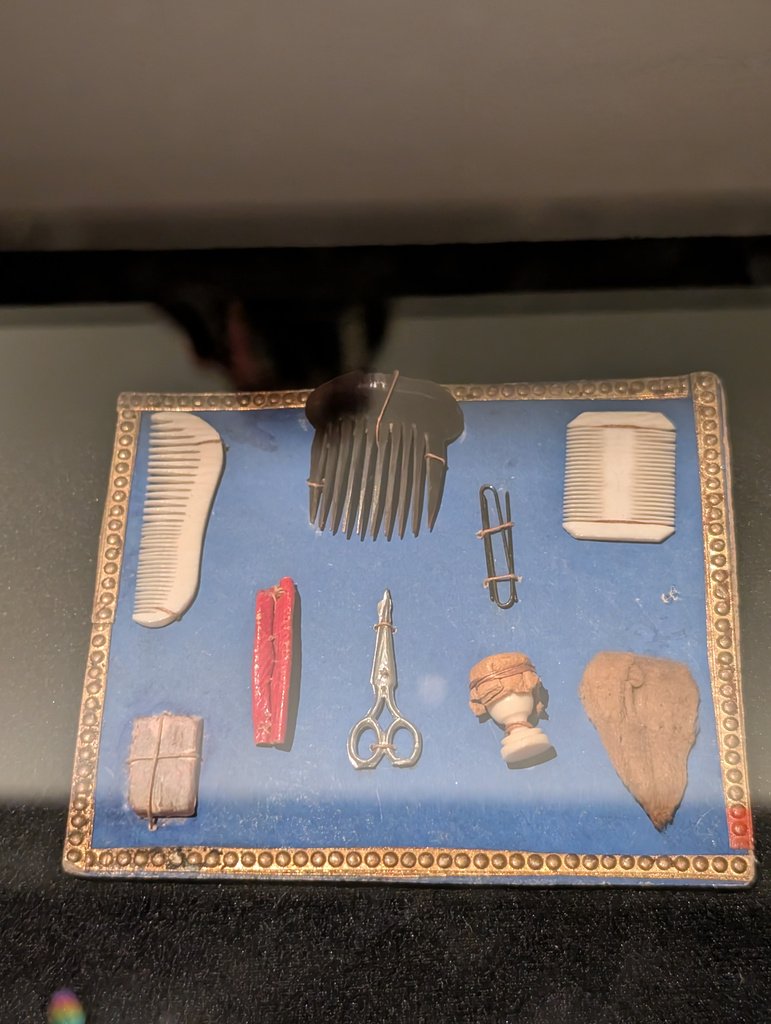
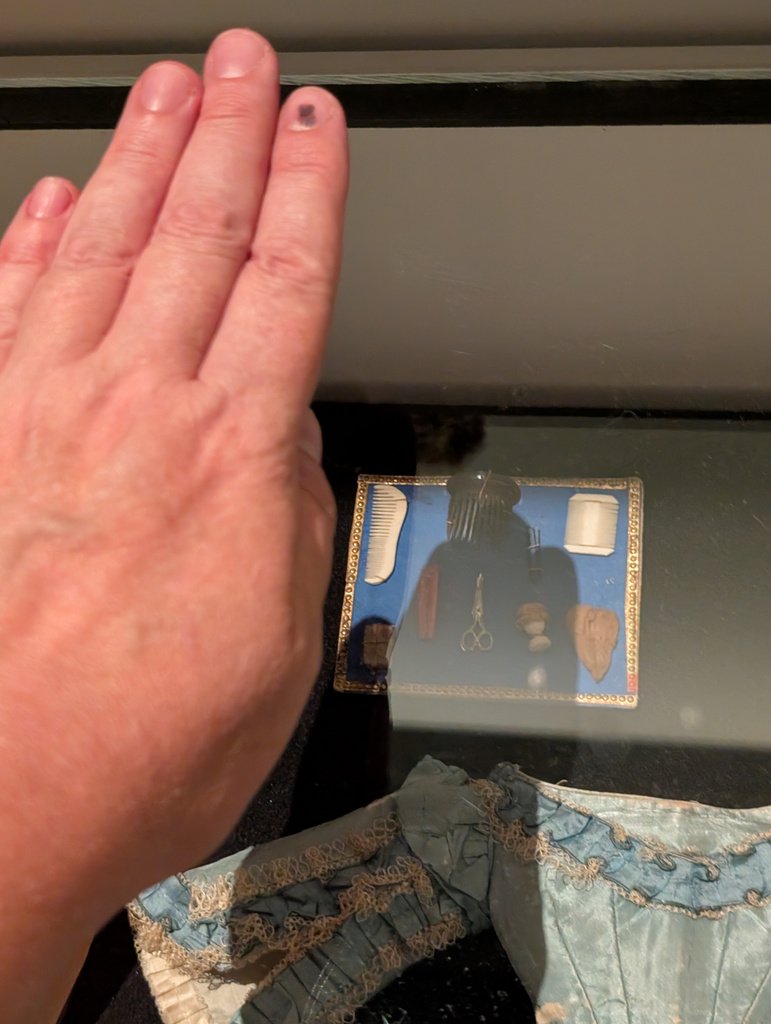
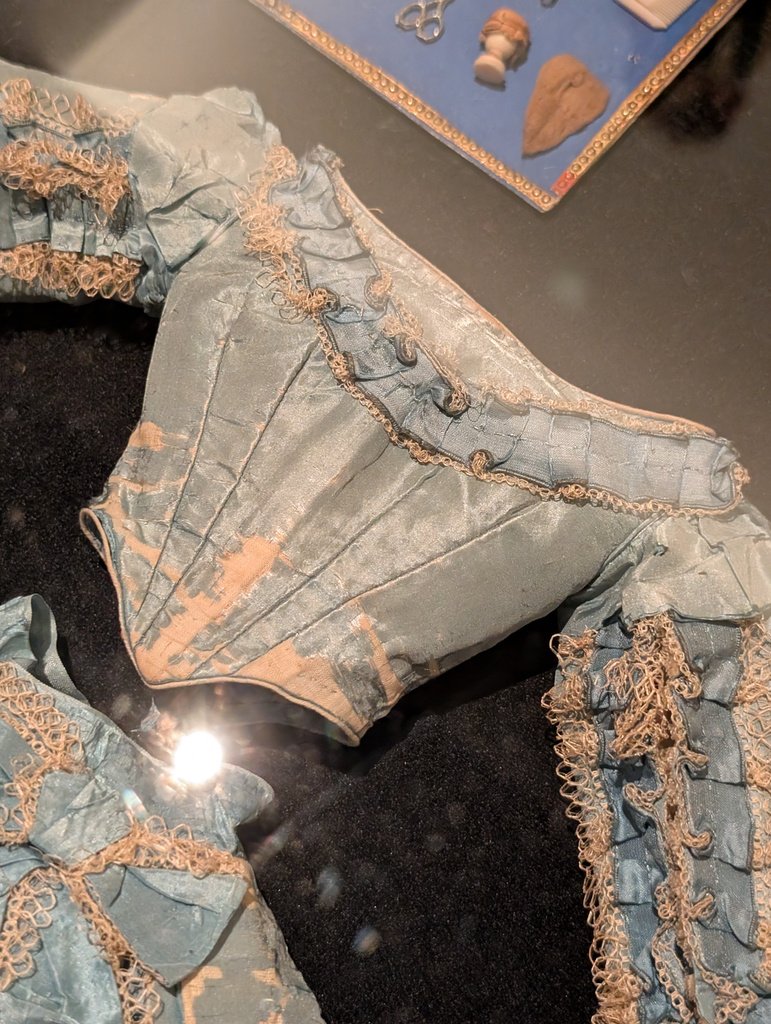
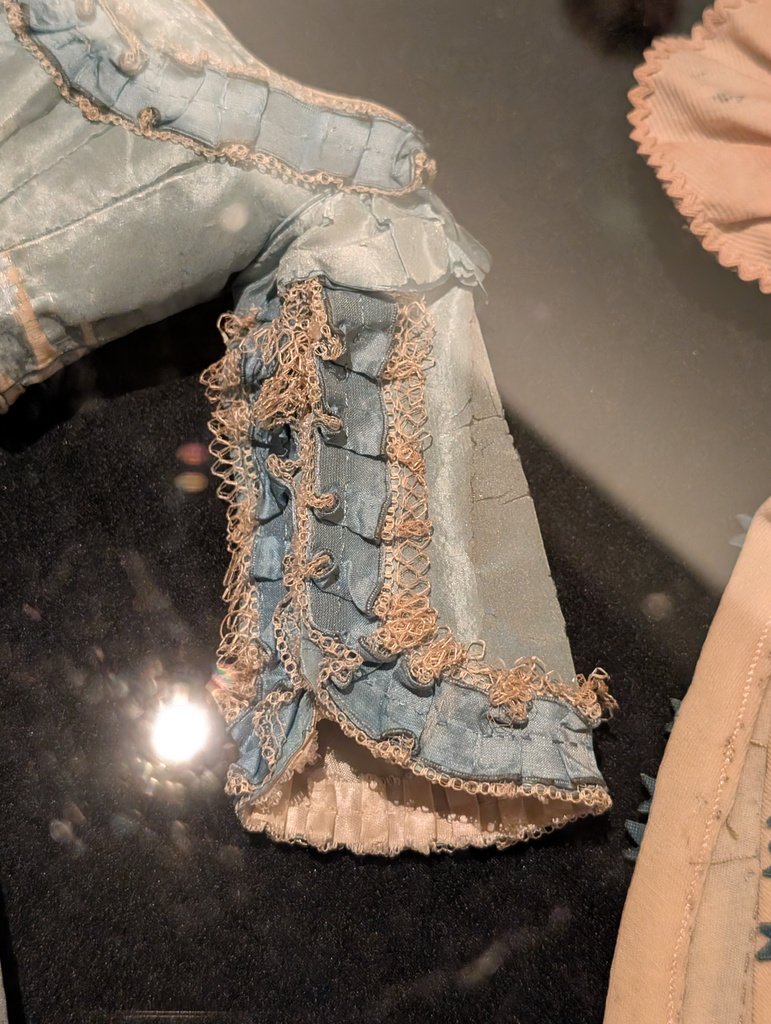
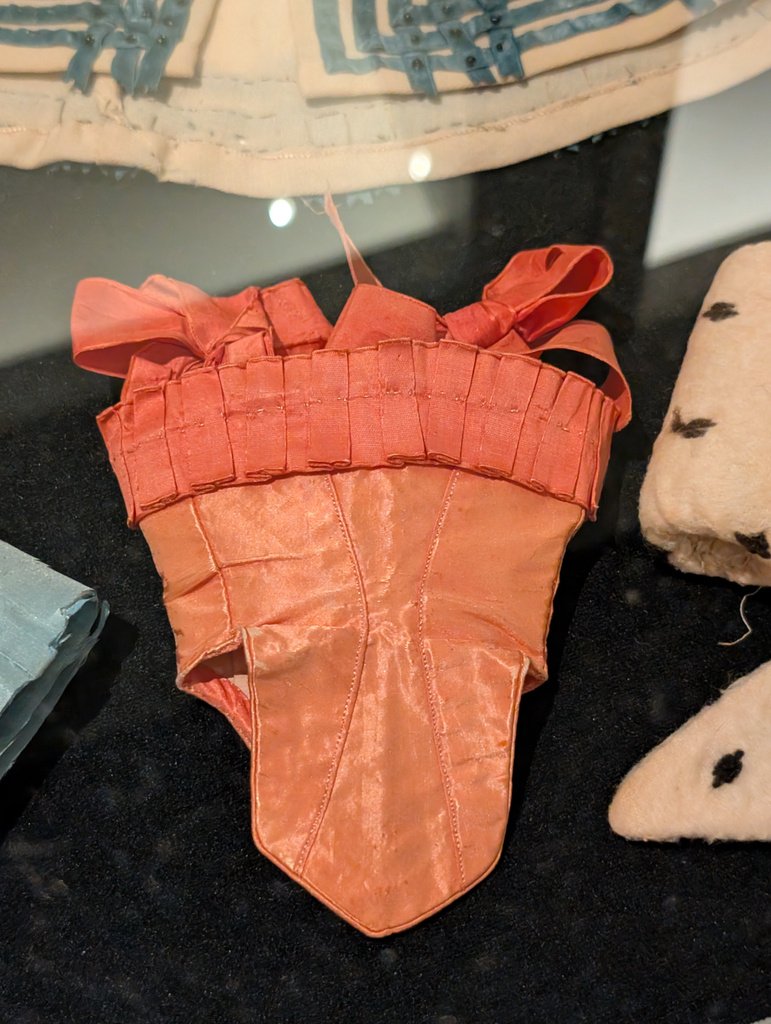
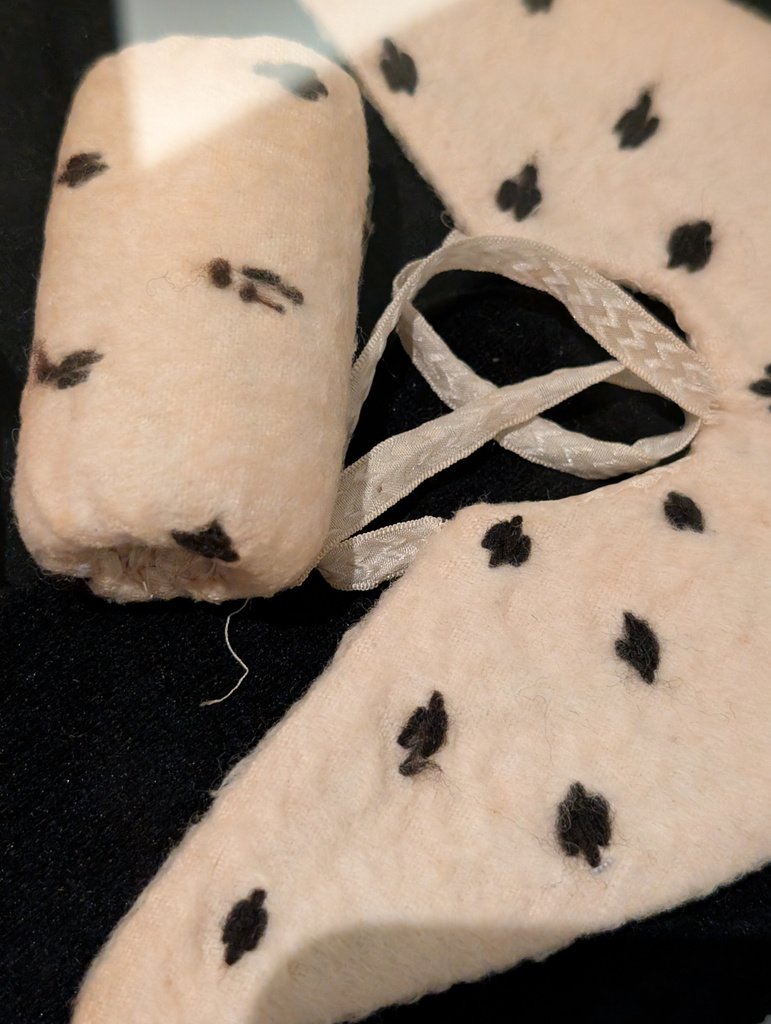
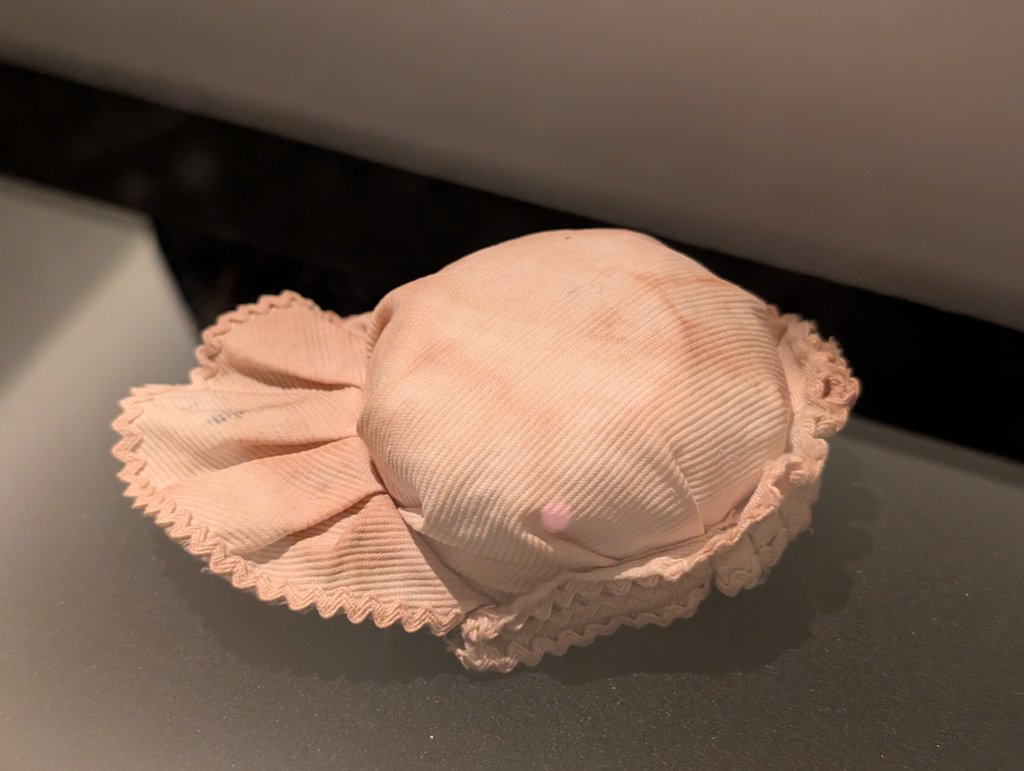
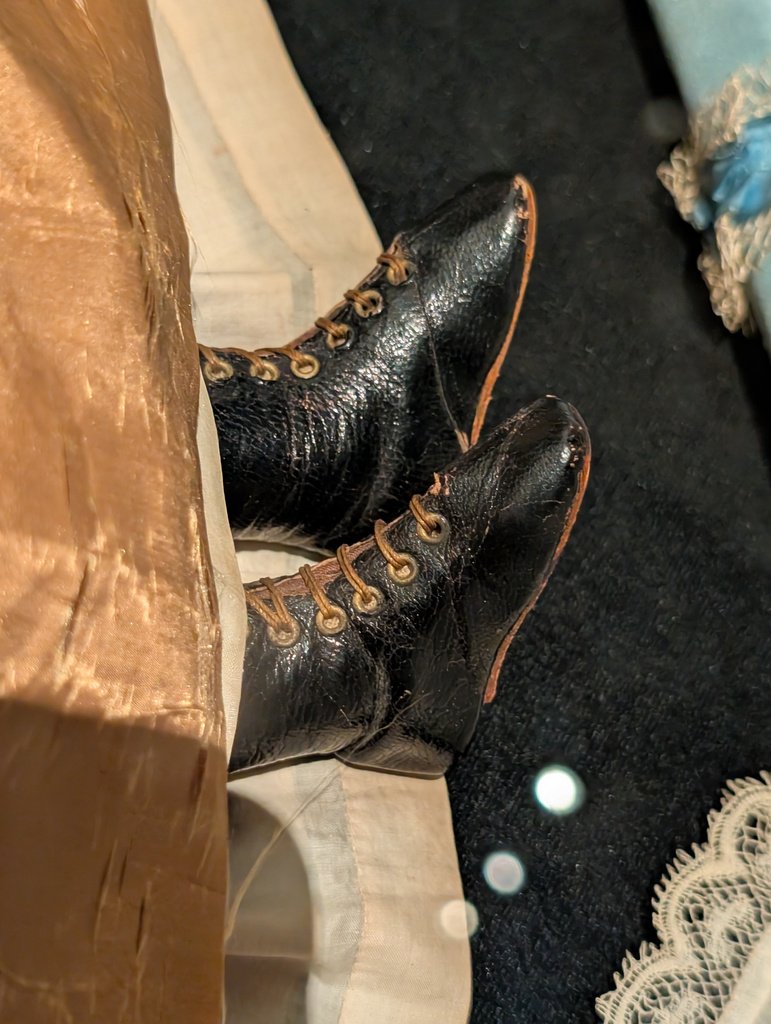
One of the most remarkable objects in the exhibition is a late eighteenth-century fashion doll, dated 1770–1775. Made of wood, gesso, glass, and human hair, she survives complete with her undergarments, accessories, and pale blue silk gown.
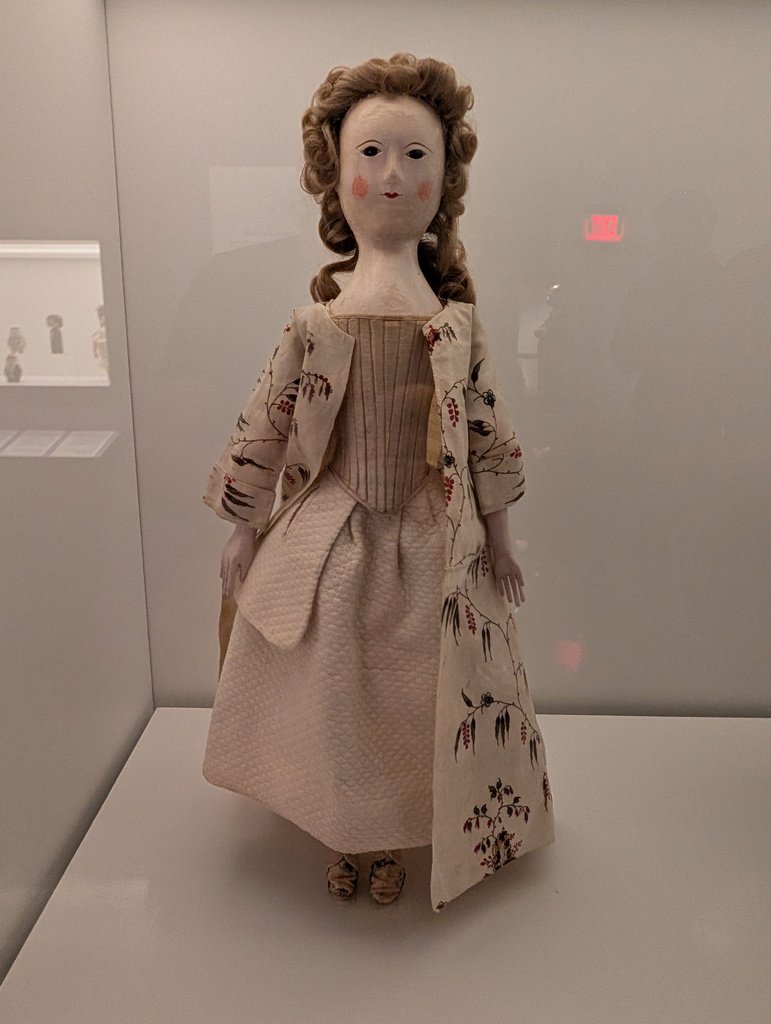
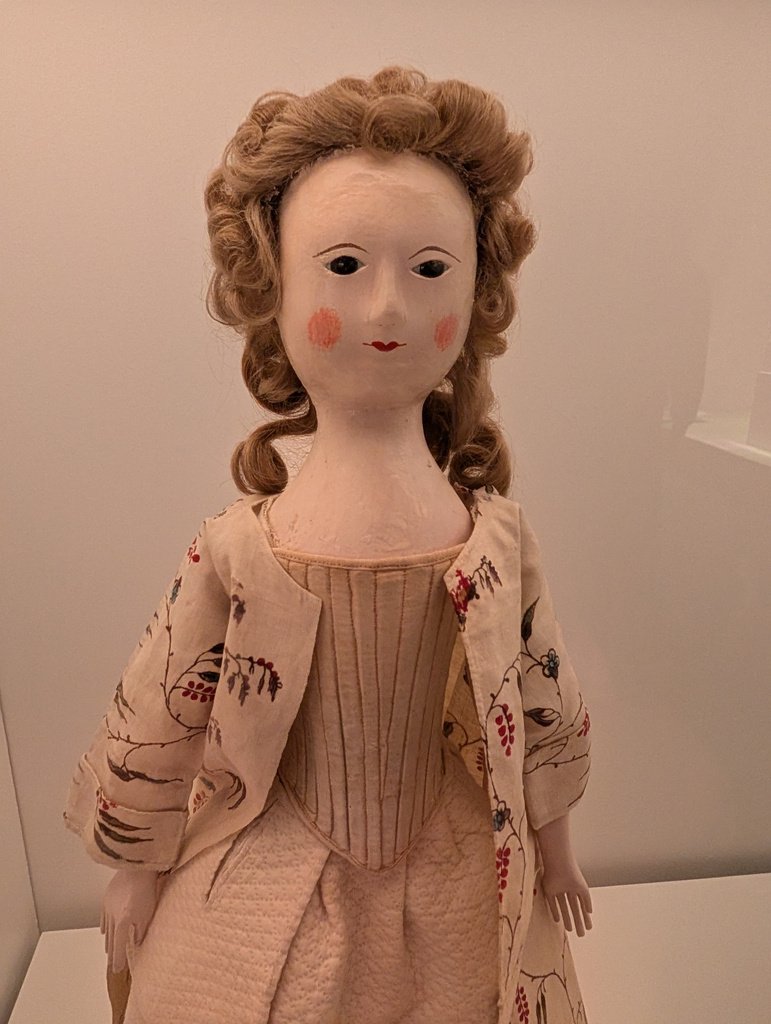
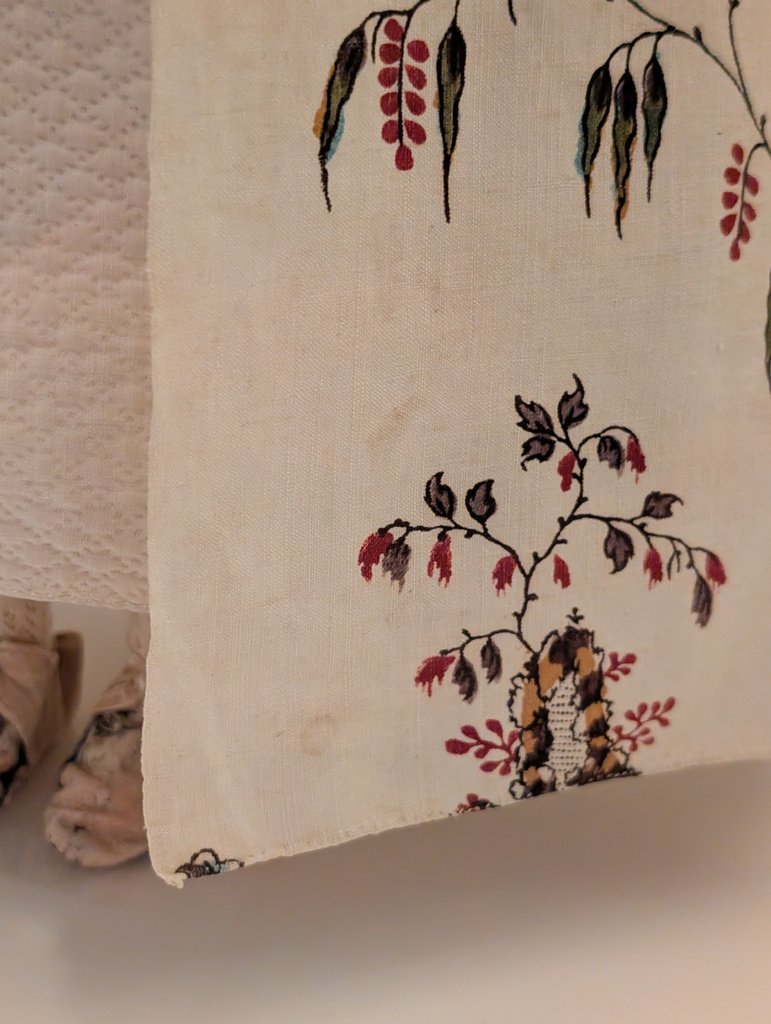
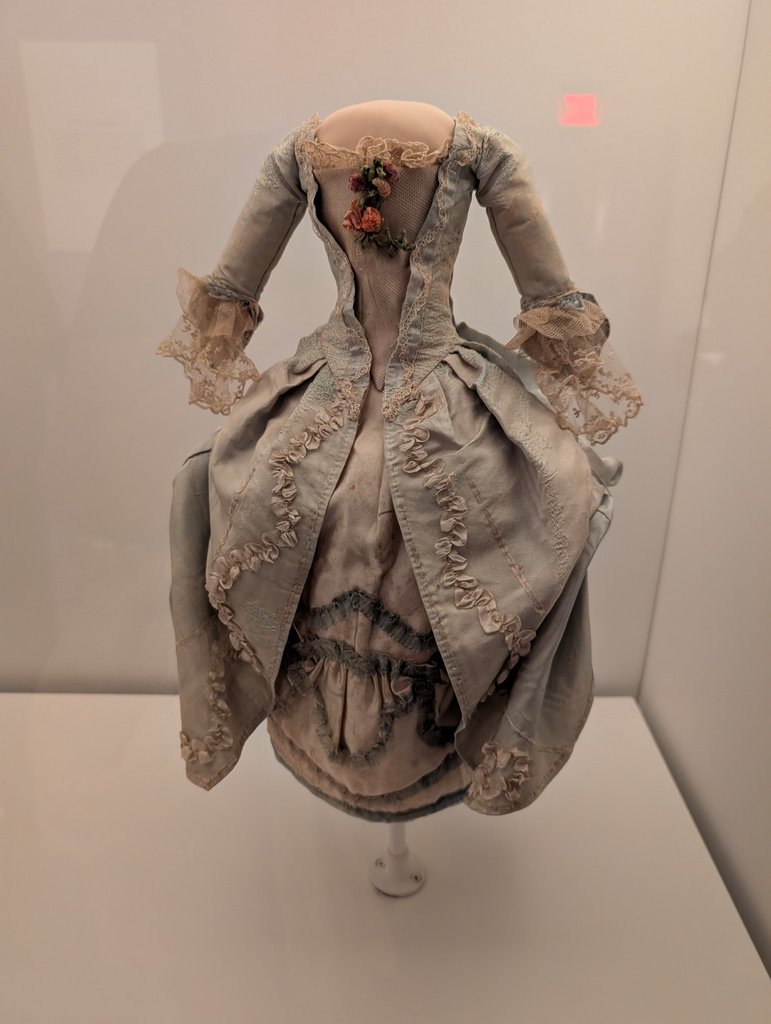
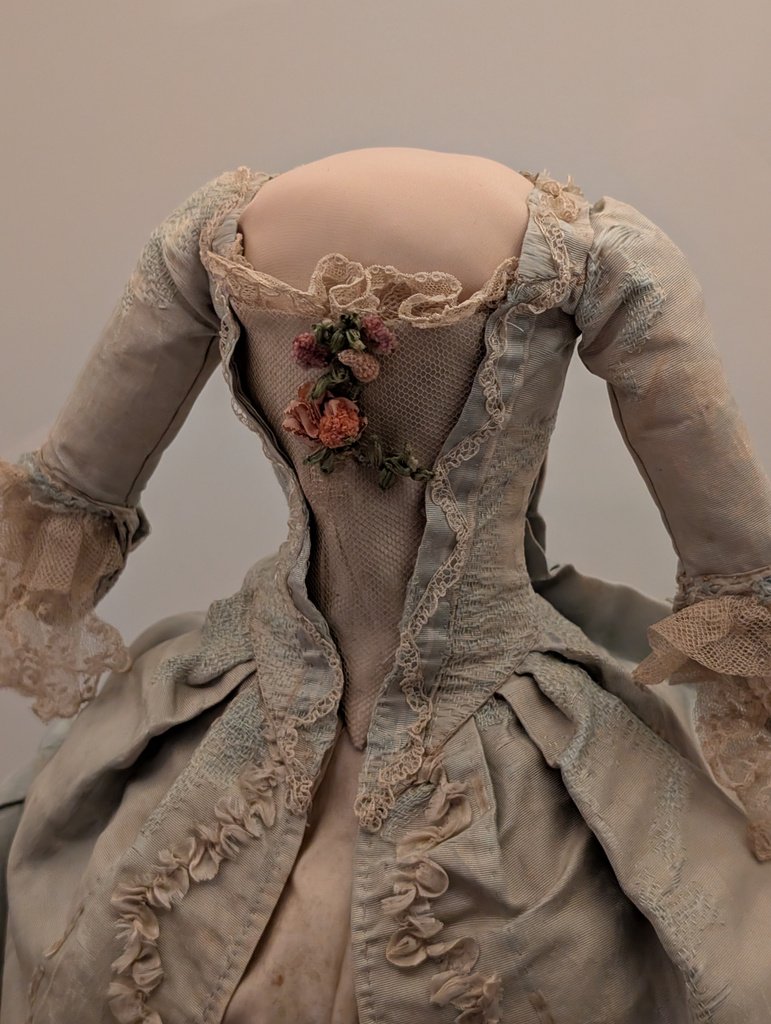
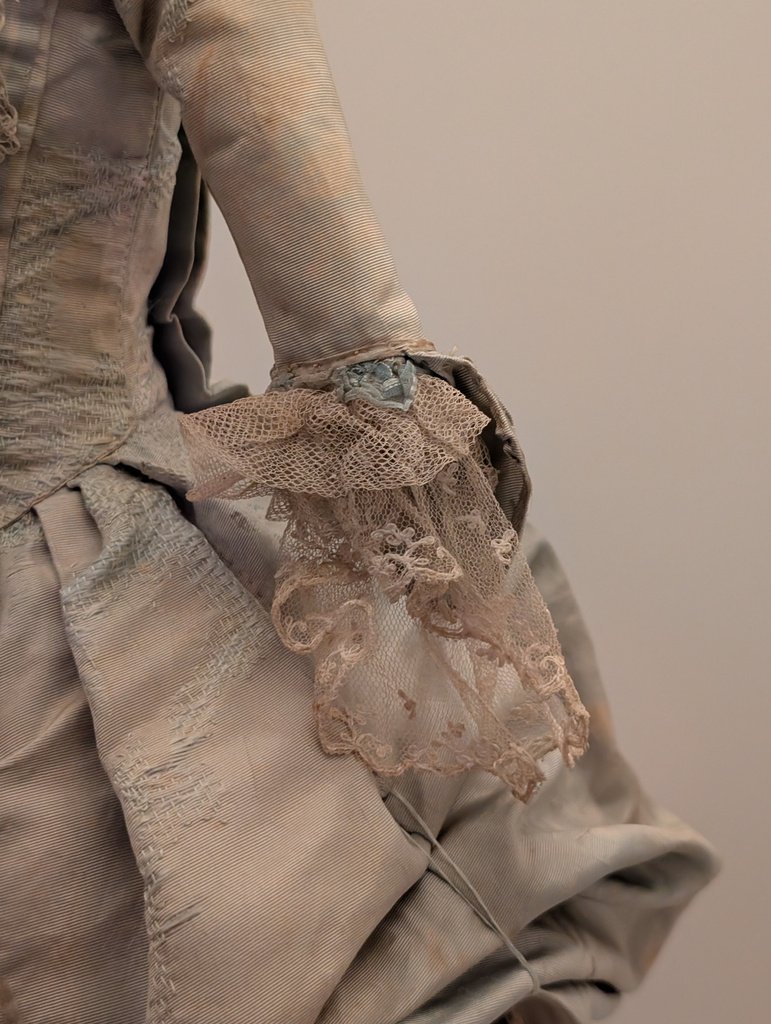
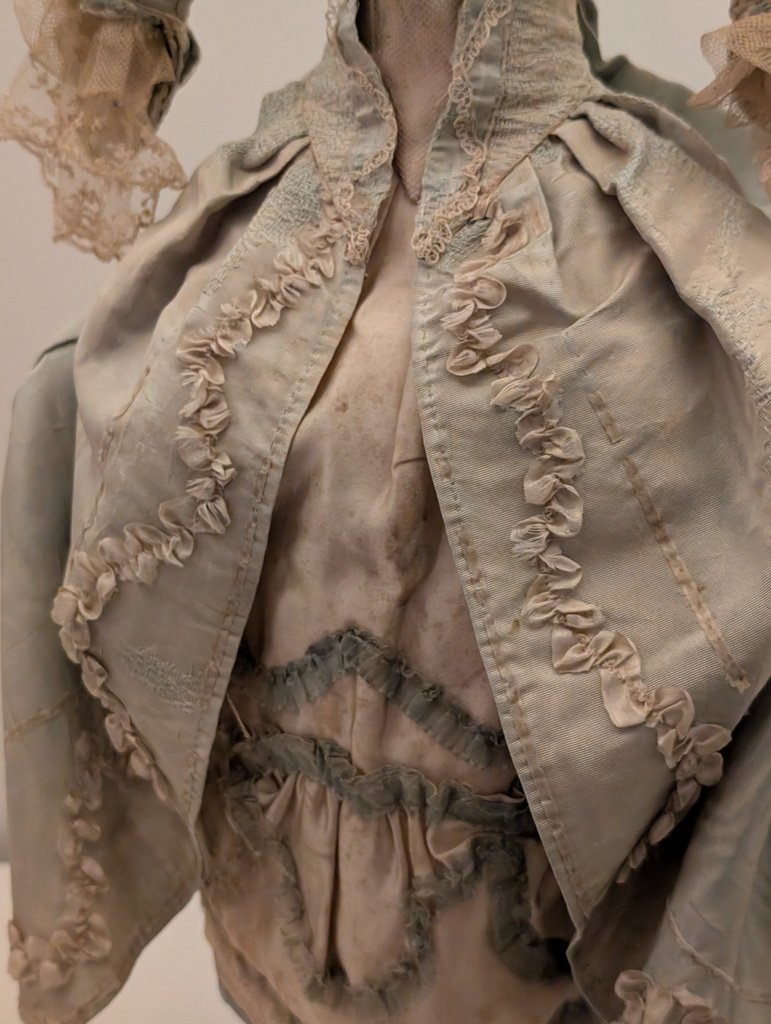
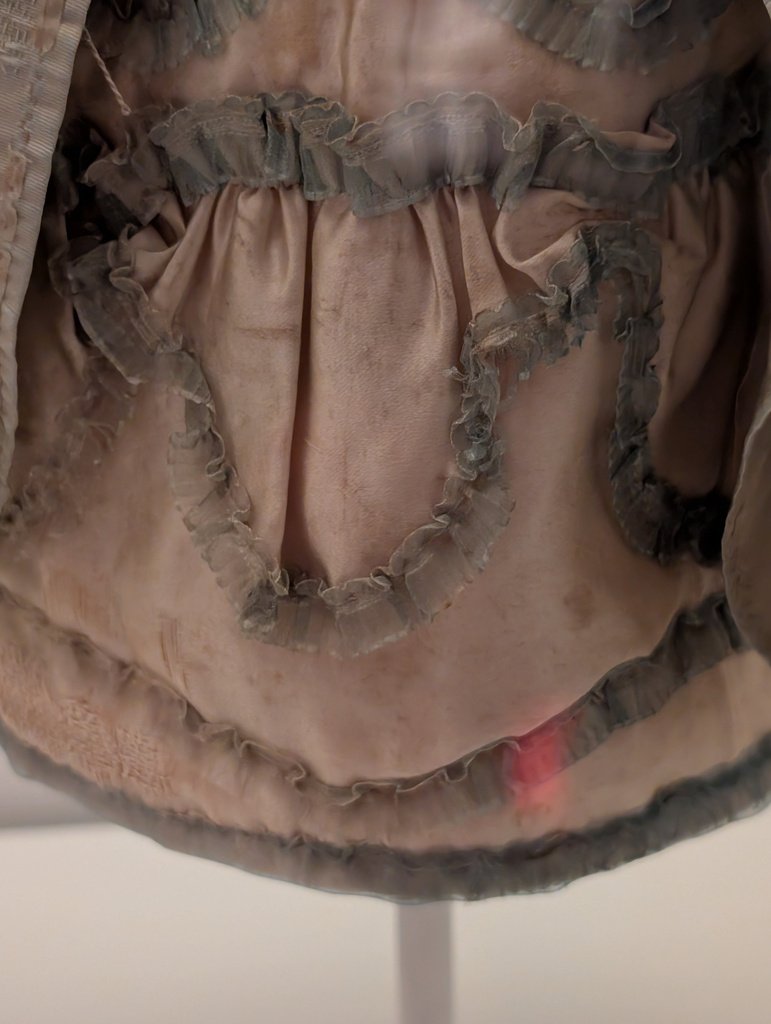
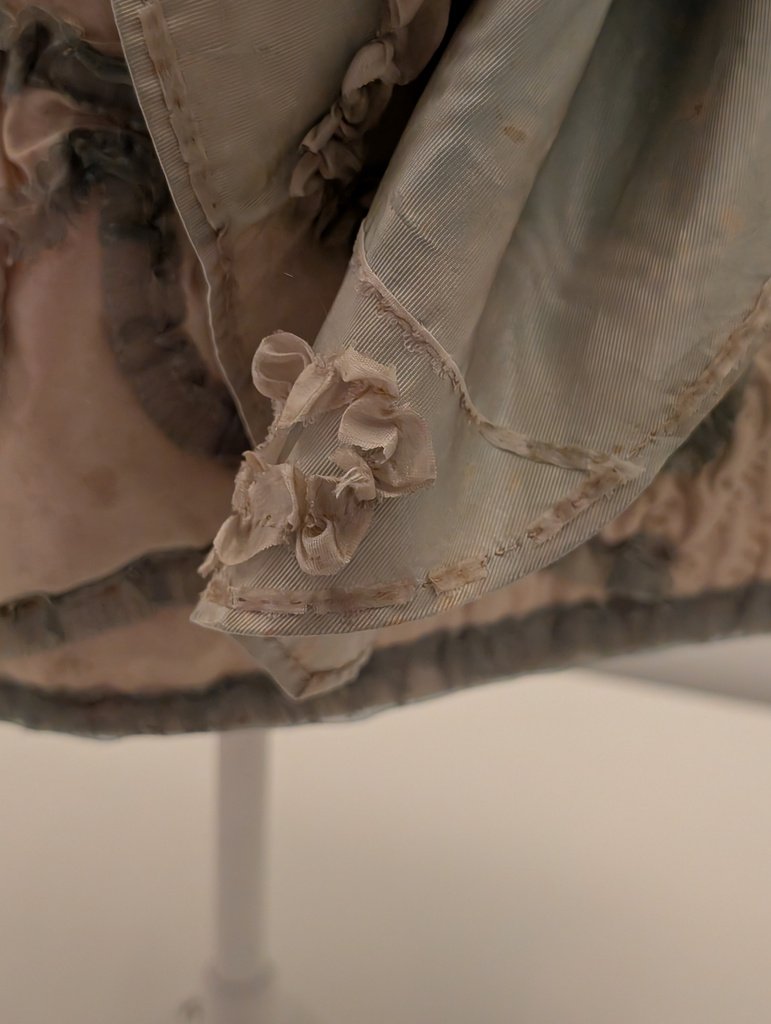
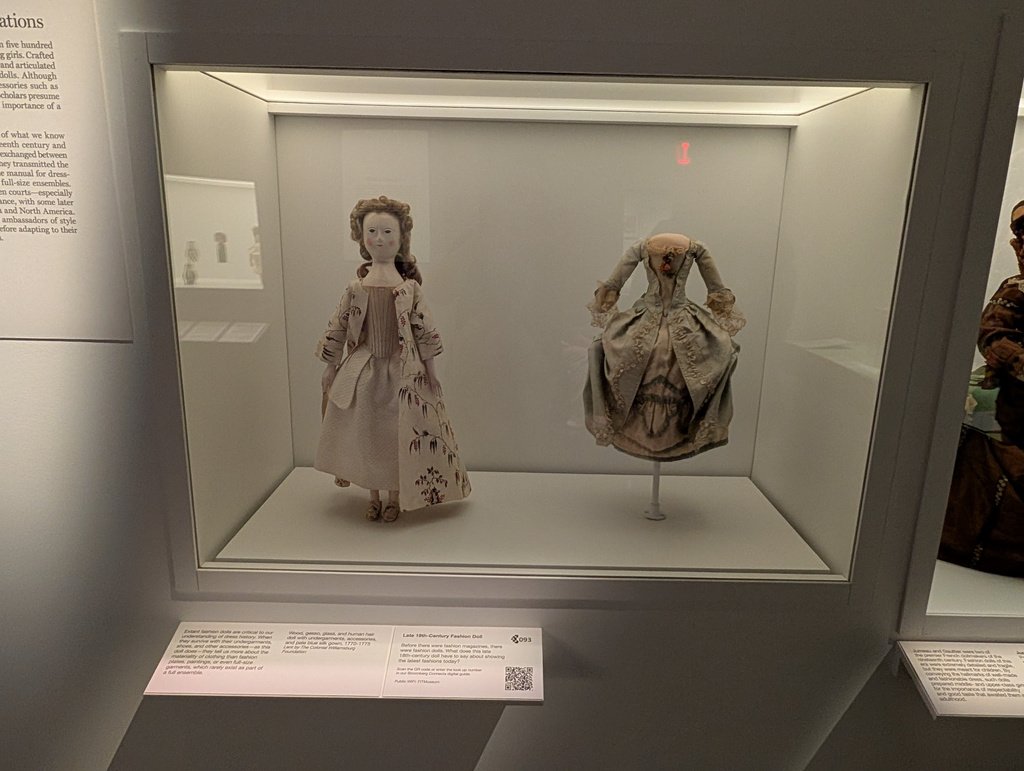
Such complete dolls are invaluable because they preserve the whole story: not only the outer dress, but also the structural layers beneath it, the shoes, and the small accessories that usually disappear over time. When fashion dolls survive with their original wardrobes, they tell us far more about the material reality of dress than fashion plates, paintings, or even surviving adult garments.
19th-Century Masterpieces and Civil War History
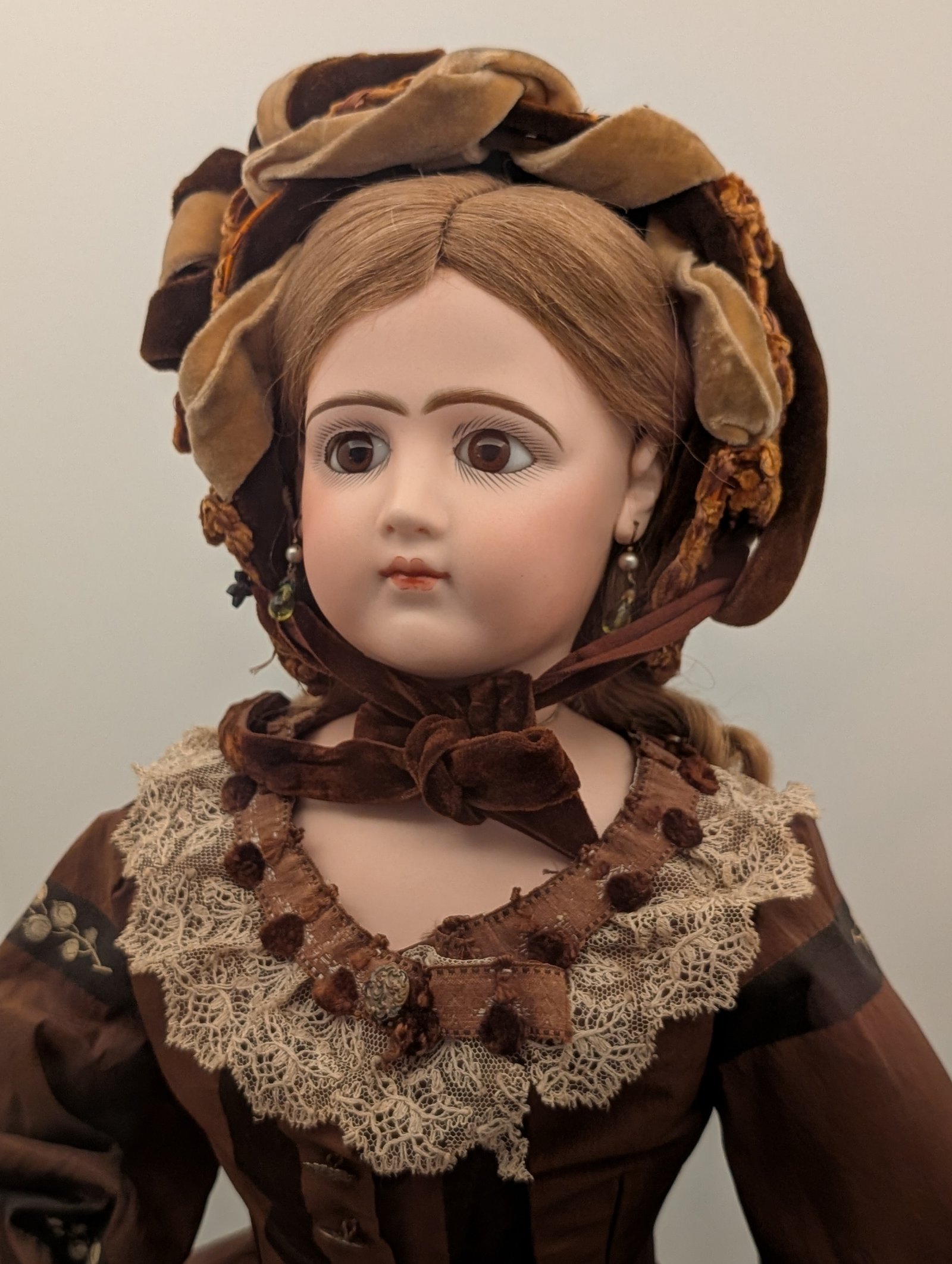
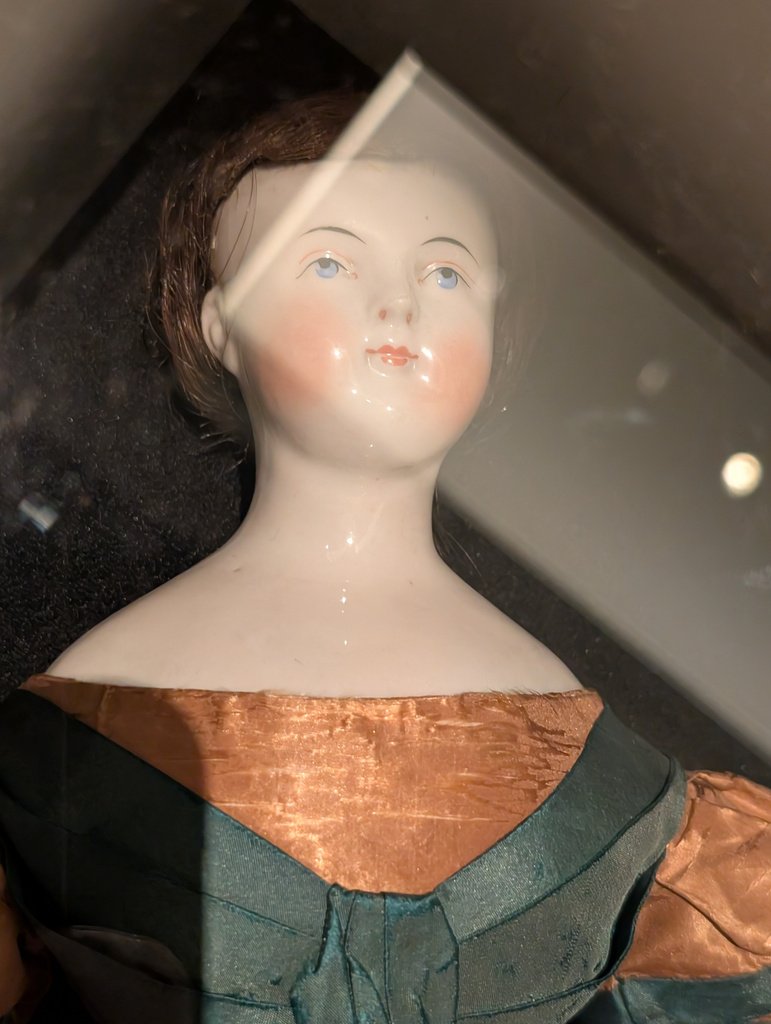
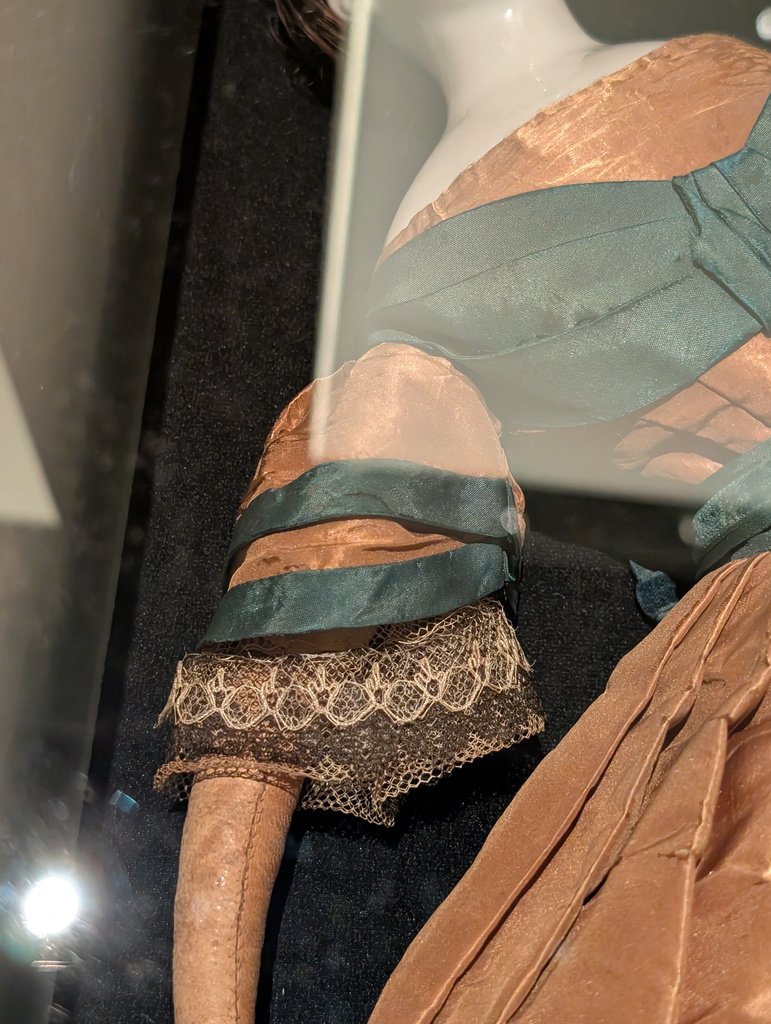
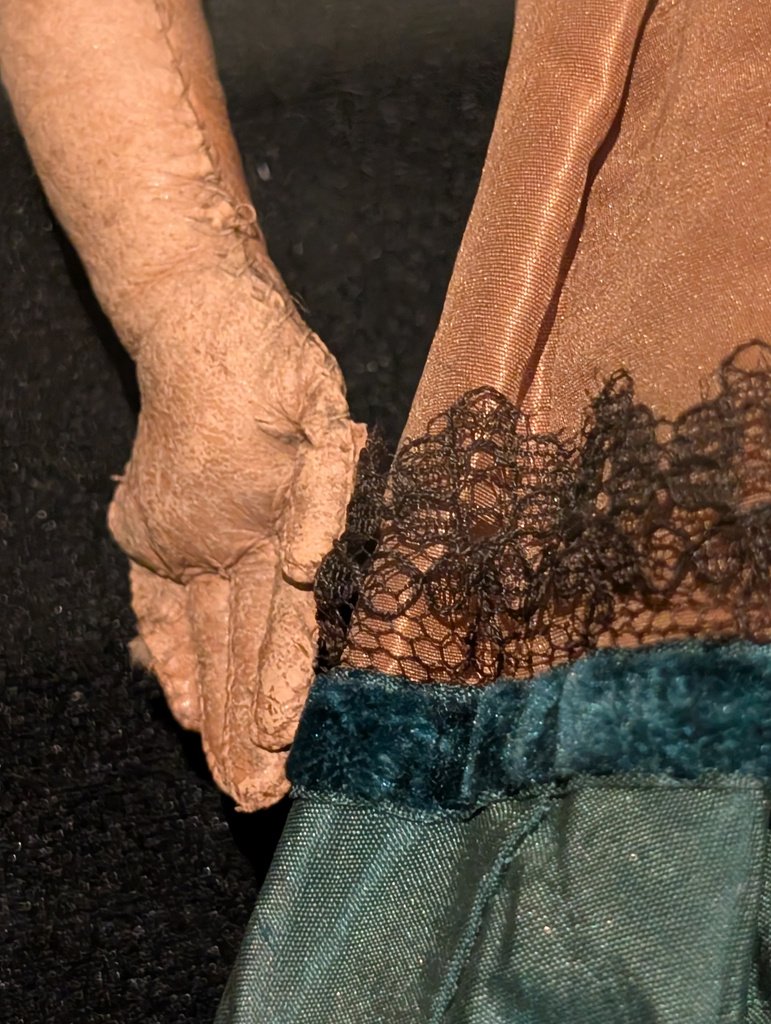
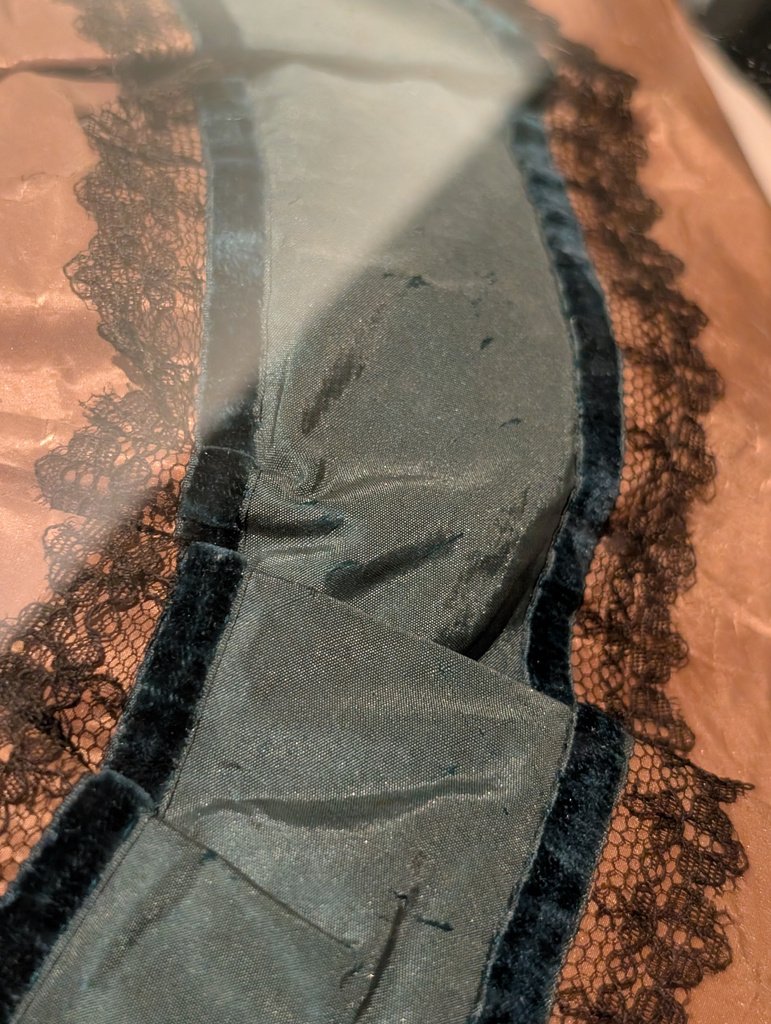
The exhibition also includes two outstanding nineteenth-century French fashion dolls on loan from The Strong National Museum of Play:
A Jumeau in a brown silk dress from the early 1870s;
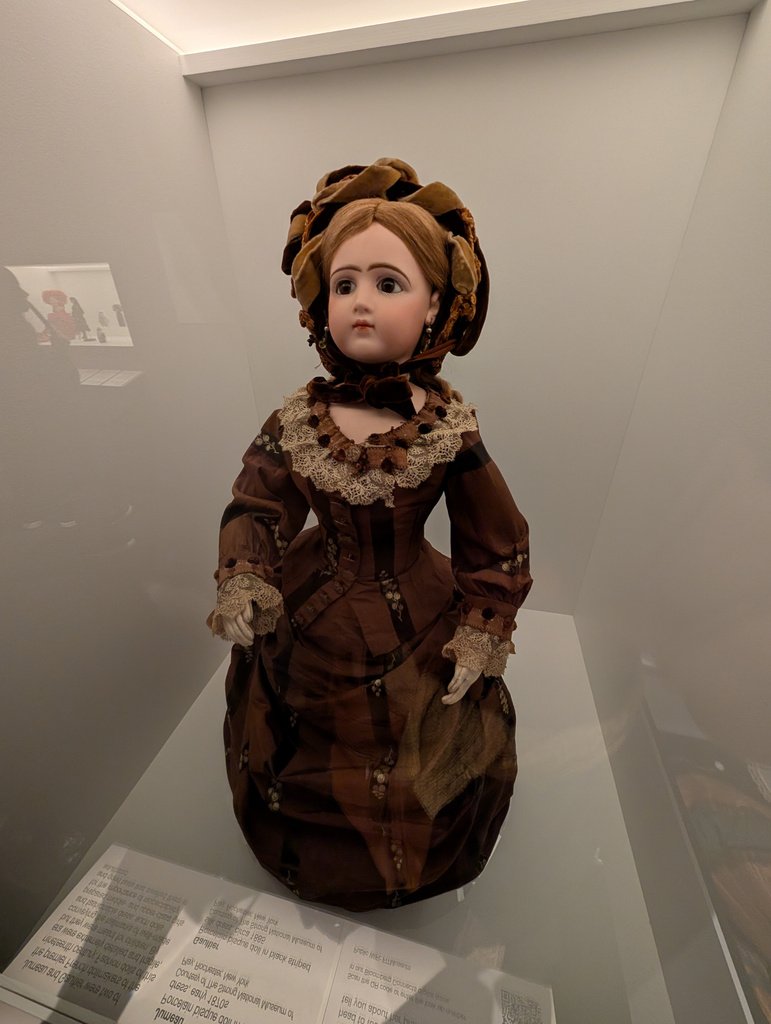
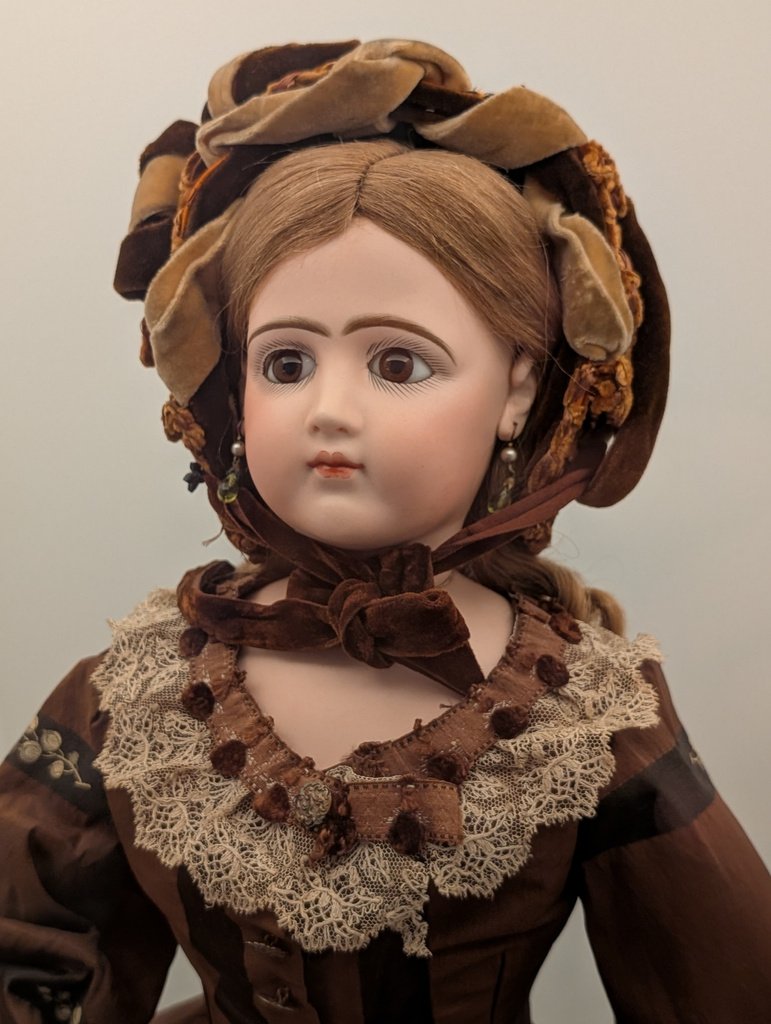
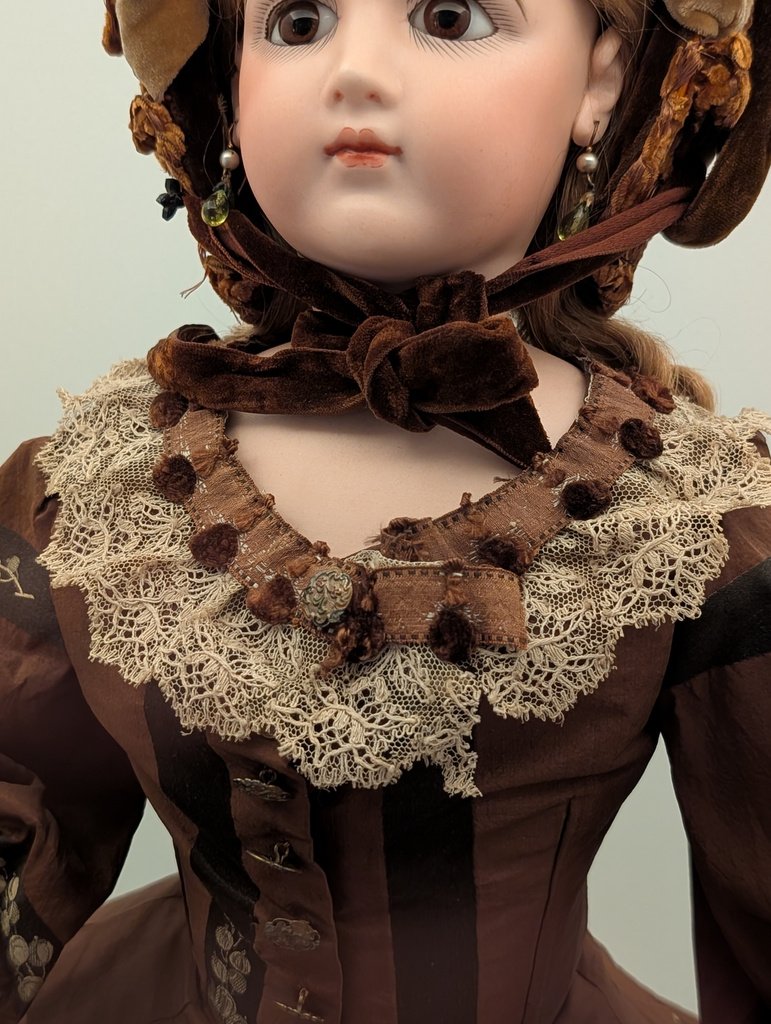
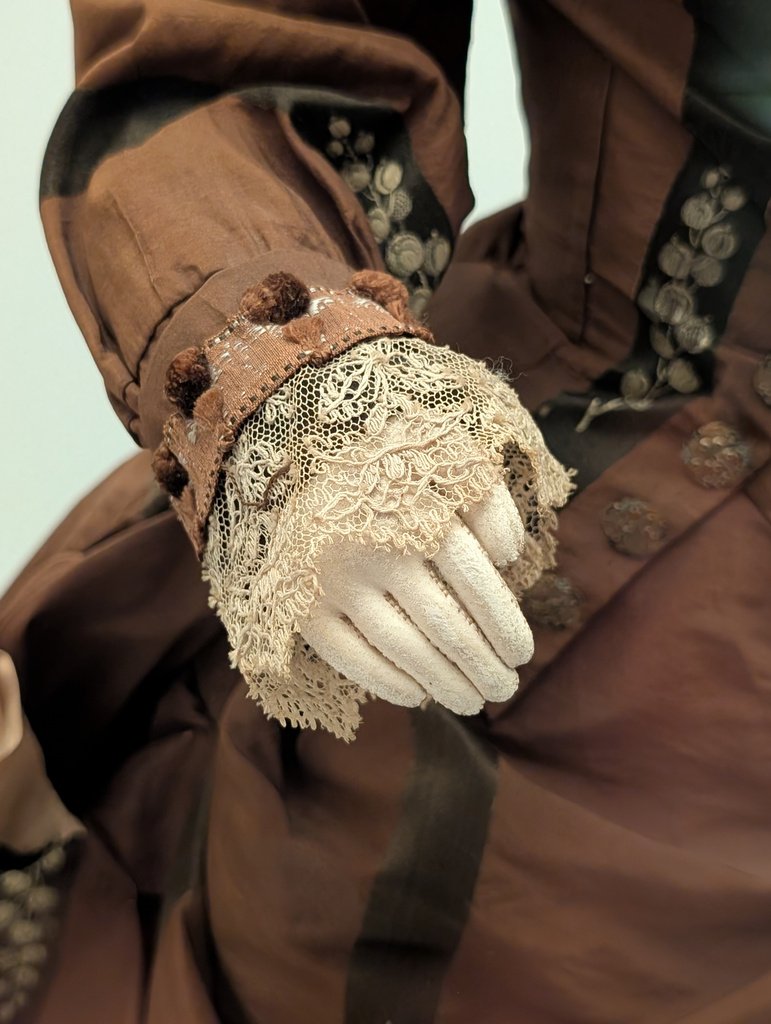
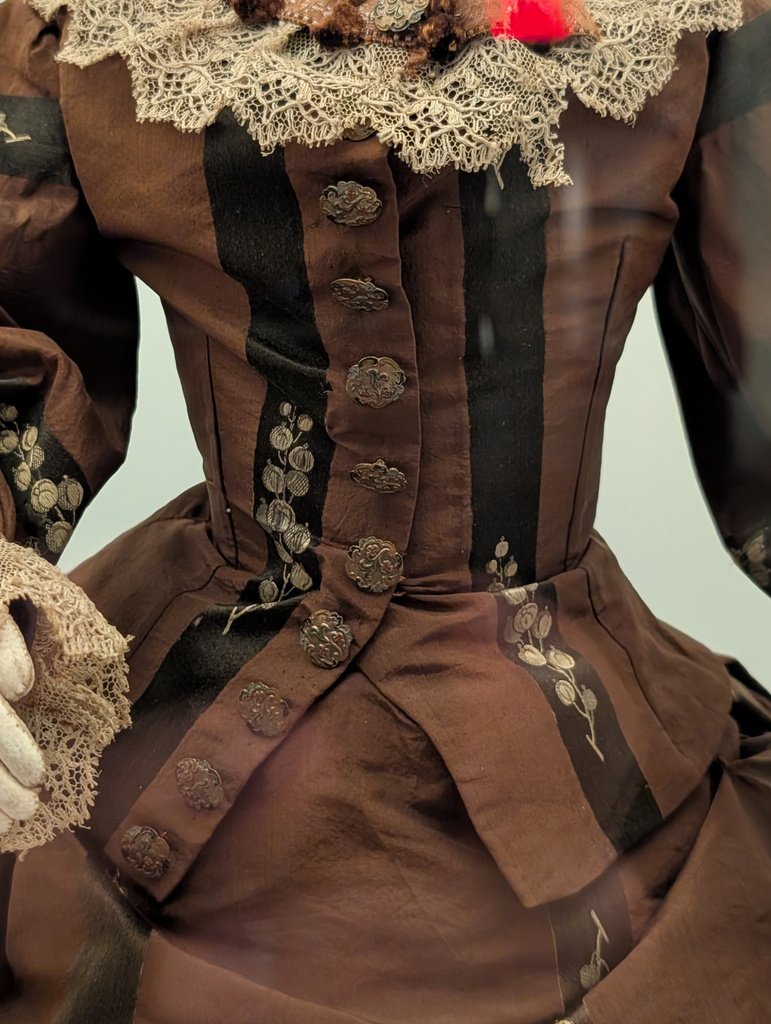
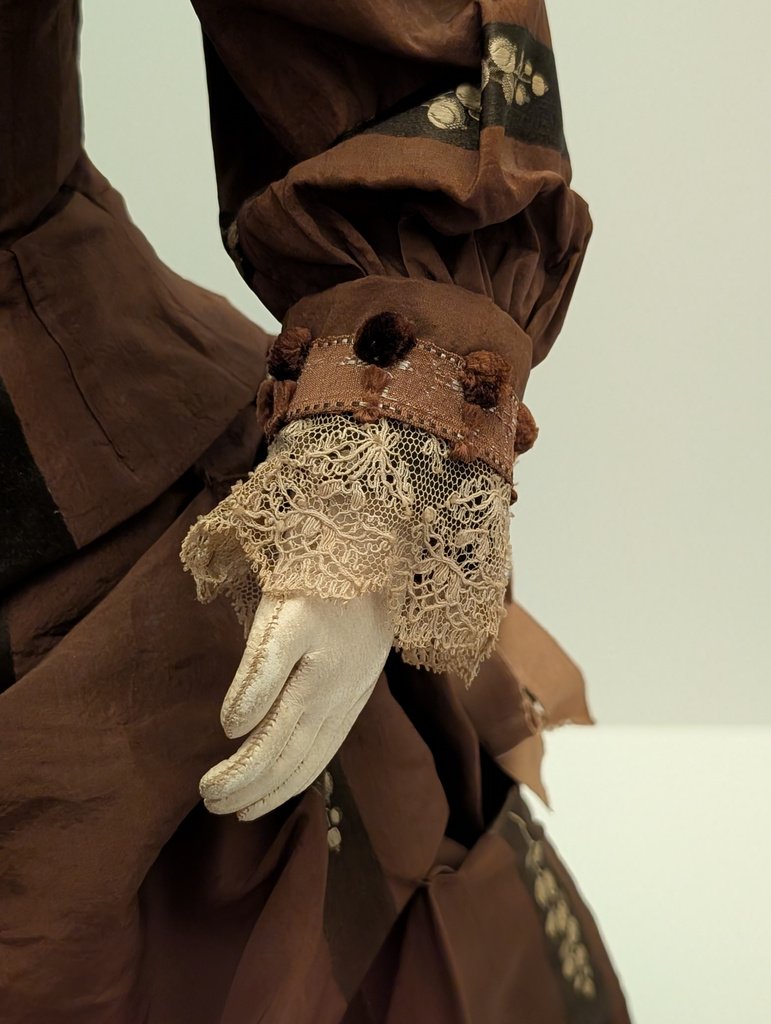
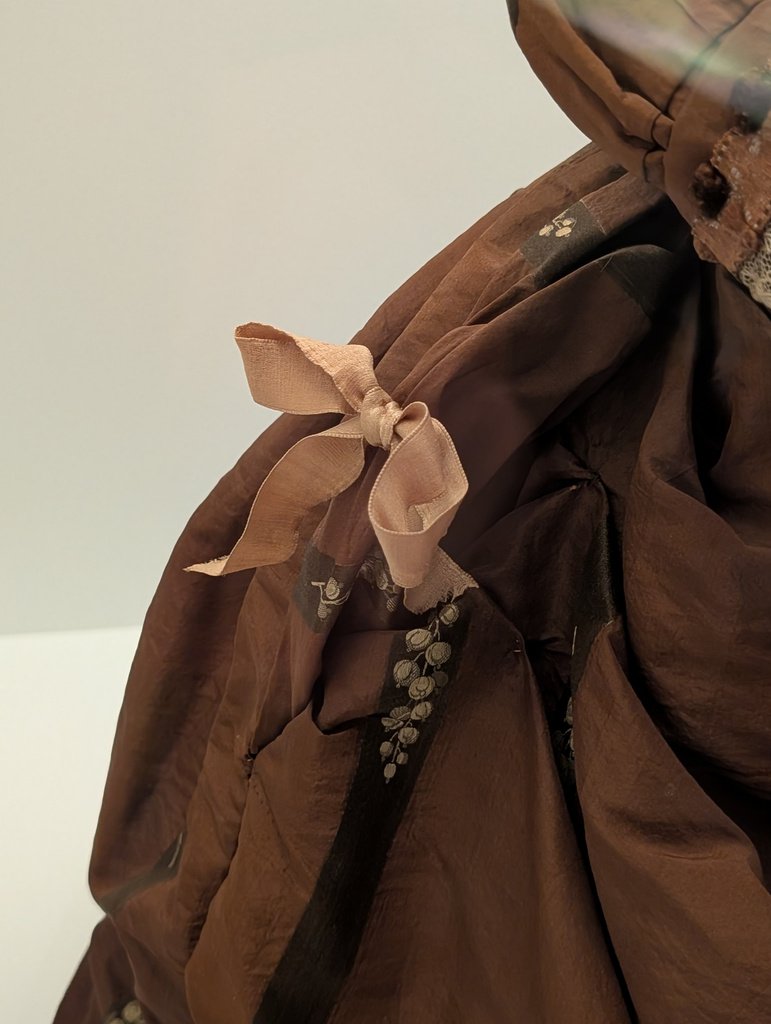
Porcelain bisque doll in brown silk dress, early 1870s
Courtesy of The Strong National Museum of Play, Rochester, New York
A Gaultier in a black striped silk dress from around 1885.
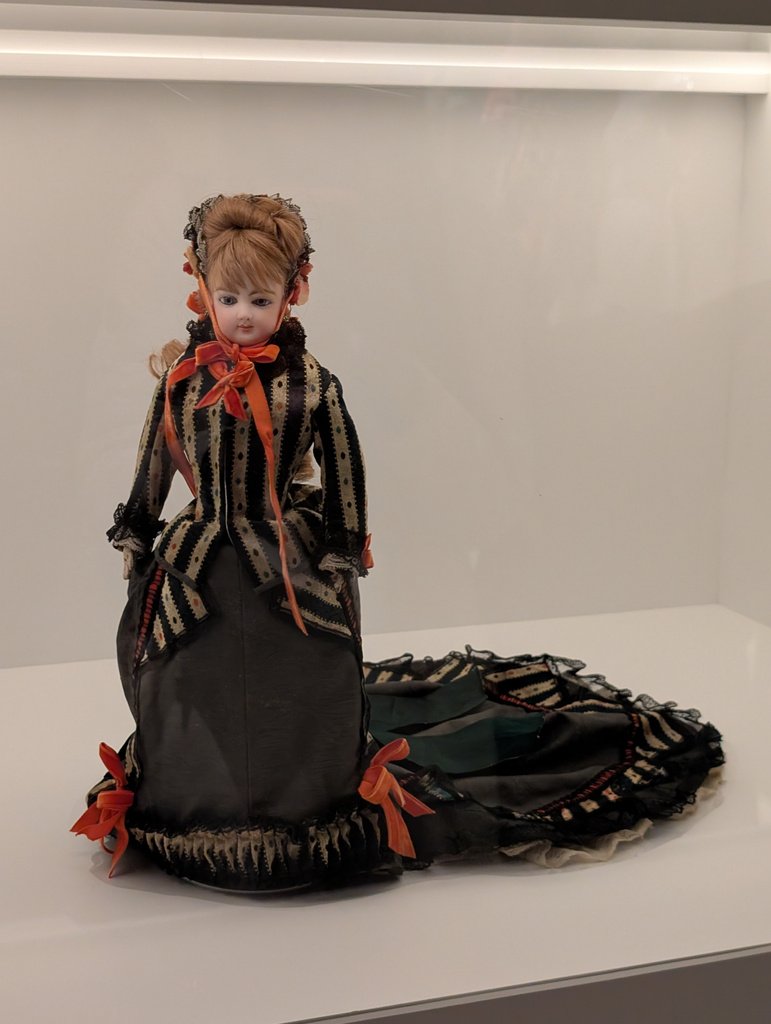
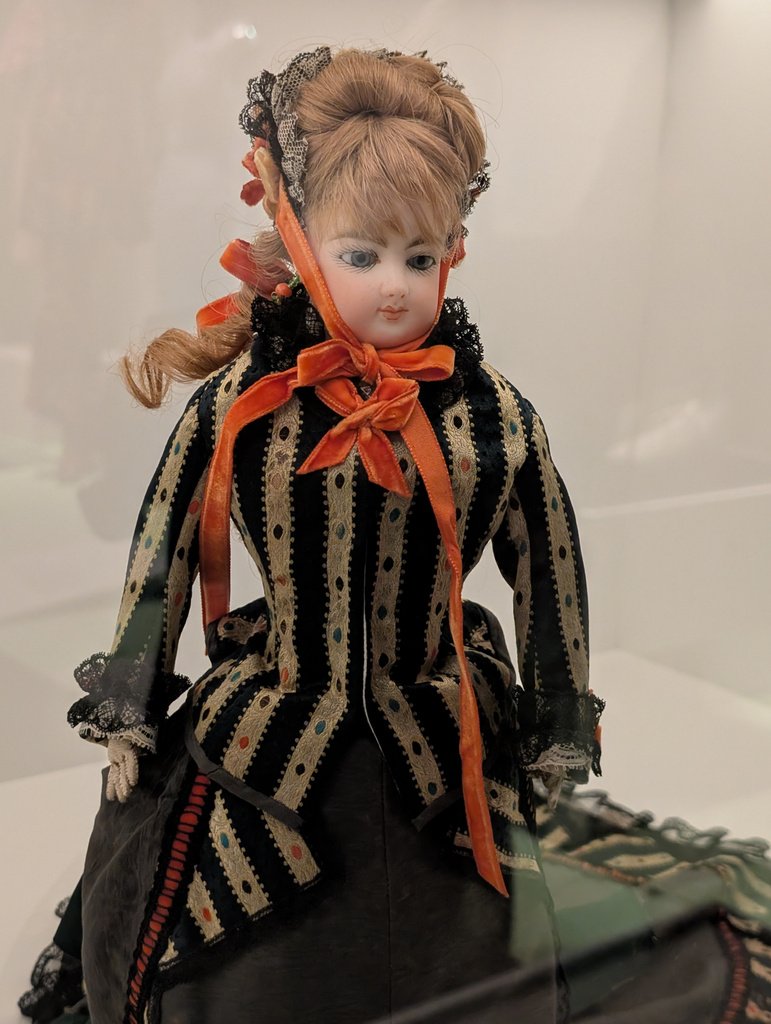
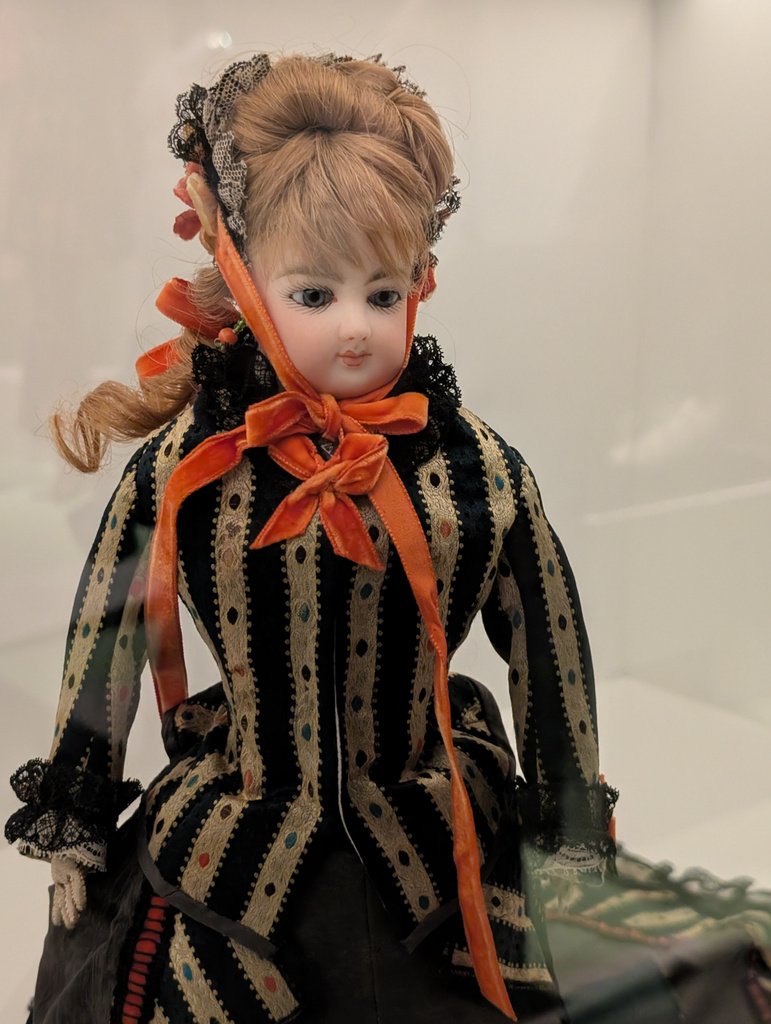
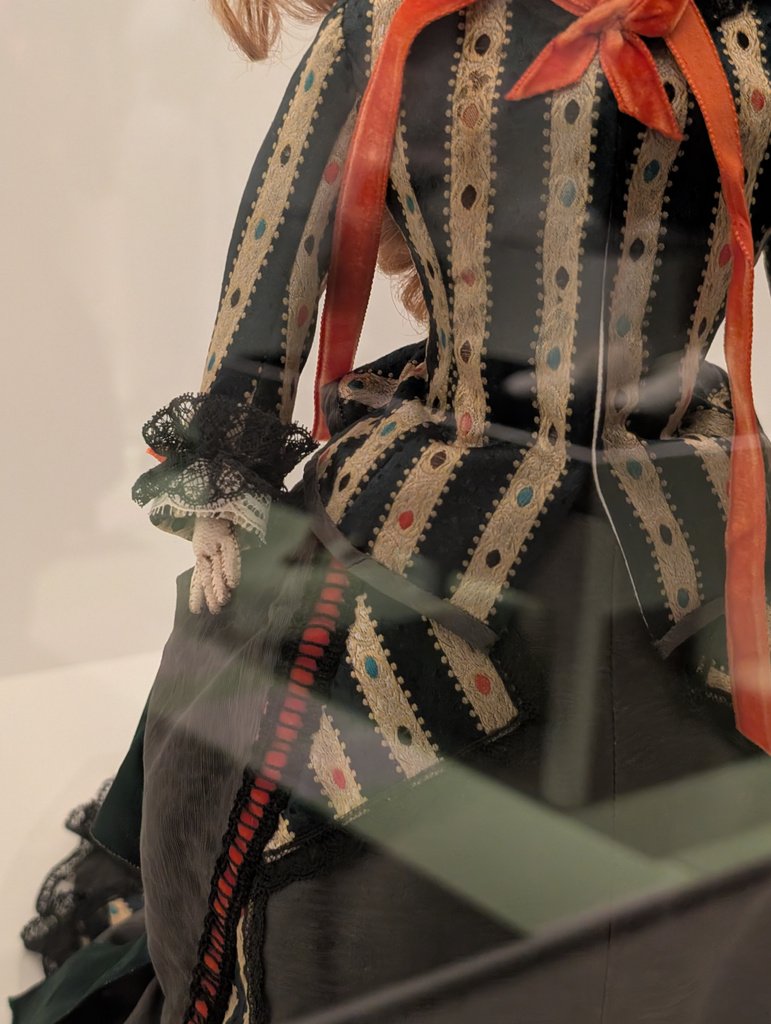
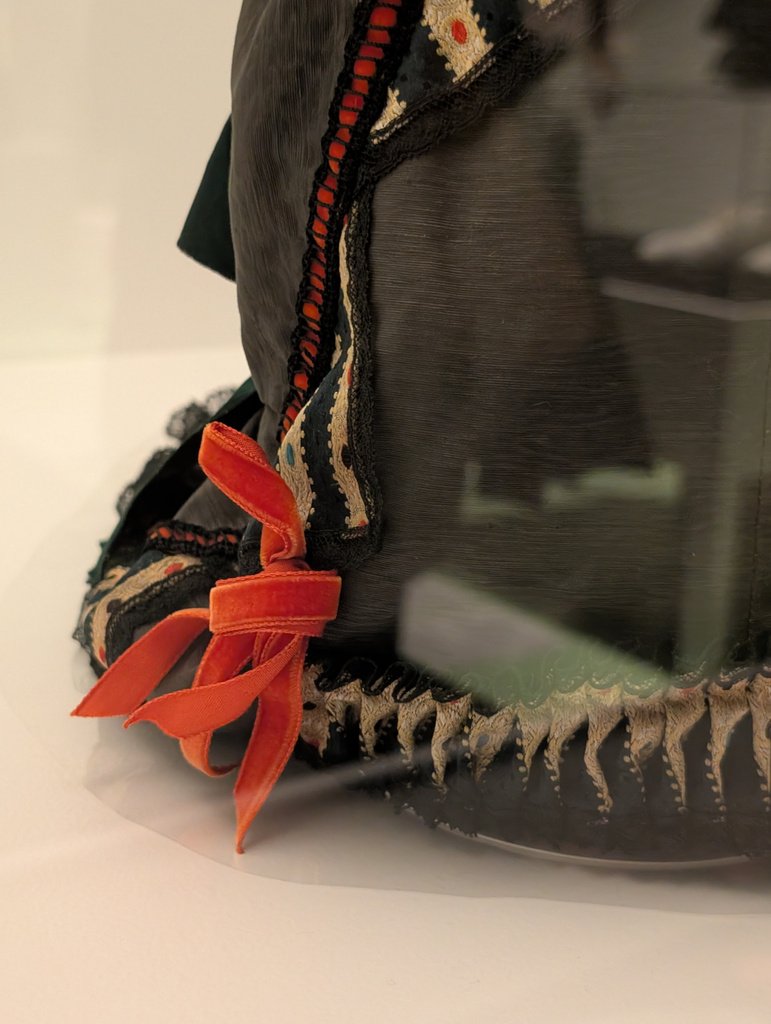
Porcelain bisque doll in black striped silk dress, circa 1885
Courtesy of The Strong National Museum of Play, Rochester, New York
While intended for children to teach middle- and upper-class girls the language of social respectability, they remain masterpieces of scale and tailoring.
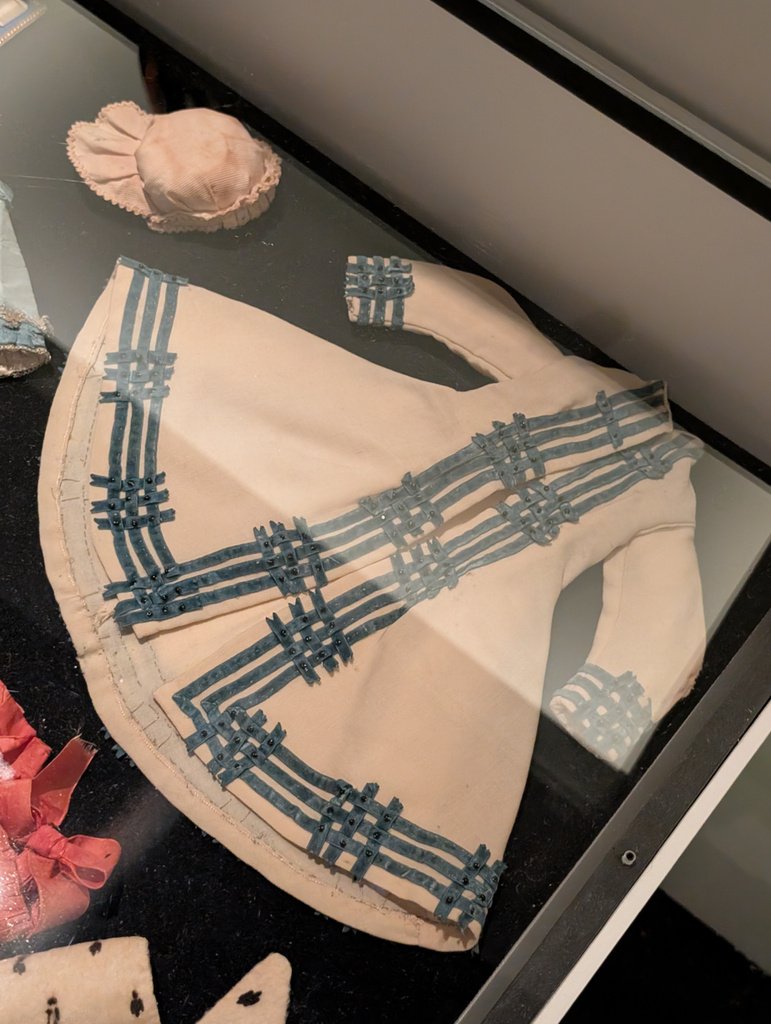
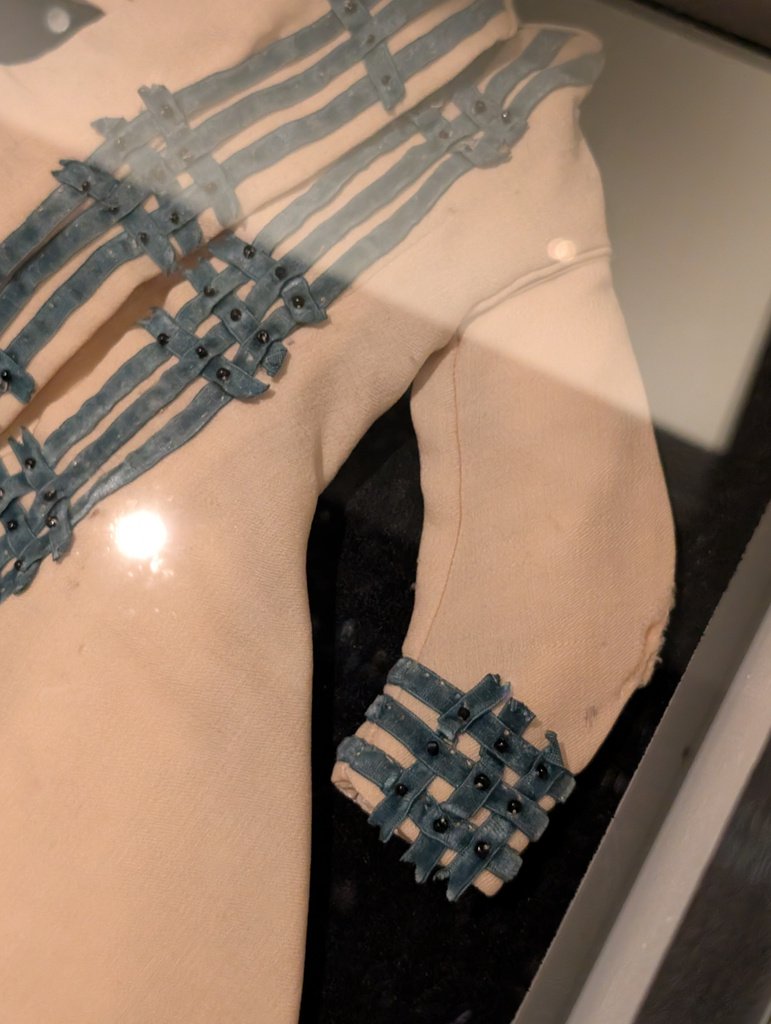
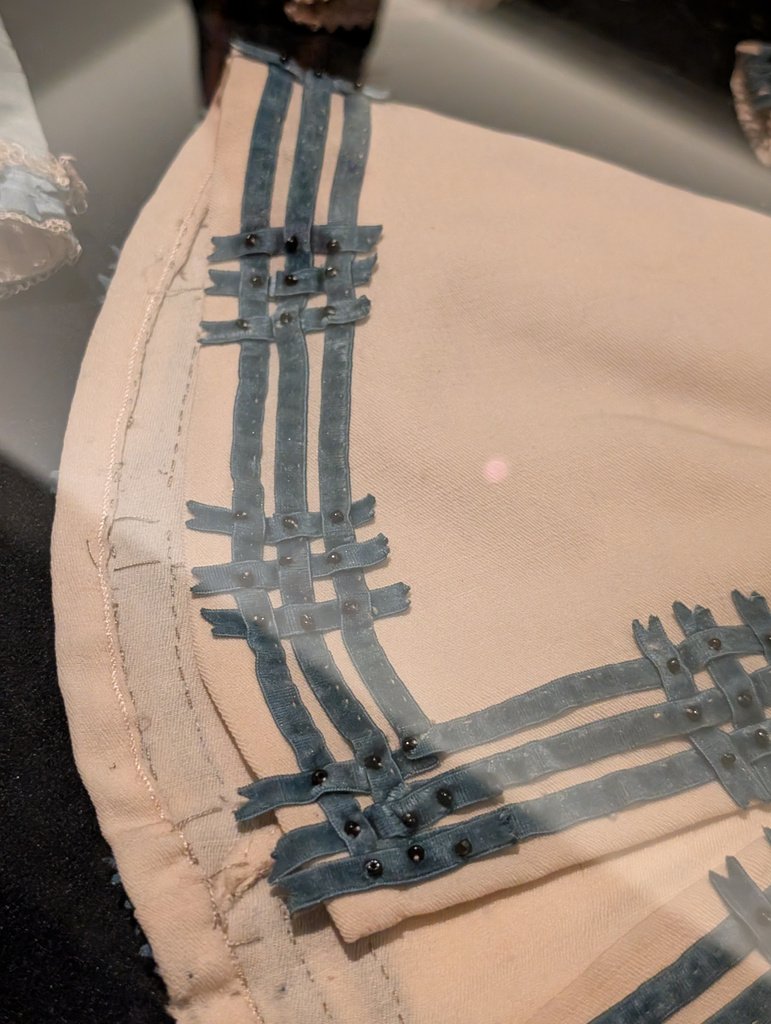
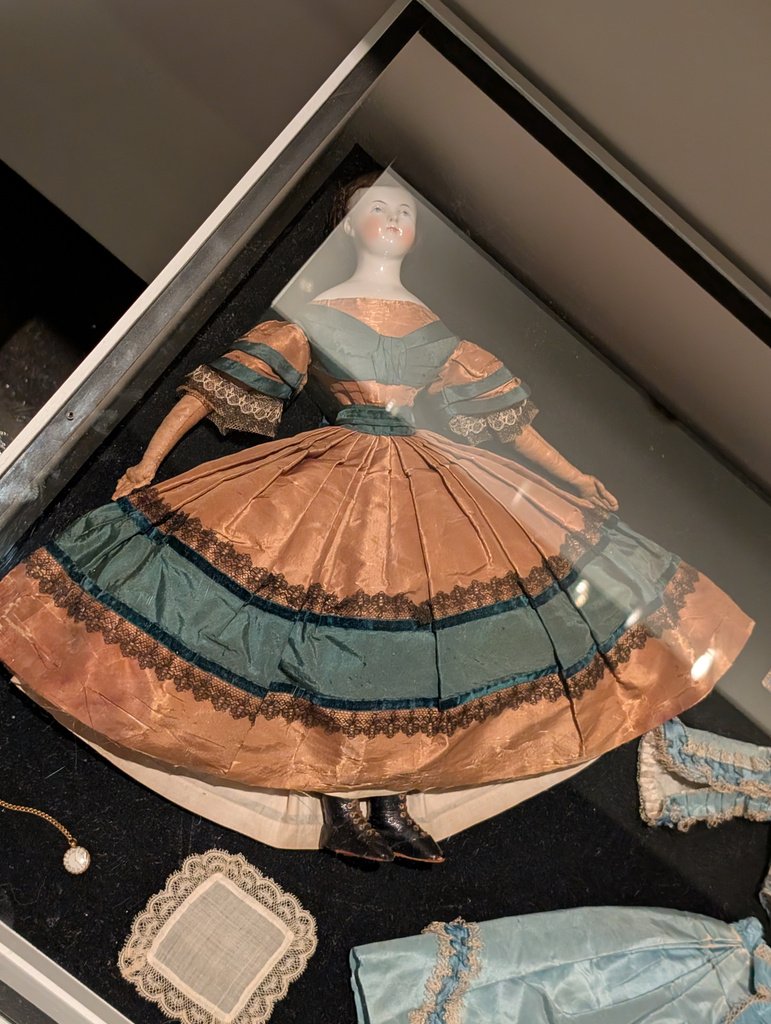
Another moving object is the Sanitary Fair doll and wardrobe from 1864. New York dressmaker Eliza Lefferts created this elaborate wardrobe for the Brooklyn Sanitary Fair during the American Civil War. The money raised through the sale of these doll fashions helped provide clothing for Union soldiers.
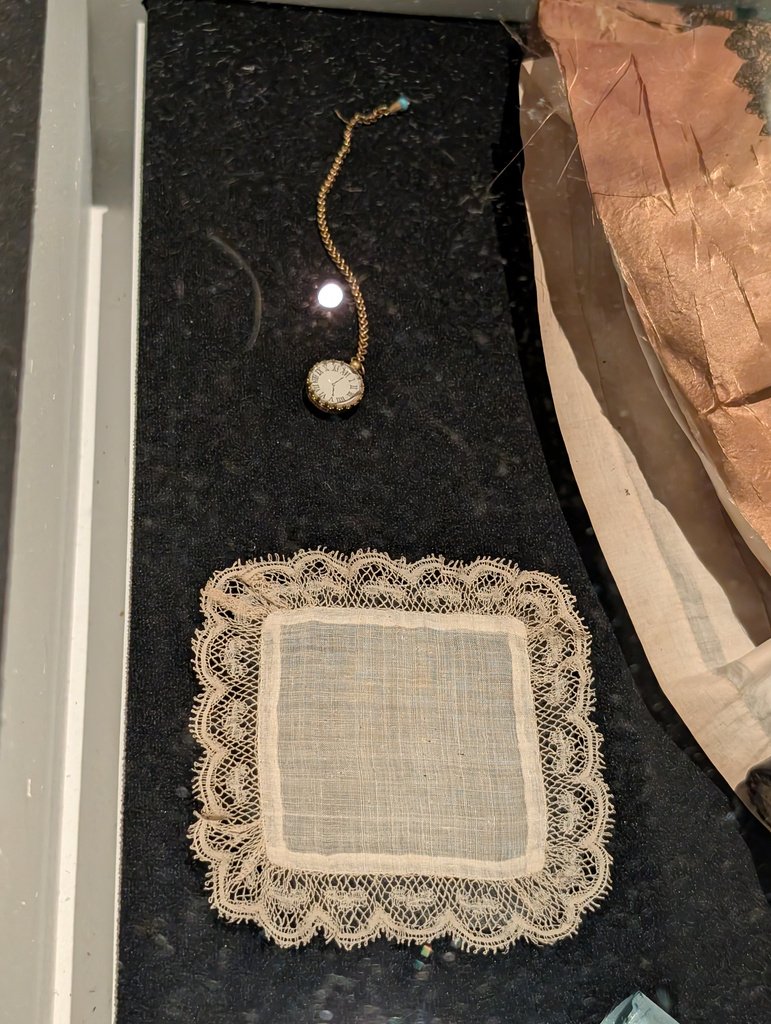
The 1939 Louis Vuitton Trunk
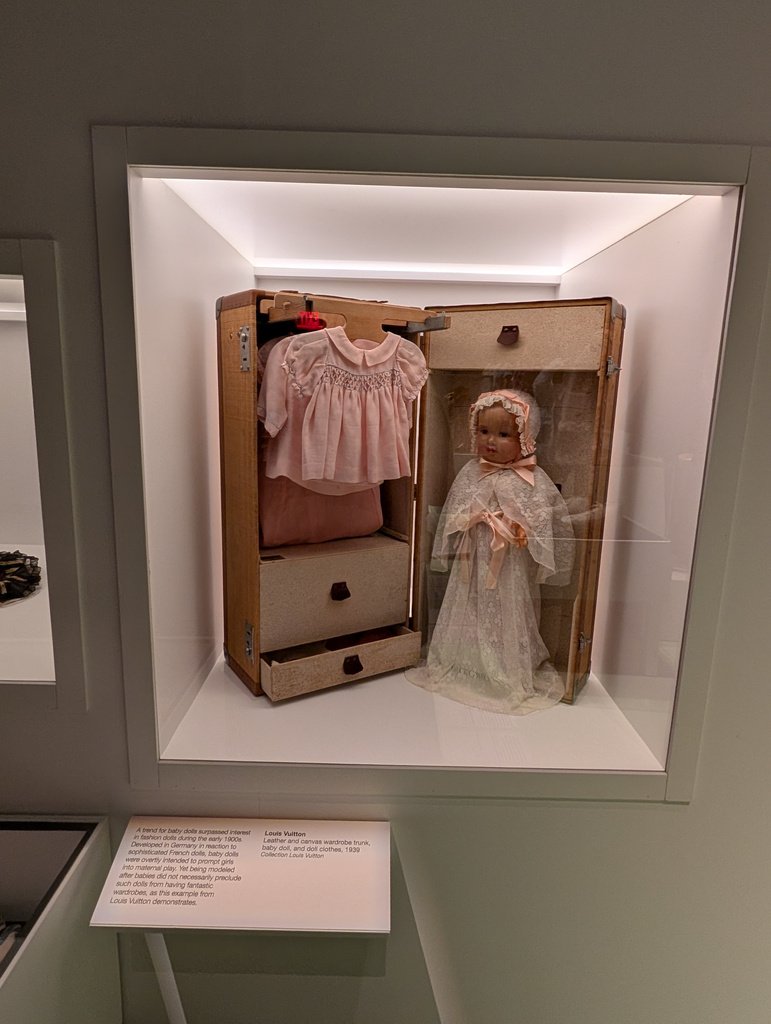
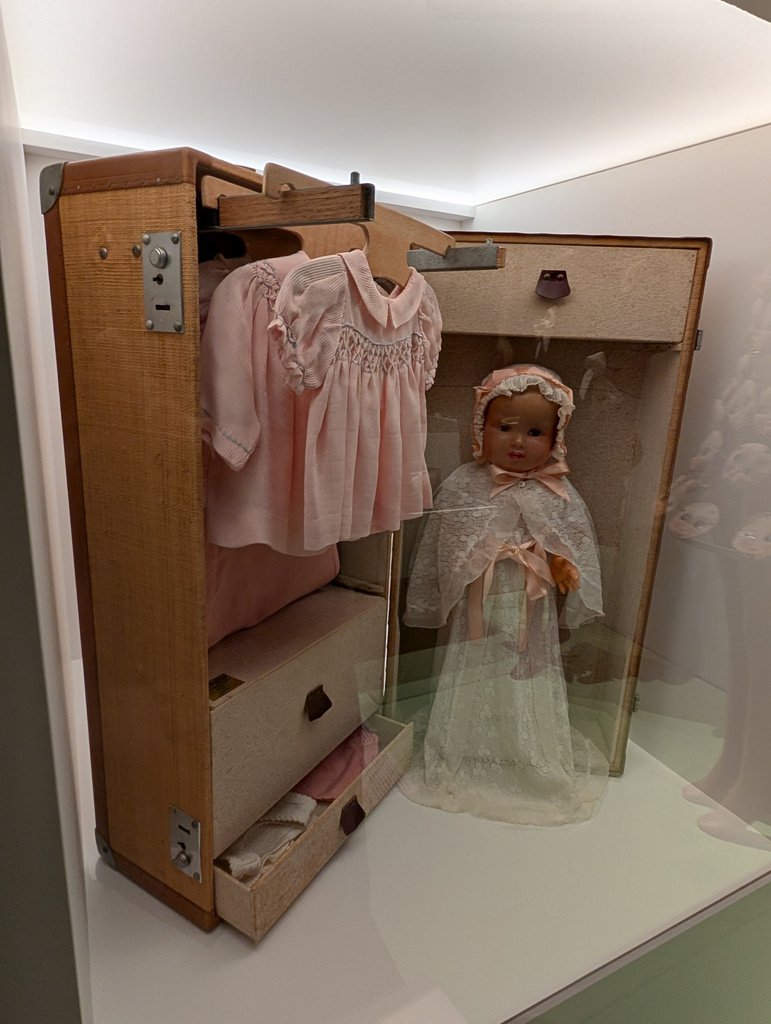
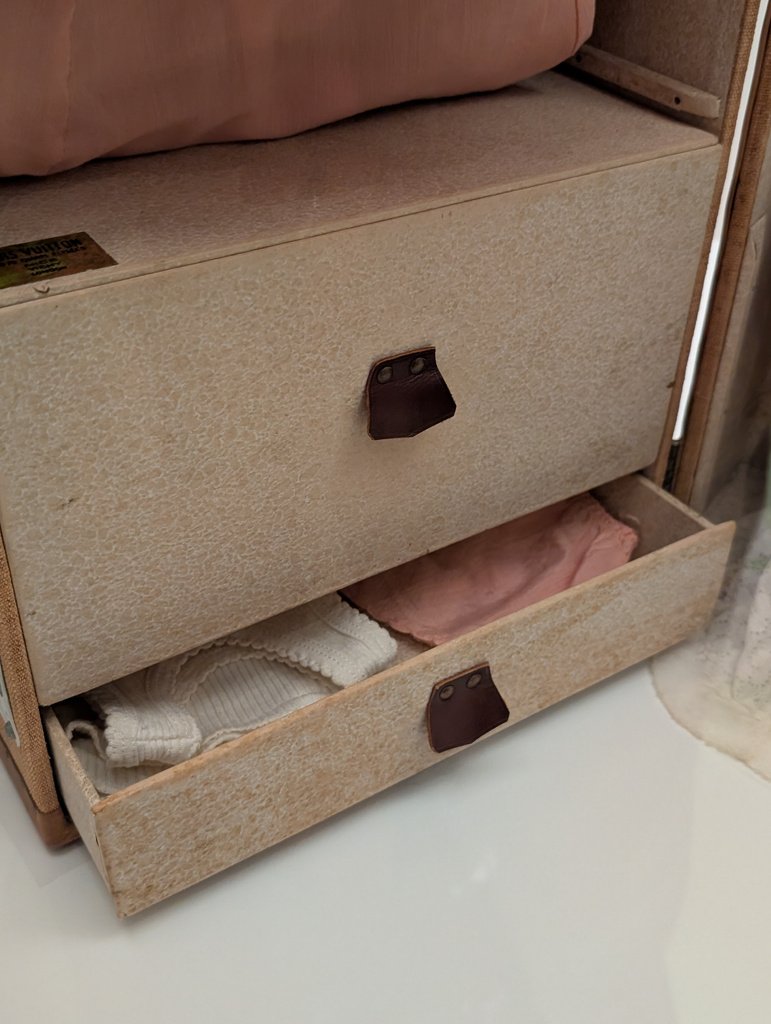
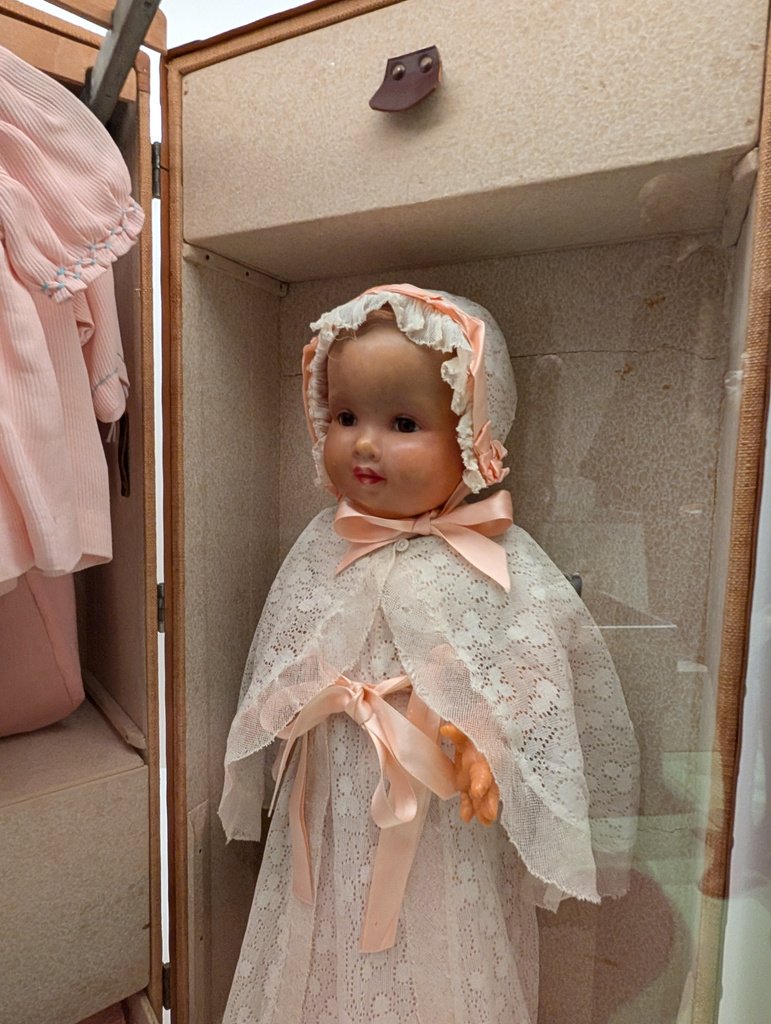
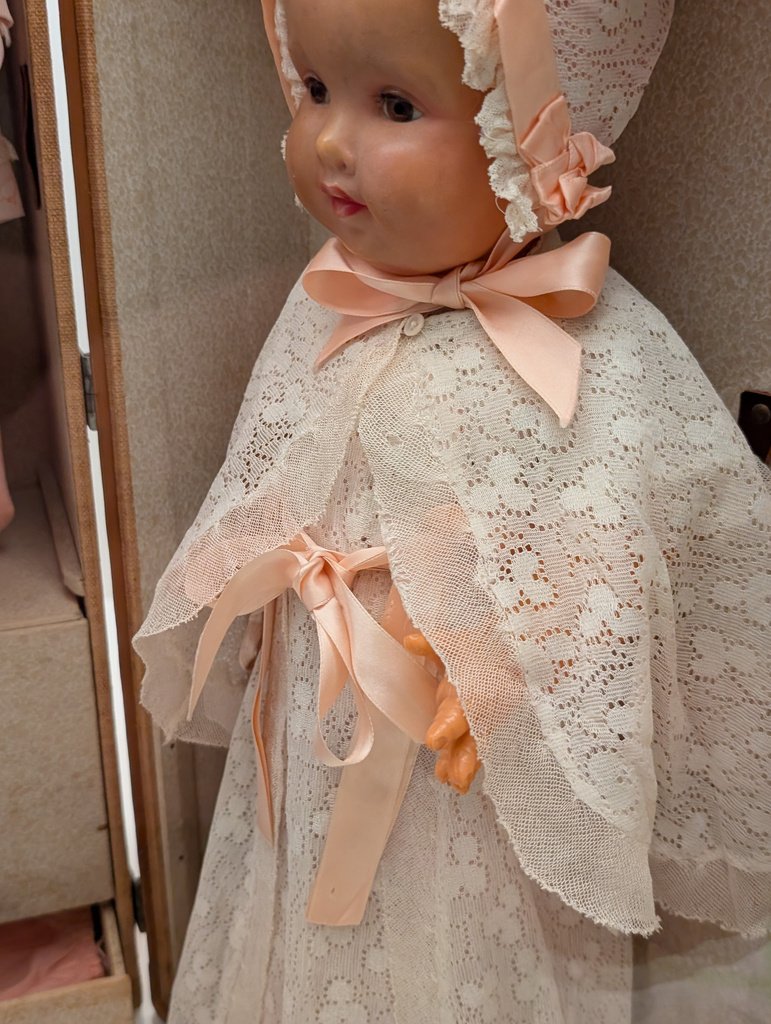
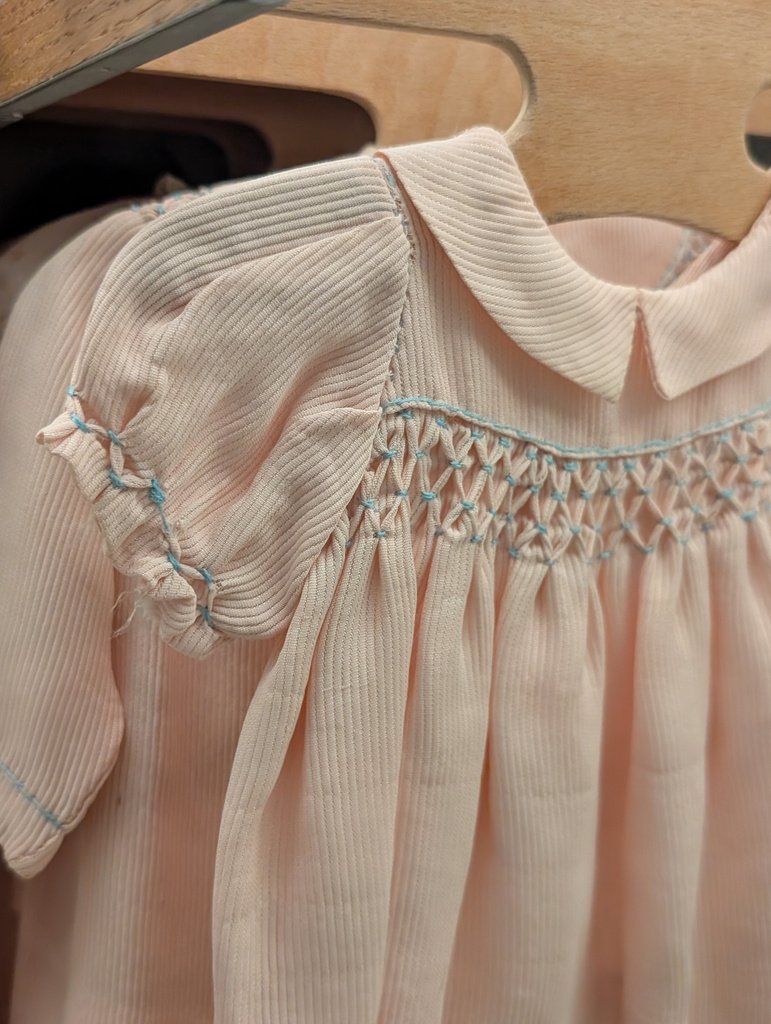
Finally, the 1939 Louis Vuitton wardrobe trunk for a baby doll serves as a reminder that even dolls designed for play resided in a universe of luxury. By the early twentieth century, baby dolls encouraged motherhood play, yet this miniature trunk proves they still inhabited a world of high fashion and travel.
Fashion dolls have changed their roles many times: courtly messengers, children’s playthings, teaching tools, collector’s objects, and miniature models of elegance. But their most important gift remains: they allow us to see fashion not as a flat image, but as something handcrafted, layered, handled, and preserved through history.
Sources & Further Reading
- Hill, Colleen. Doll Dressing. New York: Rizzoli Electa, 2026. (Official exhibition catalogue published in conjunction with The Museum at FIT).
- King, Kenneth D. Cool Couture: Construction Secrets for High Fashion Clothing. Creative Publishing International, 2008. (Reference for couture construction and pattern drafting techniques applied to miniature and adult garments).
- Lord, M.G. Forever Barbie: The Unauthorized Biography of a Real Doll. Bloomsbury Publishing, 2004. (Historical overview of designer collaborations and cultural impacts of fashion dolls).
- Peers, Juliette. The Fashion Doll: From Lenci to Princess Diana. Berg Publishers, 2004. (An examination of fashion history, material culture, and the evolution of the fashion doll).
- Coleman, Dorothy S., Elizabeth A., and Jane T. The Collector’s Encyclopedia of Dolls. Crown Publishers, 1968 / 1986. (Essential reference for antique 18th-century fashion dolls, French bébés, and historical provenance).
- The Museum at FIT. “Doll Dressing” Exhibition Gallery Notes & Objects Registry, Fall 2026.