
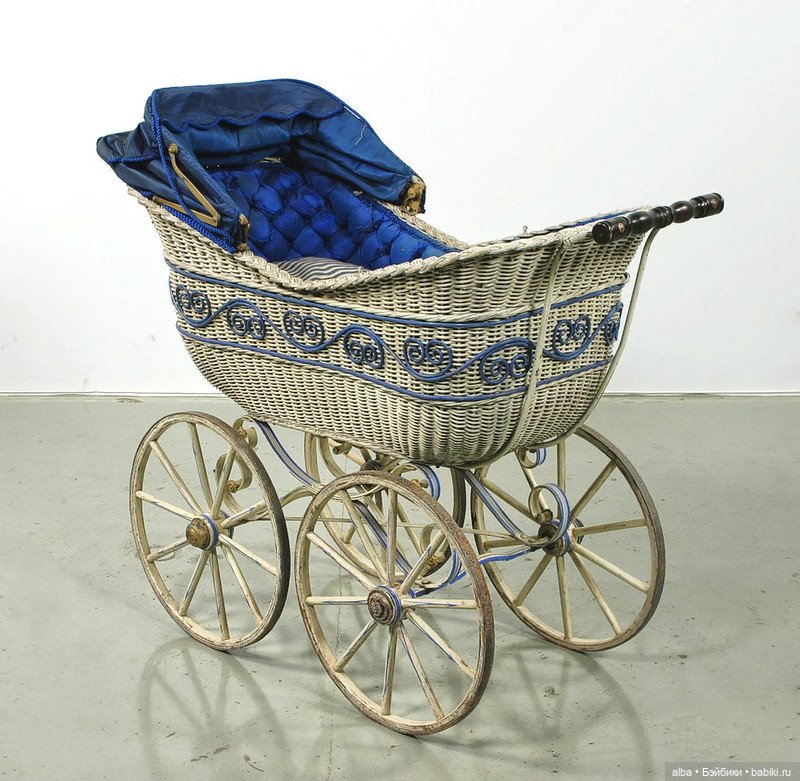
STROLLERS OF YESTERYEAR
or: Items that accompanied the life of an old doll
Baby carriages began around 1733 when the Duke of Devonshire asked the English architect and furniture designer William Kent to make a pram for his children to play on the grounds of Chatsworth House.

Frans Hals, Three Children with a Goat Cart, c. 1620
Riding a cart pulled by goats was not new – children have enjoyed it since the early 17th century.
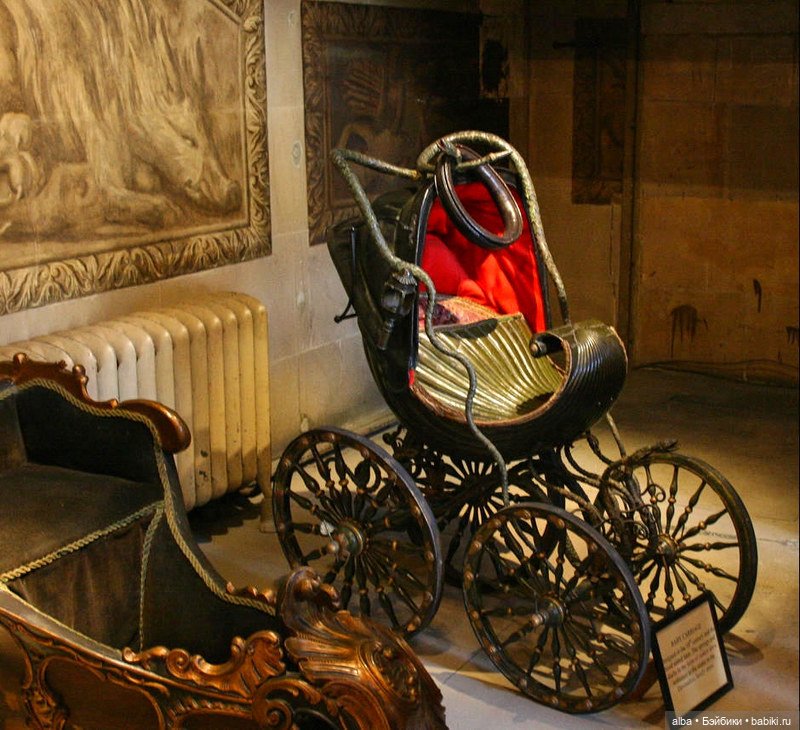
Pram by William Kent, c. 1733.
Equipped with a harness for a goat or a small pony, the shell-shaped Kent basket on wheels even had sprung to allow children to ride in comfort.

Major Russell Harrison and the Harrison children outside the White House, 1890
And it was still fashionable in 1890, as the grandchildren of the 23rd President of the United States, Benjamin Harrison confirmed.
Interesting facts about objects of the 19th and 20th centuries that accompanied a person’s life and made him happier.
It was 1847 and Queen Victoria was pregnant with her sixth child, Princess Louise.
Hearing about a new type of baby carriage with three rear-pushed wheels, she couldn’t wait to see it.
“Albert!” she called. Let’s go, we’re going to the city to buy a stroller.
“Baby carriage?” Albert asked.
“Yes, yes, this is a new stroller for our little ones – you will love it!”

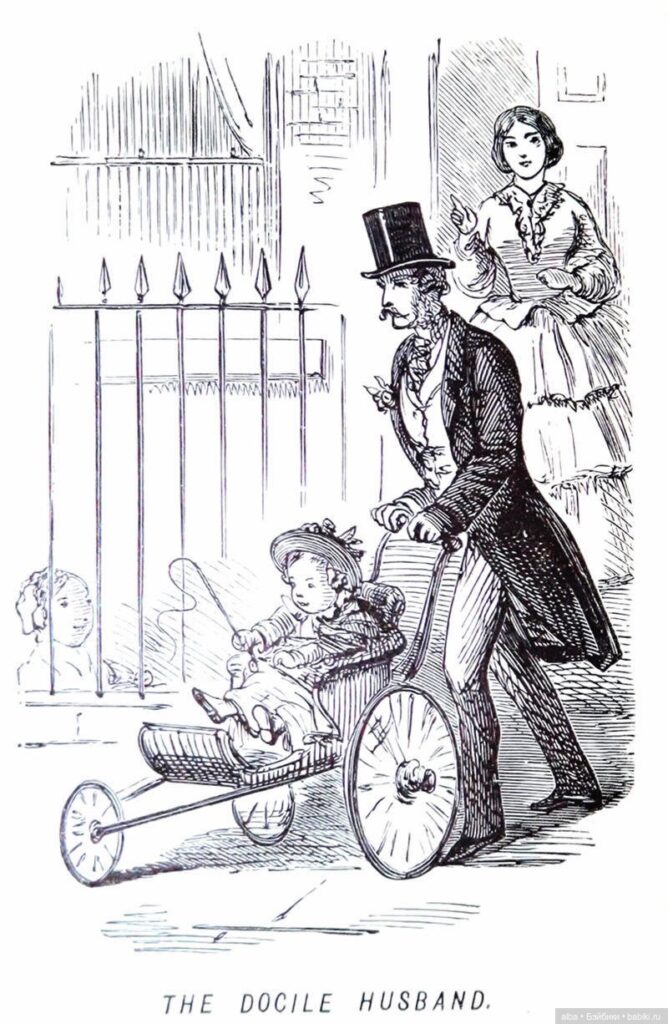
Tricycle, of the period 1840-1850
A baby carriage that can be pushed or pulled, 1866

Royal patronage led to the stroller craze and spurred the development of the stroller industry throughout Europe and the United States, mass-producing strollers to meet growing demand.
Beginning with three-wheeled versions that were usually pulled by a nanny, a more recent innovation allowed strollers to be pushed, making it easier to monitor the child’s well-being.
An 1847 carriage from the John Leach archive.
Edwardian (Victorian) era, 1875
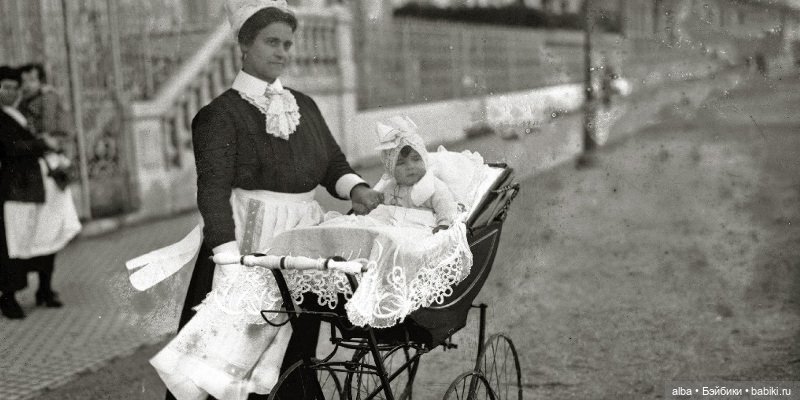
By 1855, prams were so popular in London that the Reverend Benjamin Armstrong of rural Norfolk noted in his diary: “The streets are full of prams – prams brand new to me, easily pushed by a nanny.”

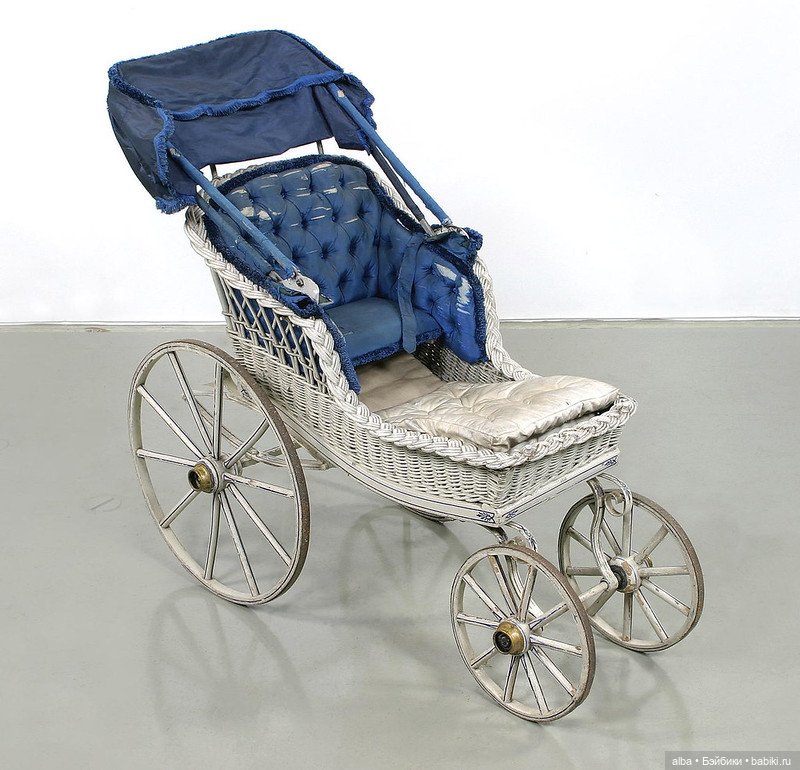
Baby carriage design, in production from about 1858 to 1907.
Credit to Livrustkammaren (Royal Armory), Samuel Urdin
Constructed of wood or wicker and held together with expensive brass hinges, prams were sometimes beautifully decorated.
An early wood-framed pram made by the British pram manufacturer Silver Cross, 1880s


British carriage. Metal and wood frame, leather upholstery, and cane trim, Victoria and Albert Museum, 1905
The Edwardians have turned pram design into an art form with elaborate decor, improved maneuverability, rubber tires, and weather protection.
And, of course, babies have benefited greatly from all these innovations.
Woman holding an umbrella pushing a baby in a stroller with a raincoat
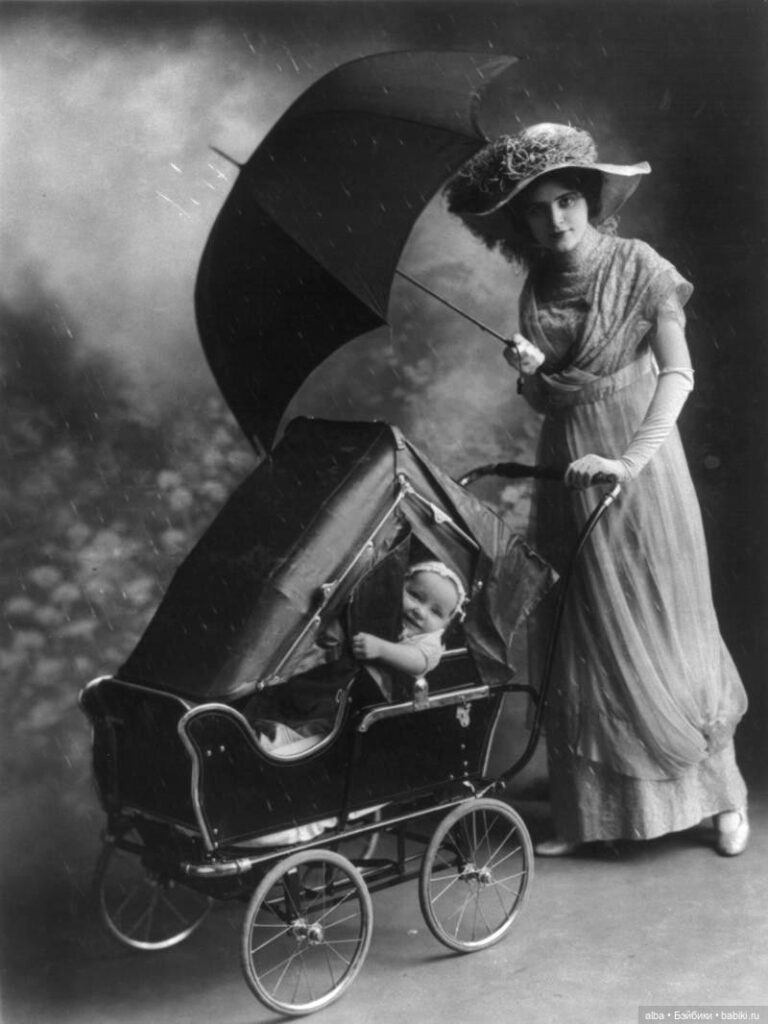

The stroller was used by the children
Crown Prince of Sweden Gustav Wie.
(Manufactured by Hitchings Ltd., London. Credit Livrustkammaren)
It was definitely a children’s world – all babies loved trips to the park in a pram.
In wealthier families, the nanny’s job was to look after the kids while the parents attended the many parties and events listed on their busy calendars.
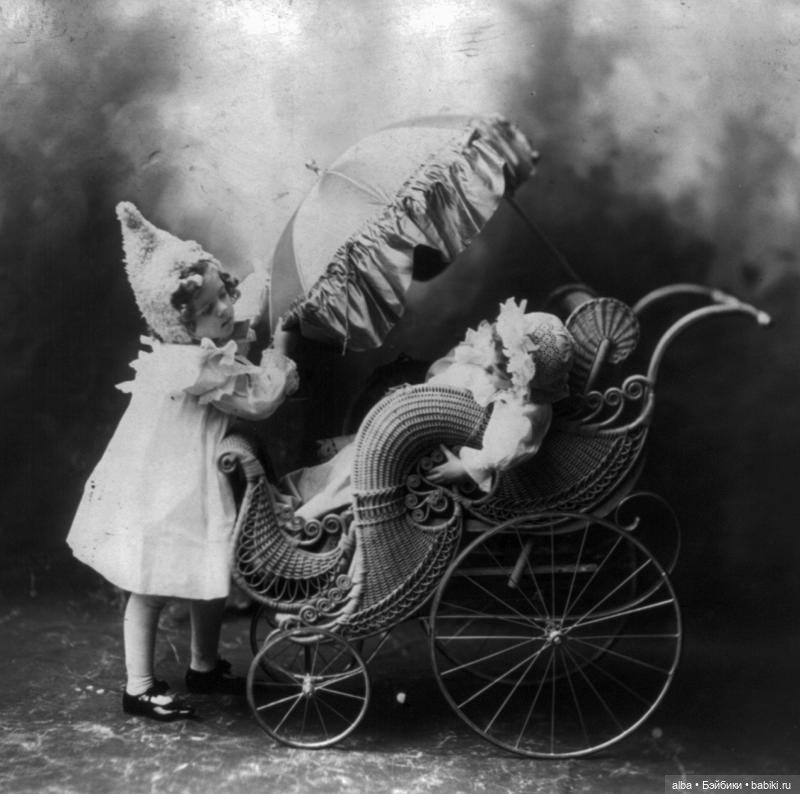


Mothers who couldn’t afford or didn’t want a nanny could spend some quality time with their babies, dressing them up for a nice walk with a stroller.
Admiring glances and polite conversation with passers-by are all part of the pleasure of owning a stroller.
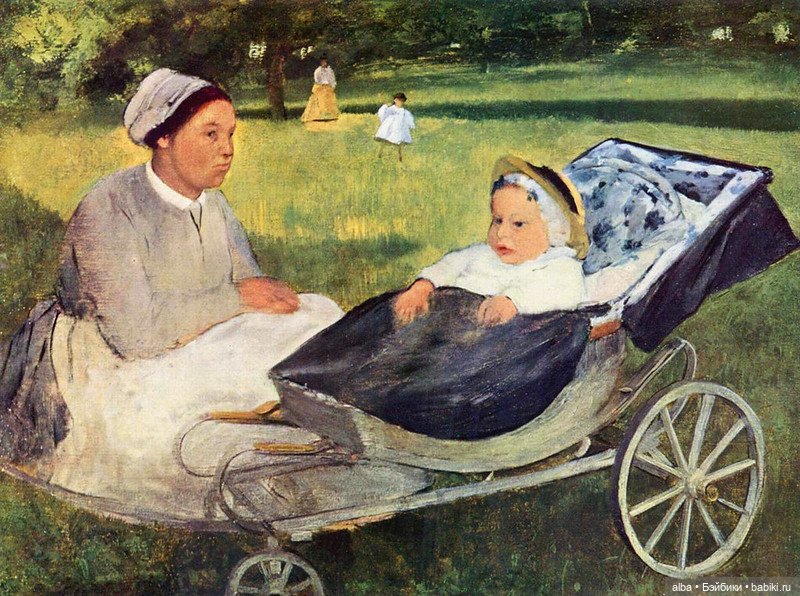
Portrait of Henri Valpenson as a child with his governess.
Written by Edgar Degas

Champs Elysees, view of the Arc de Triomphe.
Author Francesco Miralles Galup, 1848-1901
Kent’s design inspired the entire baby stroller industry during the Victorian era.
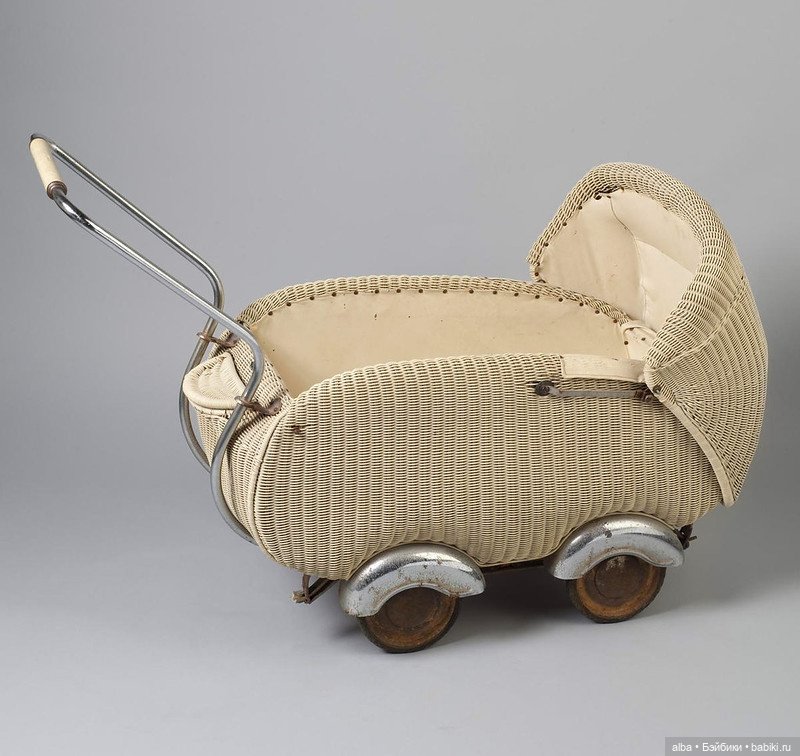
The 1930s rolled around and sidecars took over some of the design ideas from cars with shiny fenders, sporty wheels, and even windows.
German carriage, the 1930s. Weaving from fiberboard, wood, chrome-plated metal, and rubber compound.
Victoria and Albert Museum
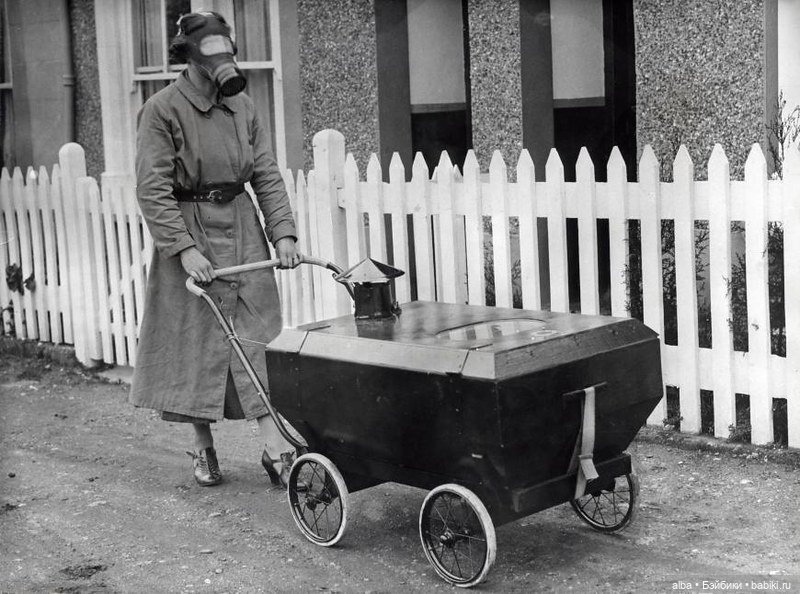
Baby stroller resistant to gas warfare. Kent, England, 1938
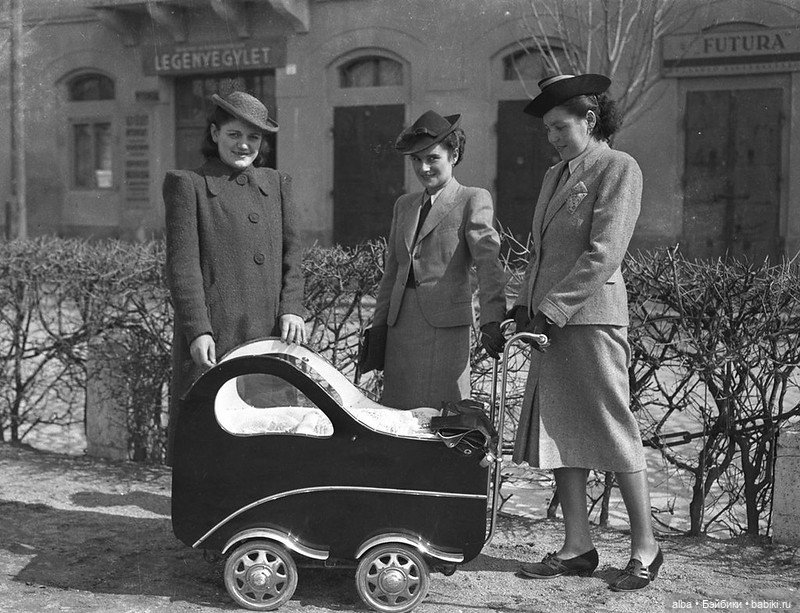
Pram, Hungary, 1939
Fasten your seat belts – the 1950s!
New lightweight sports convertibles and luxury models entered the market.
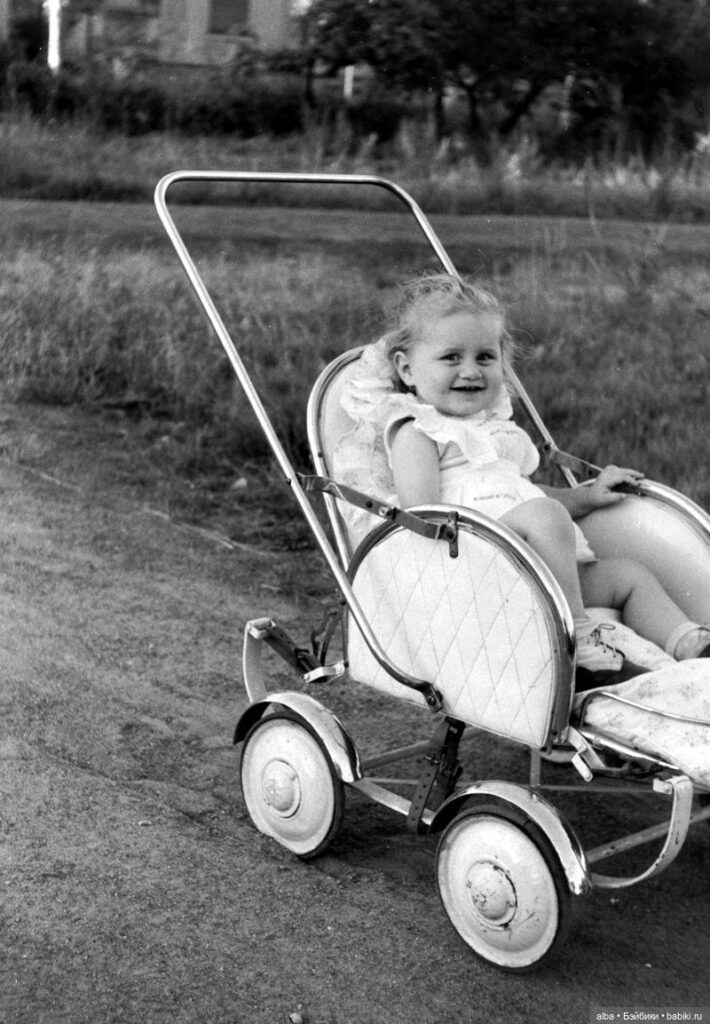
Baby carriage.
Credit Fortepan, 1953
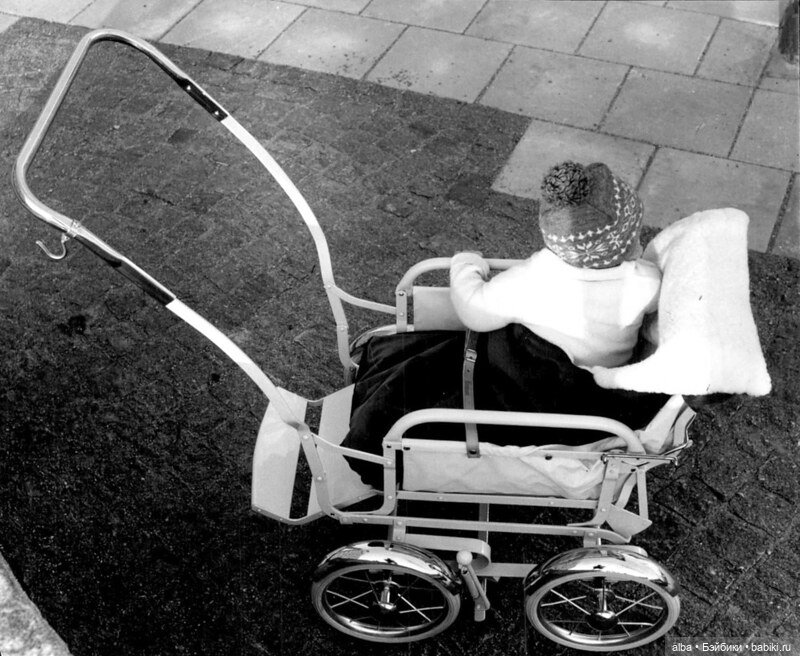
Toddler in a Light Sports Carriage, 1959
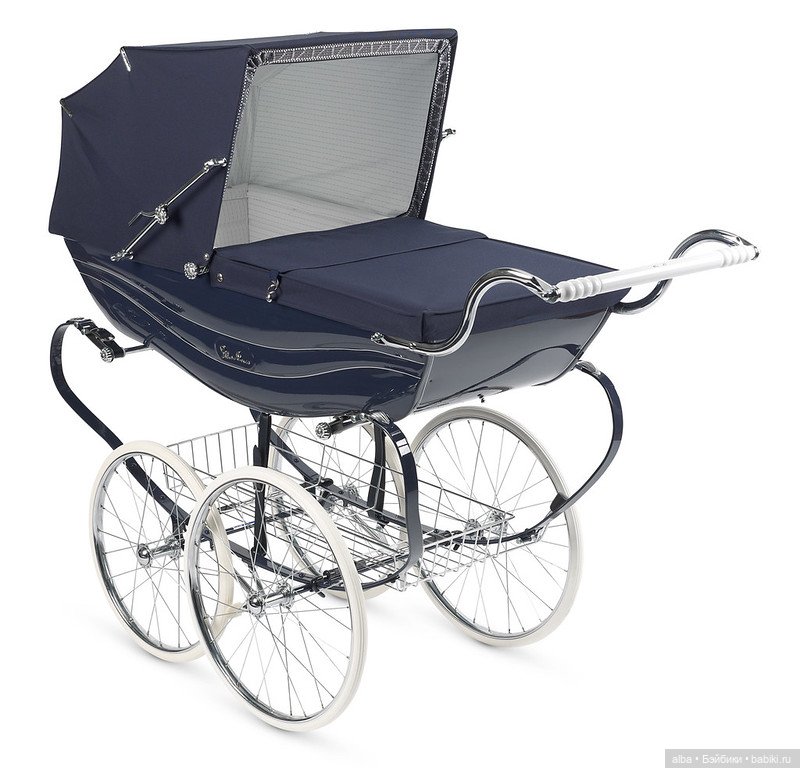
Companies such as A&F Saward and Silver Cross began making custom baby strollers in the 1950s, which were, and still are, the choice of the British royal family.
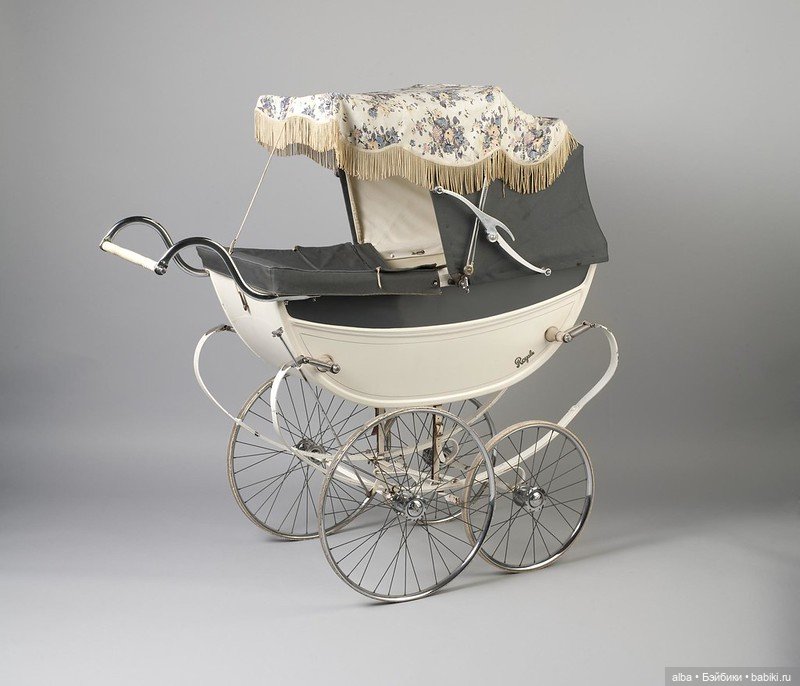
Baby’s Royale stroller, made in England by A&F Saward.
Victoria and Albert Museum, 1959
Modern Stroller Silver Cross Balmoral Coach-Built Vintage Style
Source: https://babiki.ru/blog/interesnoe-antikvarki/239747.html