

Technoplast Doll in a Moravian Folk Costume: Before & After
How a Factory-Made Doll Became a Small Ethnographic Portrait
A remarkably decorative vintage doll in traditional dress once arrived at my doll hospital. She offers a vivid example of how souvenir dolls helped preserve and promote regional traditions across Europe. Her elaborate headdress, lace, ribbons, and layered clothing immediately suggest Moravia. More specifically, the costume reflects the traditions of Slovácko, an ethnographic region in southeastern Czechia.
It is important not to confuse the name Slovácko with Slovakia, the modern country. Slovácko is a historical and ethnographic region of Moravia, close to the Slovak border.


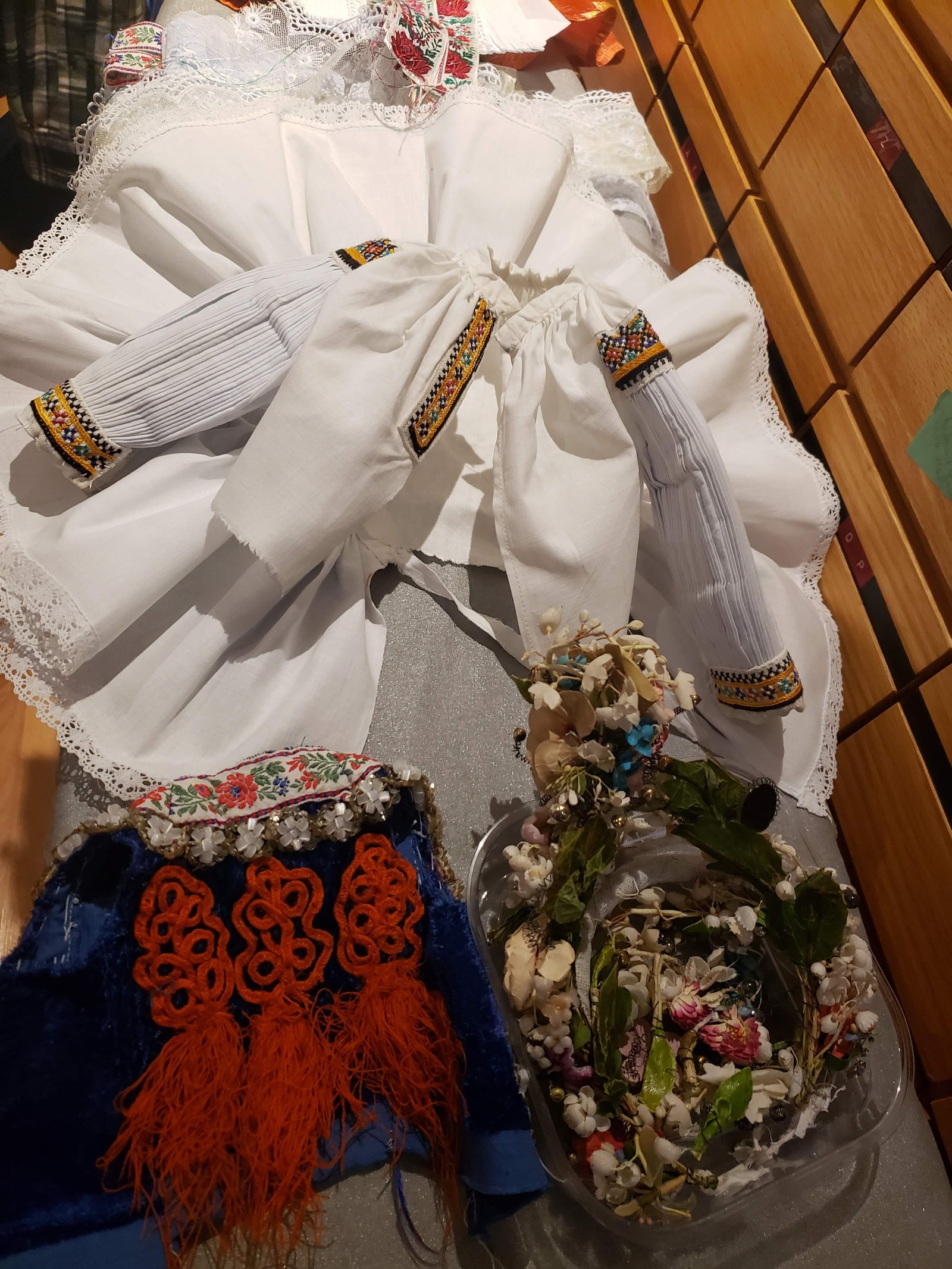
Her elaborate ceremonial costume comes from southeastern Moravia. It includes a white blouse with full sleeves and lace at the collar and cuffs, a richly decorated full skirt, and boots. An intricate floral headdress with long embroidered ribbons completes the ensemble. The costume most likely represents the folk tradition of the Slovácko region. It may depict a festive or bridal young woman’s attire. Dating: second half of the twentieth century.


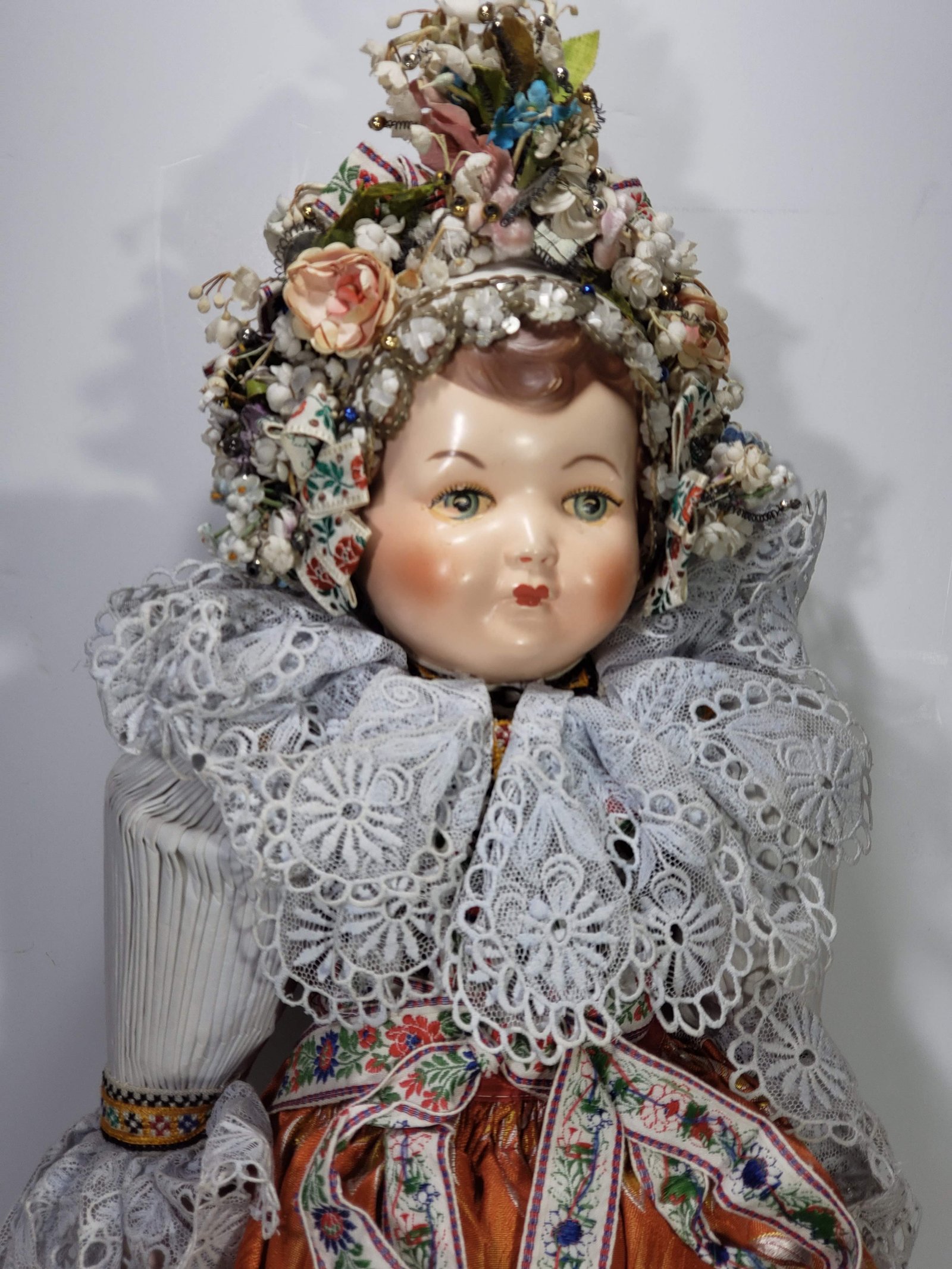


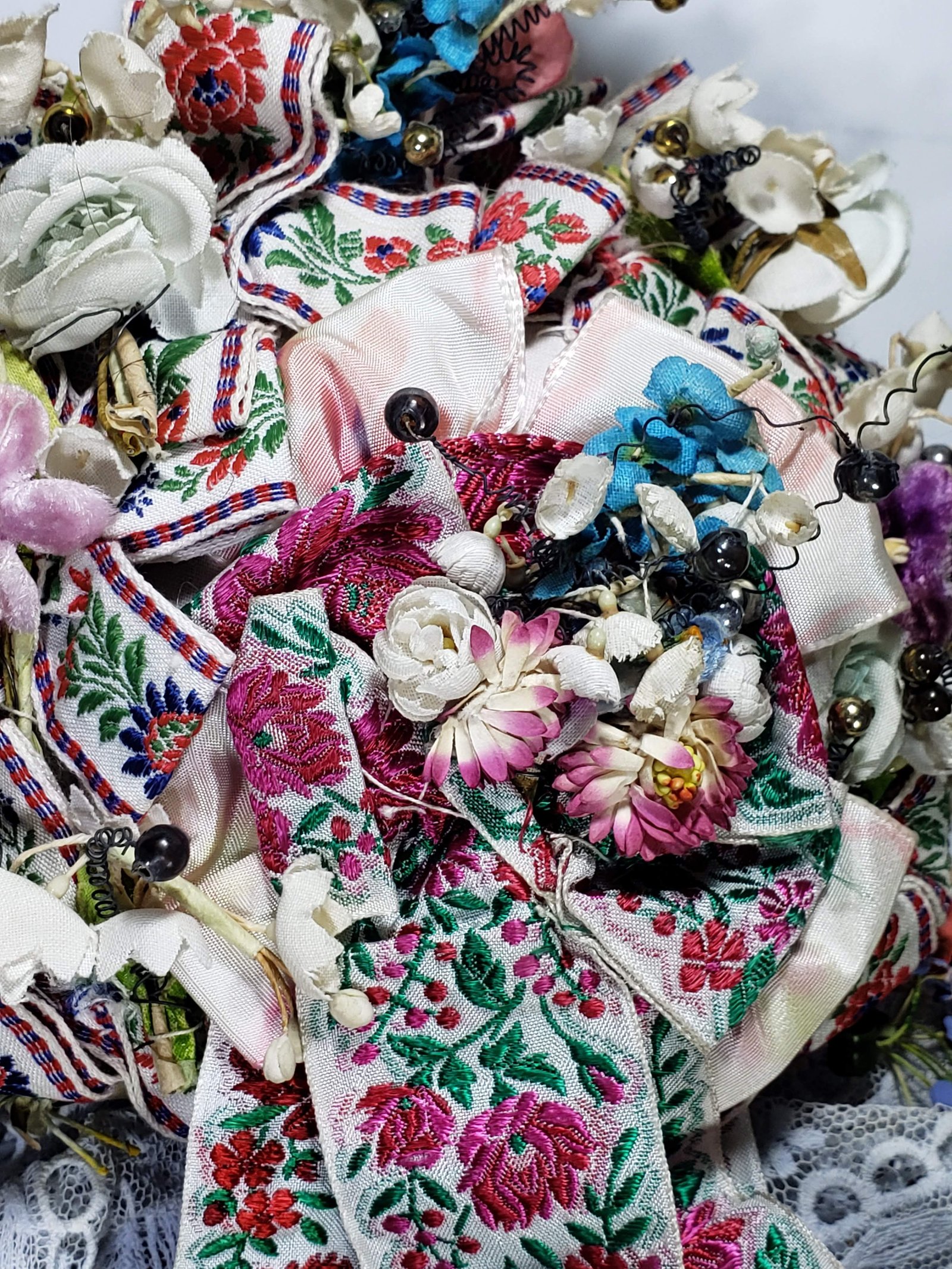


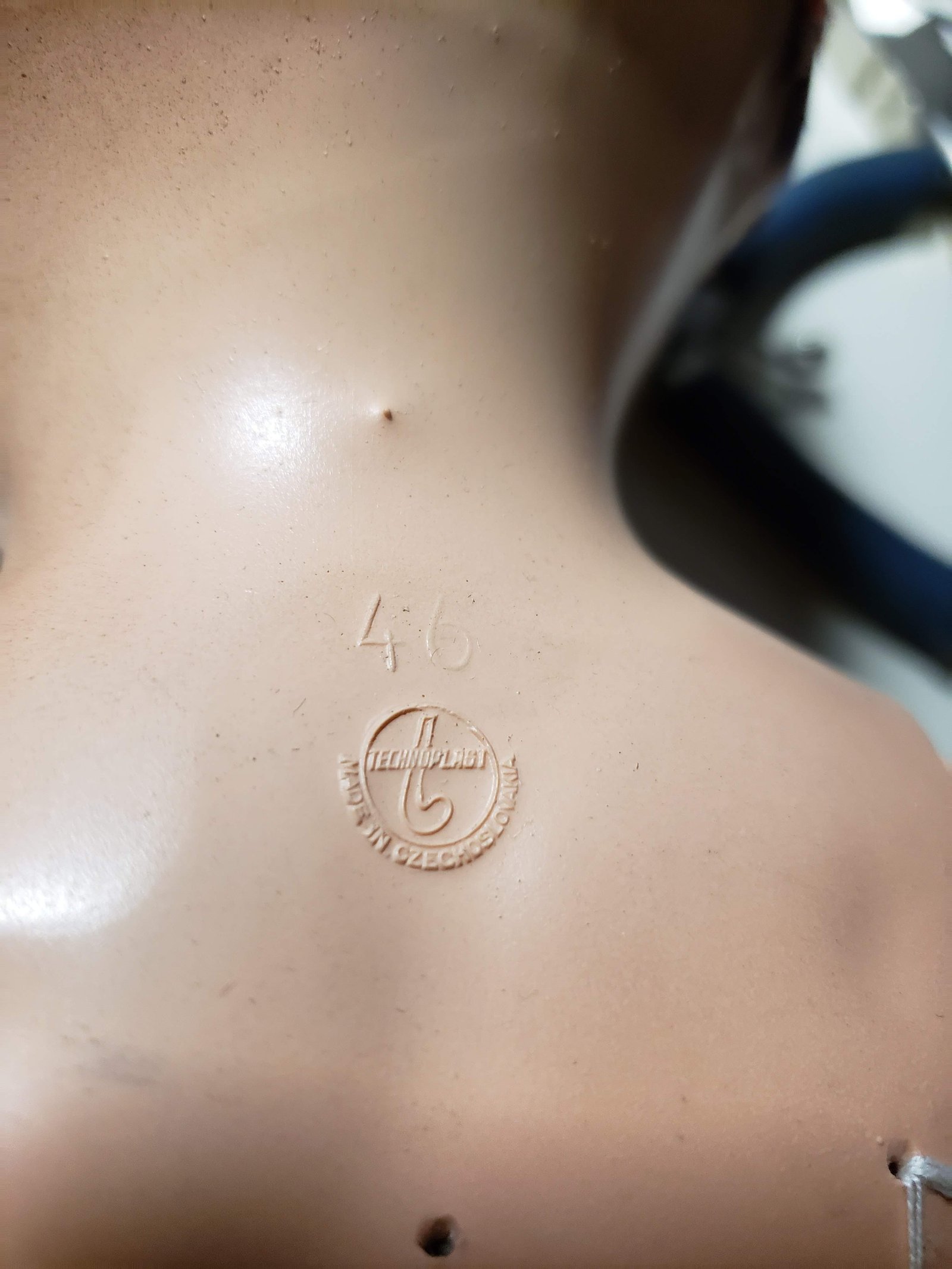
Technoplast most likely made the doll itself. A workshop, artisan cooperative, or individual craftswoman may have created the costume separately as a folk-art souvenir.
The costume is the doll’s most striking and significant feature. An ensemble rooted in the folk traditions of southeastern Moravia. The costume includes a white blouse with exceptionally full sleeves and lavish lace at the collar and cuffs. A short, flared copper-orange skirt forms the centrepiece, accompanied by a decorative apron or front panel, a bright woven or embroidered waist ribbon, and boots.
Shimmering fabric, golden floral motifs, lace edging, and generous volume give the skirt a festive, almost theatrical silhouette. For this reason, these details suggest ceremonial rather than everyday dress.
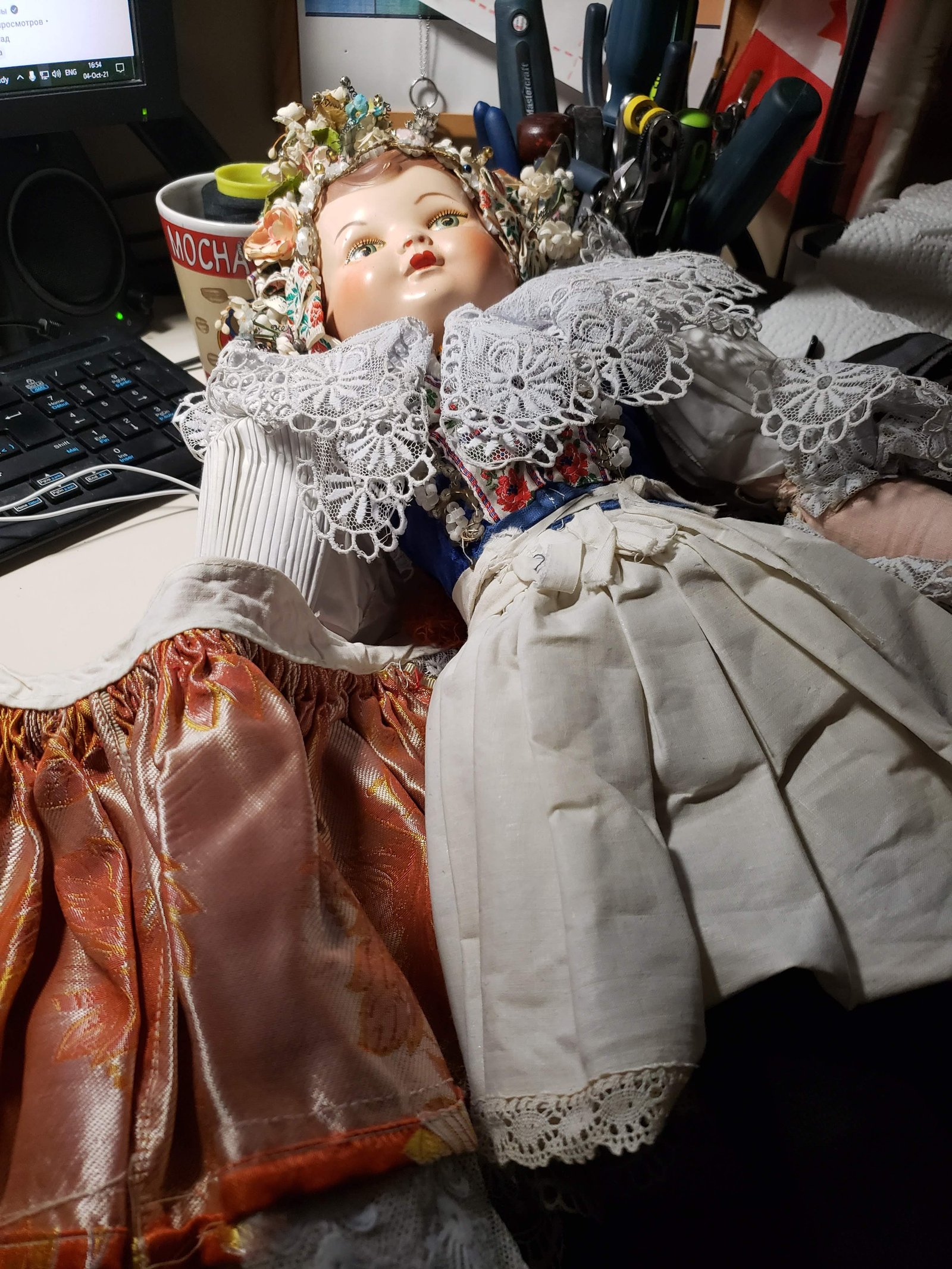


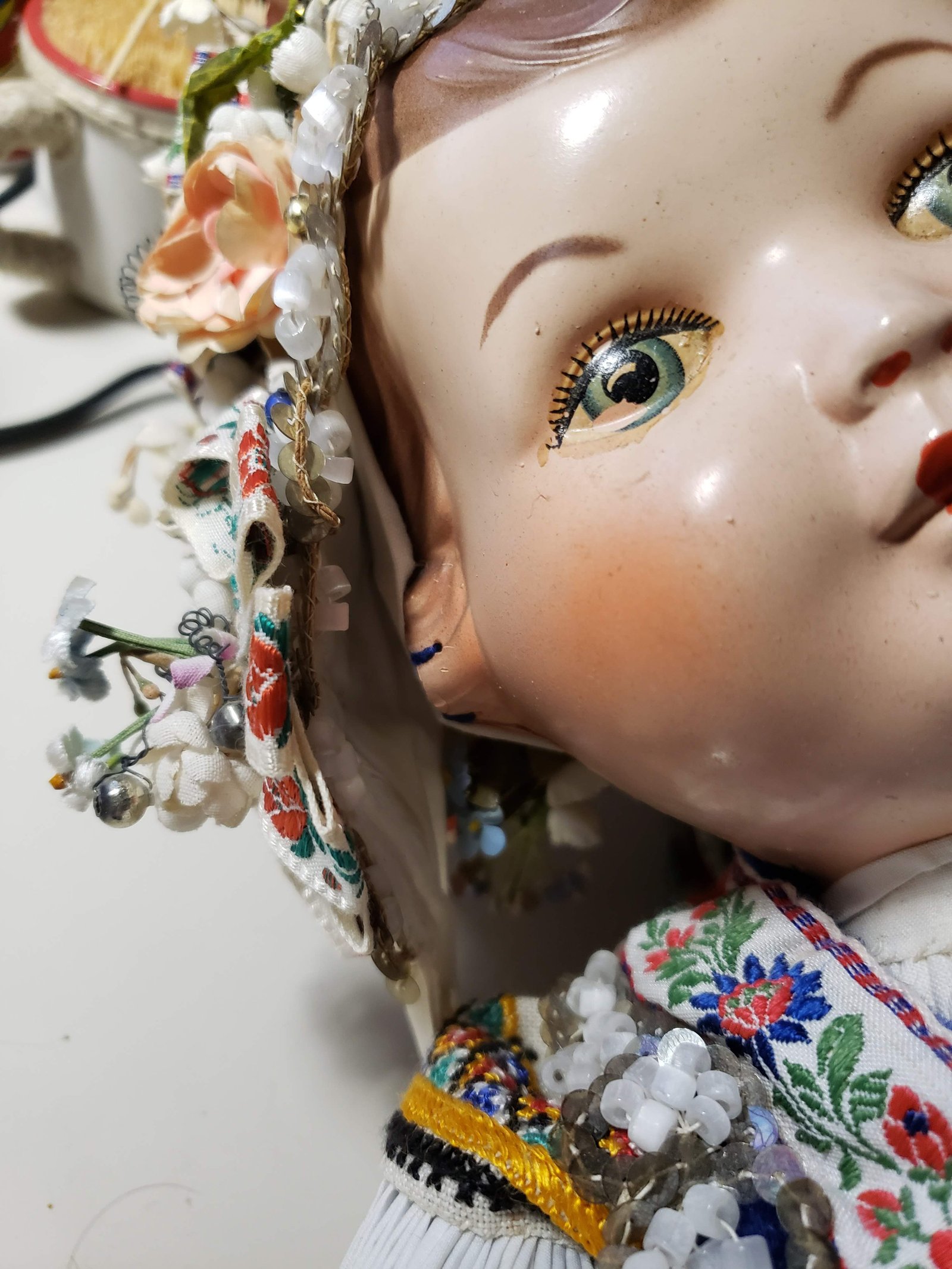


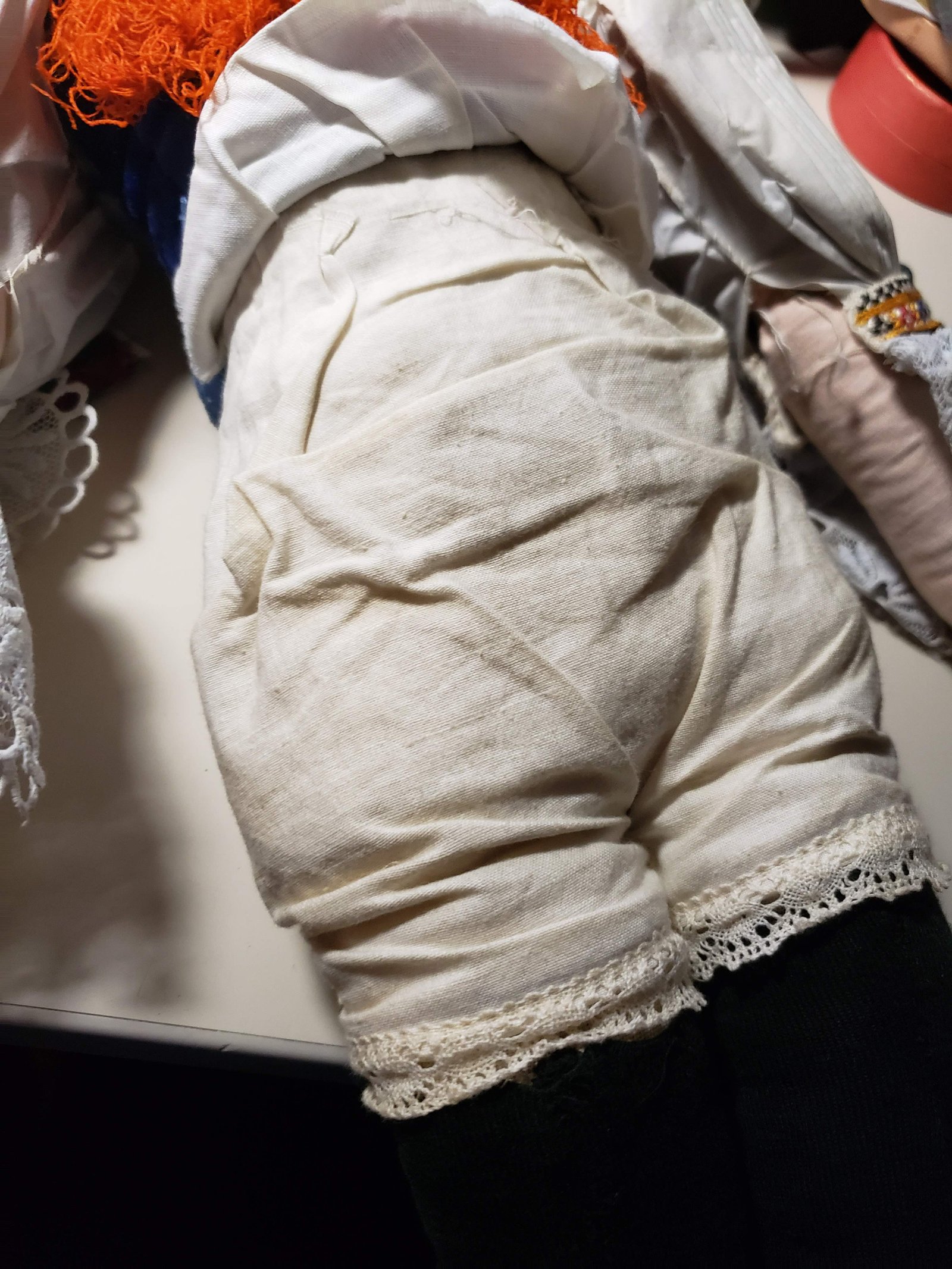


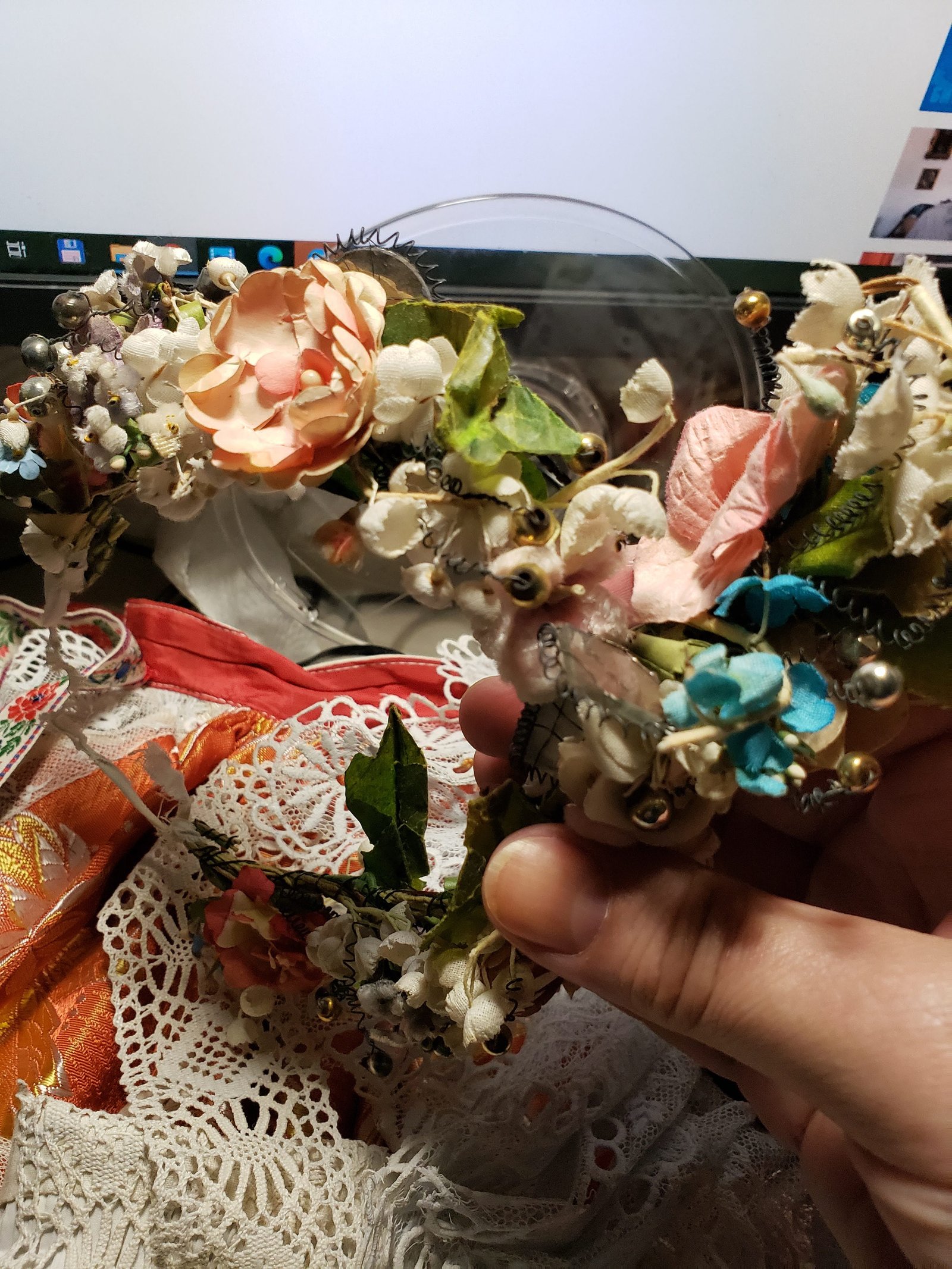


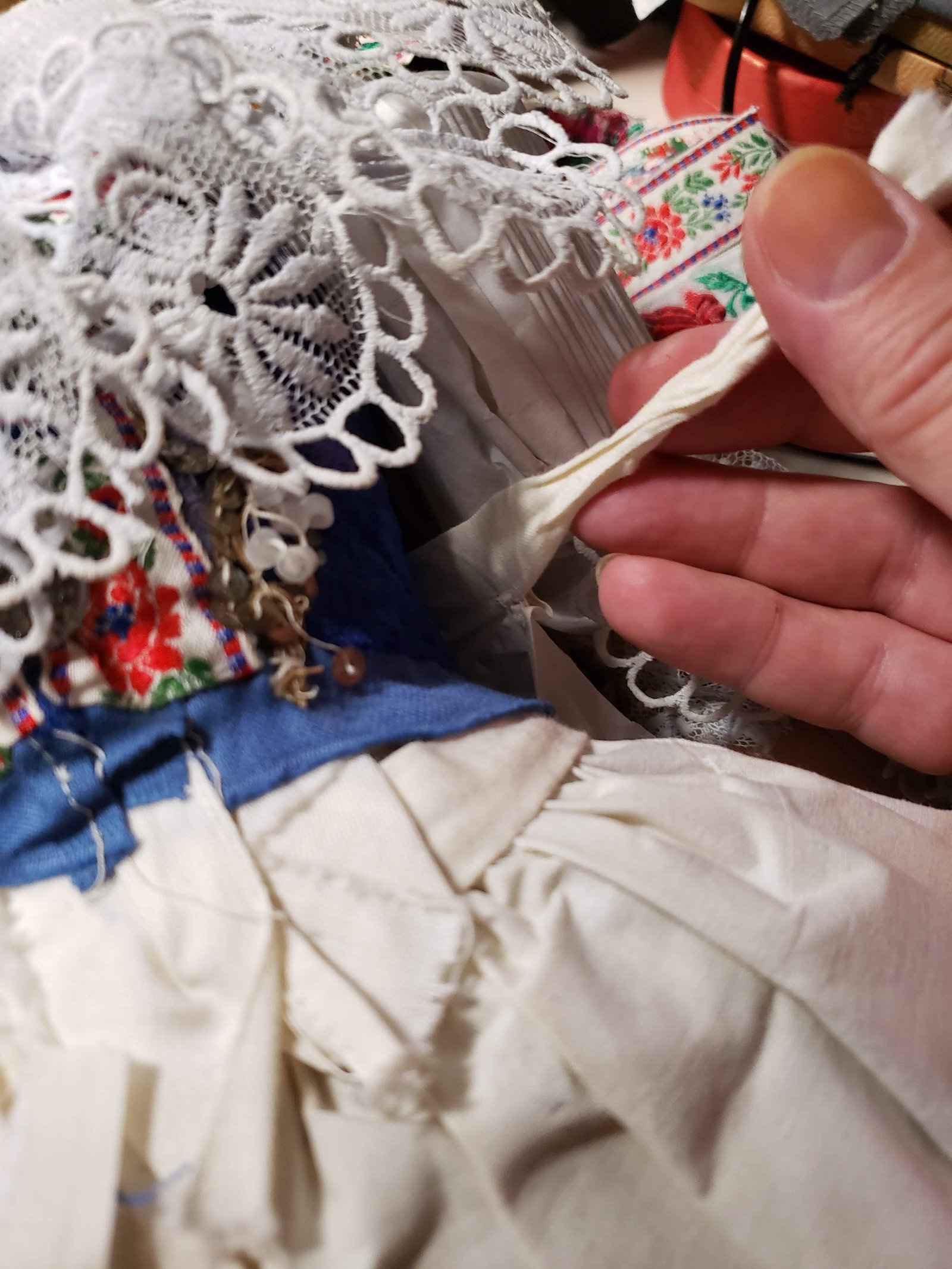
The approach to the restorative cleaning of this doll had to remain as conservative as possible.
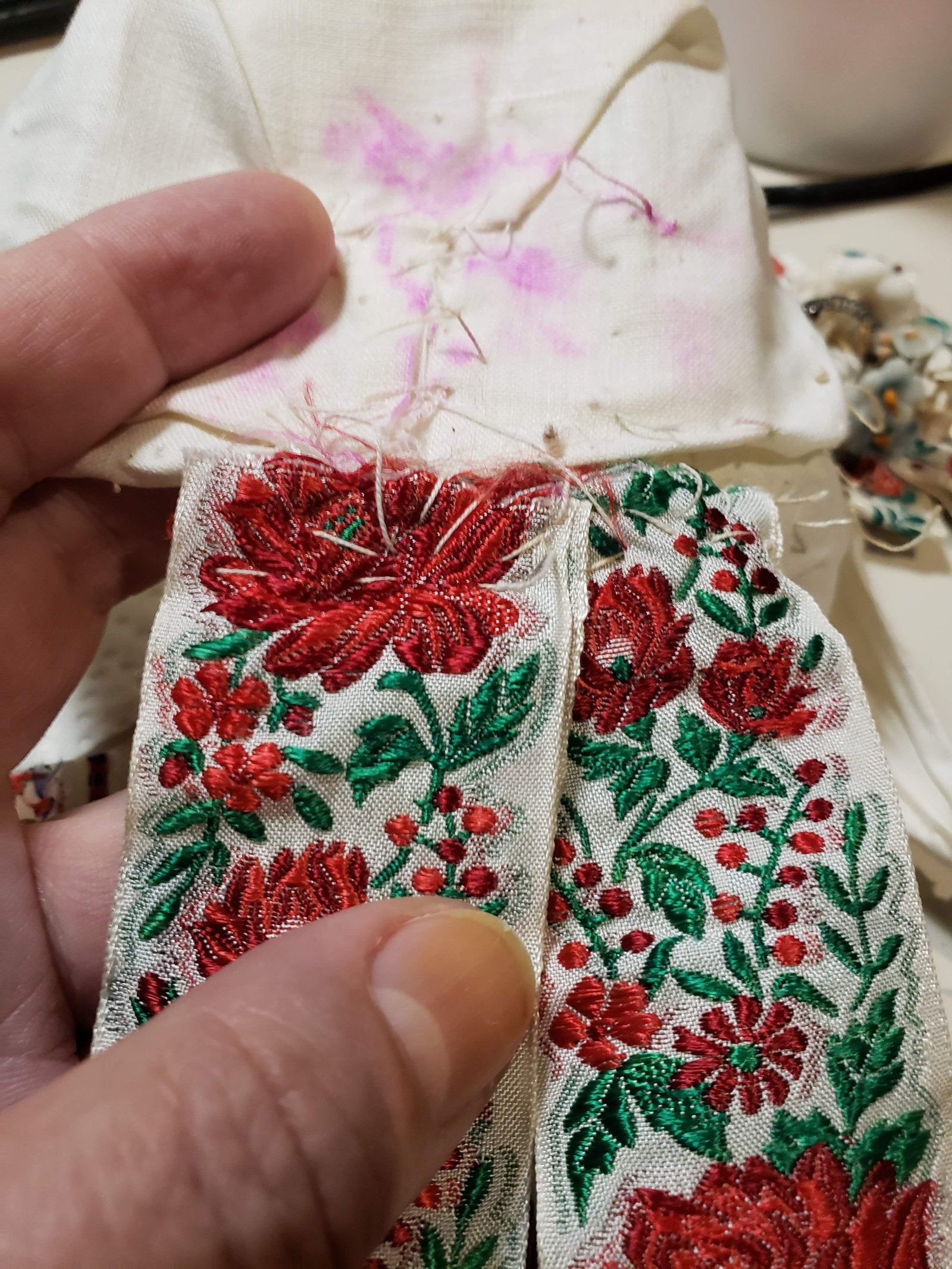
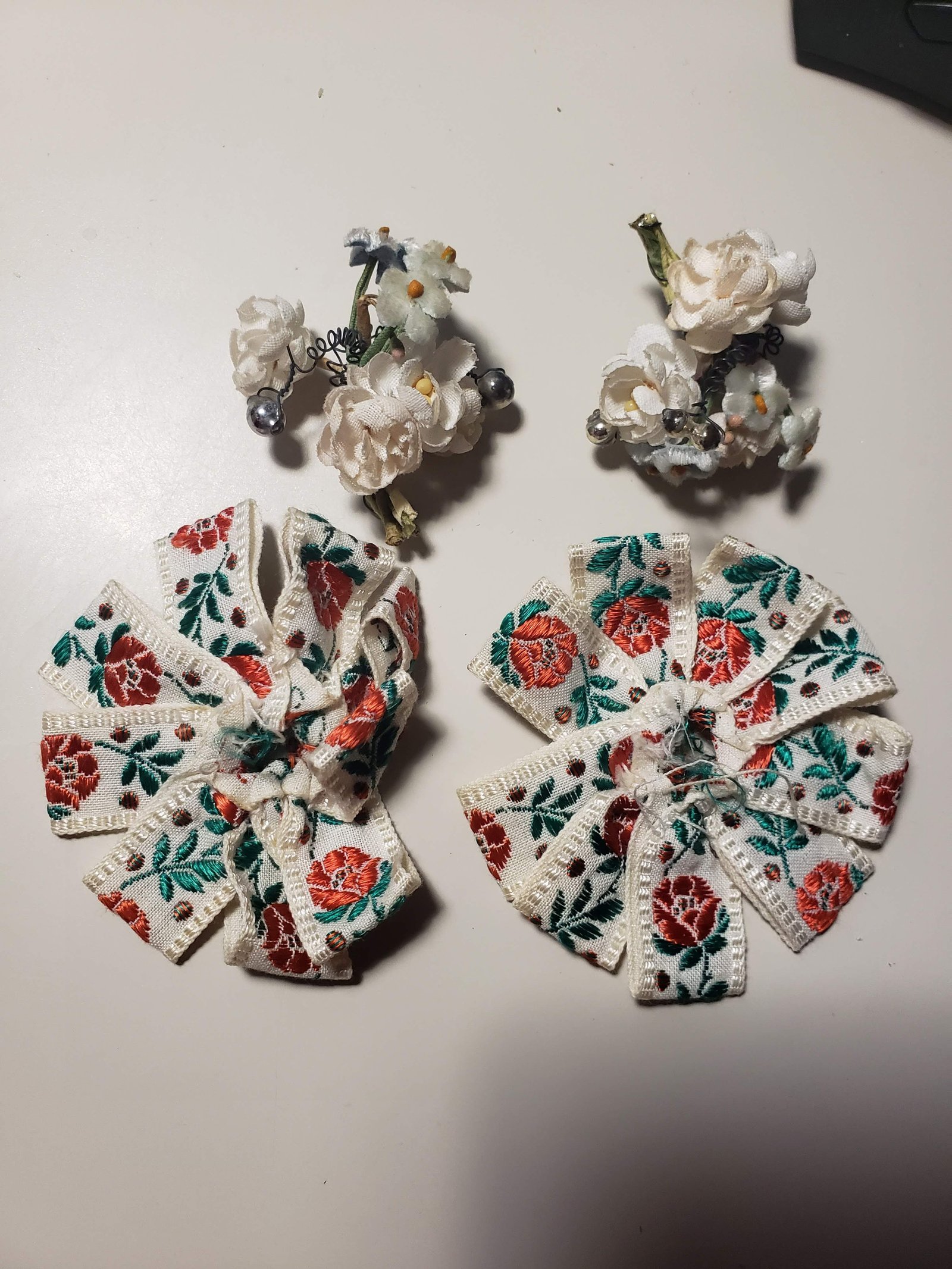
I carefully straightened and reshaped the slender wire stems on the headdress. These fragile stems support the beads, fabric flowers, foil accents, and feathers. After testing colourfastness in an inconspicuous area, I gently washed the lace, ribbons, and skirt.
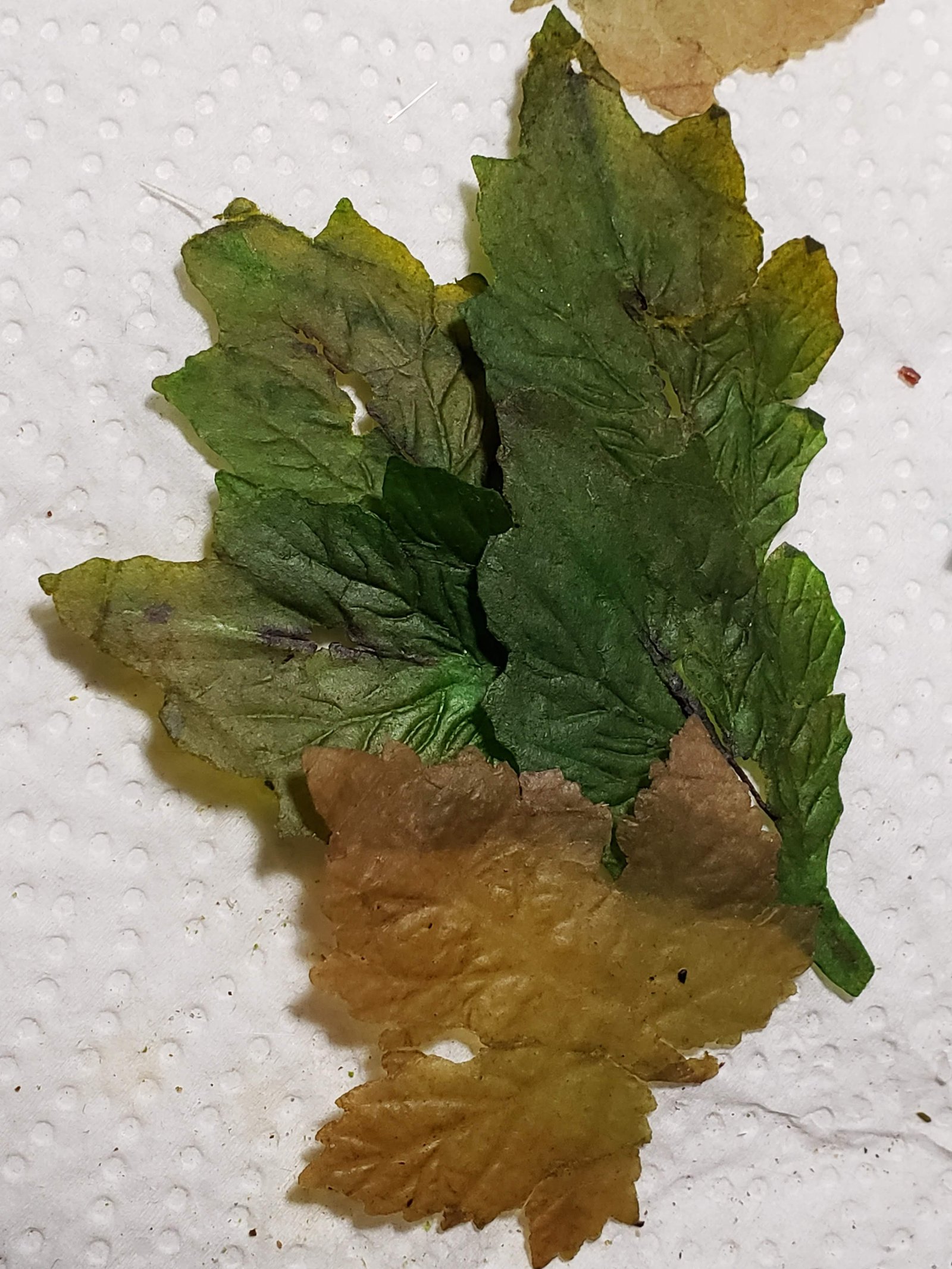
To protect the fragile materials, I avoided water. Instead, I used dry, controlled methods on the feathers, paper flowers, foil elements, and old adhesive joints.
In addition, I avoided direct sunlight. Ultraviolet light can quickly fade or damage textiles, artificial flowers, and ribbons.
During storage, I used neutral, acid-free paper and soft cotton fabric to support the skirt and headdress. I photographed every stage of the restoration from all angles. I paid particular attention to the floral headdress, the long ribbons at the back, and the decorative front panel.





This doll is a wonderful example of how a factory-made doll could become a small ethnographic portrait. More importantly, her elaborate headdress, lace, and richly layered silhouette reflect Slovácko traditions. In this cultural setting, folk dress served as a language of colour, status, craftsmanship, and celebration.


I am grateful to have been able to contribute, in a small way, to the preservation of this folk-art artifact.


